![Rove Lab™ [Canada]](http://rovelab.ca/cdn/shop/files/ffd50d6b335e43f560dde12ee492d89e_5.svg?v=1792150825)

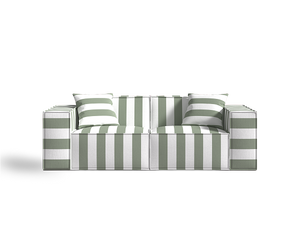
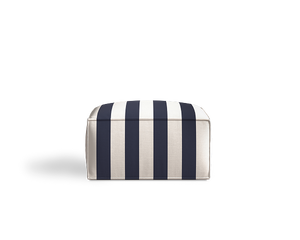
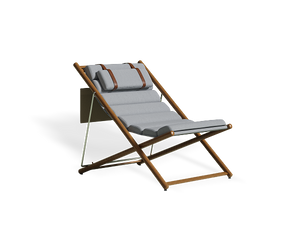
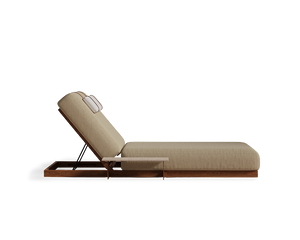

Accessorizing a living room is a bit like staging your personal theater. Your sofa, rugs, and lighting all play their part, supporting the main act—you and your lifestyle. The beauty of a well-accessorized space lies in how it reflects your personality while also providing comfort. So, what makes the ideal living room? Let's walk through the elements that can transform any room from bland to brilliant.
The role of color in your living room
Color is an accessory in itself. It can set the mood, create a sense of space, and even affect your emotions. Looking to create a calm oasis? Soft blues and greens might be your allies. Want a warm, intimate space? Warm tones like deep reds or browns can help you achieve that.
When choosing colors, think about the ambiance you want to give your living room. Light colors tend to enlarge the space, while darker shades can create a more intimate atmosphere. If you're the type who likes to change things up often, consider a neutral base for your larger pieces and add touches of color through accessories like cushions or throws.
Don't forget the ceiling! Often overlooked, painting the ceiling a slightly lighter shade than your walls can make the room appear taller. On the other hand, a bold ceiling color can add drama and depth.
Art and wall decor: more than just paintings
Think of your walls as a blank canvas awaiting your personal touch. Art and wall decor are excellent ways to express your style. Whether it's a large statement piece or a collection of smaller works, art adds character to your space.
Gallery walls are a popular choice for those who want to display a variety of pieces. You can mix and match art styles, frame types, and sizes. The key is to maintain balance. Lay out your arrangement on the floor first to see how it looks before hanging it on the wall.
Mirrors are another fantastic option for wall decor. Not only do they add style, but they can also enlarge and brighten a room by reflecting light. Plus, a well-placed mirror can be a last look before heading out.
Lighting: the underestimated accessory
Lighting is crucial for setting the atmosphere. You could have the most magnificent living room, but if it's poorly lit, it won't reach its full potential. Consider layering different types of lighting to create a versatile space.
Start with ambient lighting, such as ceiling fixtures or chandeliers. Then add task lighting for specific activities, like reading or working on a laptop. Table lamps or floor lamps in corners can provide this targeted light.
Accent lighting, like LED strips behind a TV or under shelves, can highlight specific areas or objects. Dimmers are a fantastic addition, offering control over the room's ambiance depending on the time of day or occasion.
Rug placement: more than just flooring
A rug can tie a room together, but placing it correctly is essential. The size and position of the rug can make or break the room's arrangement. Ideally, your rug should be large enough to tuck under all the furniture in a seating area, creating a unified space.
In smaller rooms, a rug that tucks just under the front legs of your furniture can still create a cohesive look. If your living room is part of an open-plan space, a large rug can help define the living area from the rest of the room.
Don't be afraid of patterns. A patterned rug can add interest and hide wear and tear better than a solid color. Just make sure it complements, rather than competes with, other patterns in the room.
Cushions and throws: the finishing touches
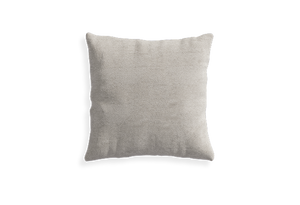
Cushions and throws are the cherry on top of your living room sundae. They offer a quick and easy way to refresh your space with new colors or patterns. Plus, they add comfort, making your sofa or armchair even more inviting.
Mix and match your cushions for a layered look. Play with different sizes, shapes, and textures. Velvet pairs well with linen, while geometric patterns can complement florals. The key is to maintain a common thread, like a color or theme, to tie them all together.
Throws can be draped over the back of a sofa or stacked in a basket for easy access. They are perfect for chilly evenings and can add a pop of color or texture to your seating area.
Furniture arrangement: a balancing act
Arranging your furniture is like choreographing a dance. Each piece should have its place, but there also needs to be flow and balance. Start by considering the room's focal point. This could be a fireplace, a large window, or your TV.
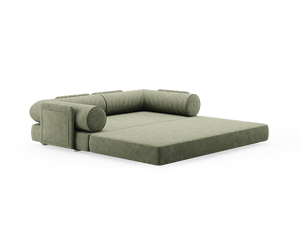
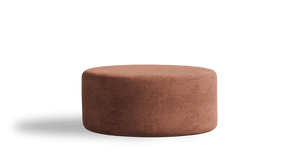
Once you've identified the focal point, arrange your seating around it. Make sure there's enough space between pieces for easy movement. In smaller rooms, furniture that serves multiple functions, like a sofa bed or storage ottoman, can be a real asset.
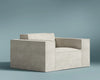
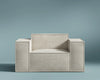
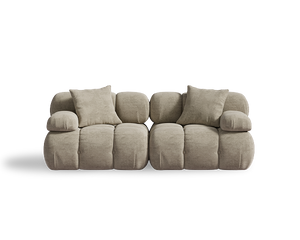
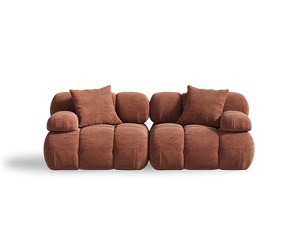
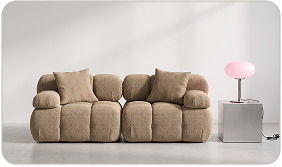
Don't forget the traffic flow. There should be clear paths to move around the room. In more compact spaces, consider furniture with a smaller footprint, such as Rove Lab's M1 Sofa Loveseat, which offers style without taking up too much space.
Plants: bringing life to your space
Plants are a great way to add life and color to your living room. They improve air quality and can reduce stress. Plus, they look beautiful! Consider your light conditions before choosing plants. Some, like succulents or snake plants, thrive in low light conditions, while others, like fiddle-leaf figs, need plenty of sun.
Mixing different types and sizes of plants adds depth and interest. Hanging plants, floor plants, and table plants all have their place. Use decorative pots to integrate them into your room's color scheme.
If you don't have a green thumb, artificial plants are a good alternative. They've come a long way in terms of realism and can provide the same aesthetic benefits without the maintenance.
Personal touches: make it your space
Your living room should reflect who you are. Personal touches like family photos, travel souvenirs, or cherished books make a space unique. Display these items on shelves, mantelpieces, or coffee tables.
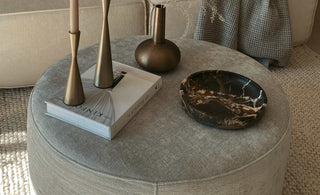
Books can be a great decorative element. Arrange them by color or size, and pair them with small objects or plants. Coffee table books with beautiful covers can be stacked for an elegant look.
Don't forget the quirky items that make you smile. Whether it's a vintage clock, a collection of vinyl records, or a whimsical statue, these pieces add character and give your space a lived-in feel.
Using modular furniture for flexibility
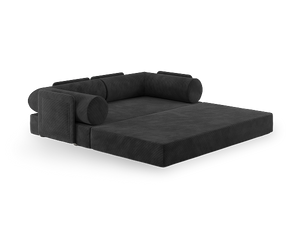
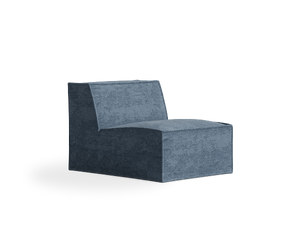
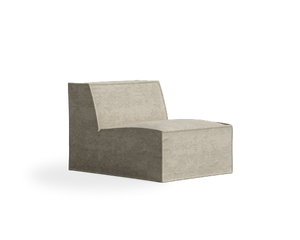
Modular furniture is a game-changer for those who like to switch things up. It offers flexibility and adaptability, allowing you to reconfigure your space as needed. This is especially useful in smaller rooms or if you move often.
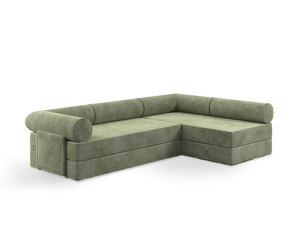
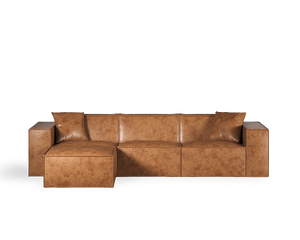
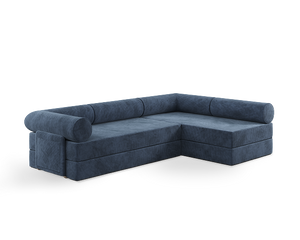
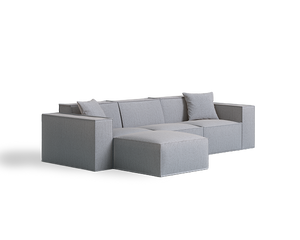
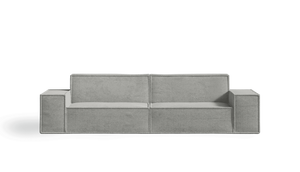
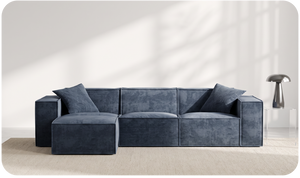
Consider Rove Lab's M1 Sectional Sofa. Its modular design means you can easily change the layout to suit your current needs. Whether you're hosting a gathering or just want a cozy evening, this sectional sofa adapts to you.
Modular furniture is not only practical but also stylish. It offers a clean, modern look that integrates well with most decor styles. Plus, they often come in smaller packages, making them easier to move through narrow doorways or up staircases.
Final thoughts
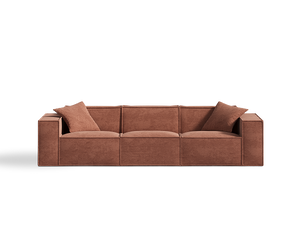
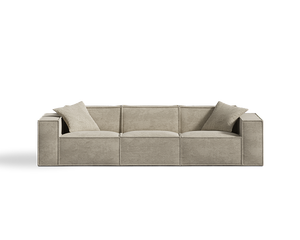
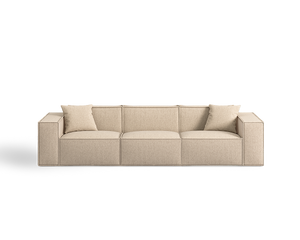
Accessorizing your living room is about creating a space that feels like home. From color and art to furniture arrangement and personal touches, every element should reflect your style and needs. When considering the best pieces for your space, Rove Lab's M1 Three Seater Sofa offers comfort and flexibility, fitting seamlessly into any decor while providing a comfortable spot to relax. With the right accessories, your living room can be both functional and fabulous, a true reflection of you.