![Rove Lab™ [Canada]](http://rovelab.ca/cdn/shop/files/ffd50d6b335e43f560dde12ee492d89e_5.svg?v=1792150825)







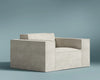
Hanging pictures in your living room might seem like a straightforward task, but getting it right can transform your space from merely comfortable to downright stylish. Whether you’re an art aficionado or just looking to display family photos, how you hang your pictures can make a huge difference. In this article, let’s explore some practical and creative ways to hang pictures in your living room, ensuring they harmoniously complement your furniture and décor.
Finding the Perfect Spot
Before you start hammering nails into the wall, take a moment to consider the overall layout of your living room. Think about where your eyes naturally fall when you walk into the room. This is often the ideal spot for your centerpiece. Above the sofa is a classic choice, but don't limit yourself. Consider other places like above the fireplace or near a window where natural light can enhance your art.
- Avoid placing pictures too high. A good rule of thumb is to hang art at eye level, which usually means the center of the piece should be about 57 to 60 inches from the floor.
- If you're working with a gallery wall, start by arranging your frames on the floor. This gives you the flexibility to play with different layouts without committing right away.
- Consider the scale of your artwork in relation to your furniture. A small picture over a large sofa might look lost, while a large piece can overwhelm a small loveseat.
Measuring for Success
Precision is key when it comes to hanging pictures, especially if you're aiming for a gallery wall or a specific symmetrical arrangement. So, how do you make sure everything's perfectly aligned?
- Use a measuring tape to mark out the exact spots where you plan to hang your frames. If you're creating a grid, ensure even spacing between each frame—about two to four inches is a good guideline.
- Step up your game with a spirit level. This tool is invaluable for making sure each picture hangs straight. Nobody wants a crooked masterpiece.
- If you're hanging multiple pieces, outline the entire arrangement on the wall using painter's tape. This way, you can stand back and visualize the final look before committing.
Choosing the Right Hardware
When it comes to hanging pictures, the right hardware can make all the difference. You don't want your prized art crashing down in the middle of a dinner party, do you? Here’s what to consider:
- For heavier pieces, ensure you use picture hooks or wall anchors designed to support the weight of your artwork. Ordinary nails might not cut it, especially if you're hanging on drywall.
- Consider the type of wall you're working with. Plaster, drywall, and brick each require different hanging techniques and hardware. For example, brick walls might need masonry nails or adhesive hooks.
- Don't forget earthquake putty if you live in an area prone to tremors. It helps secure your artwork to the wall, reducing the risk of it falling.
Balancing Your Composition
A well-balanced composition can transform a collection of pictures into a cohesive gallery wall. Here's how you can achieve that balance:
- Mix and match different frame styles and colors for an eclectic look. However, ensure there's a common element, like a consistent color palette, to tie everything together.
- Use larger pieces to anchor your gallery wall, then fill in with smaller pieces to create a sense of harmony.
- Consider the colors in each artwork. Aim for a blend of colors that complement your living room décor, avoiding clashing tones.
Lighting Matters
Lighting can make or break the presentation of your pictures. The right lighting enhances the details and colors in your artwork, while poor lighting can cast awkward shadows or dull the colors.
- Natural light is a great way to illuminate your pictures, but be cautious of direct sunlight, which can cause fading over time. Consider UV protective glass for your frames.
- Track lighting or picture lights are excellent options for highlighting art. They provide focused illumination without overwhelming the room.
- If you're using lamps, position them so they don't cast shadows on your pictures. A well-placed floor lamp can add ambiance while also showcasing your art.
Integrating Rove Lab Furniture
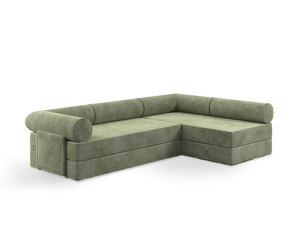
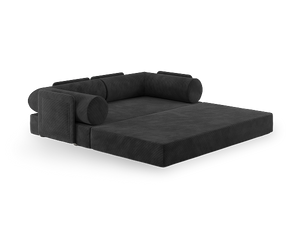
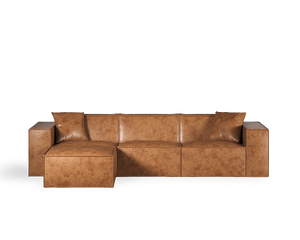
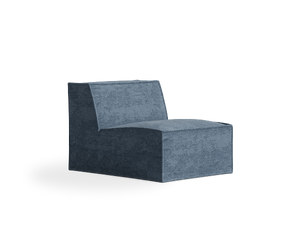
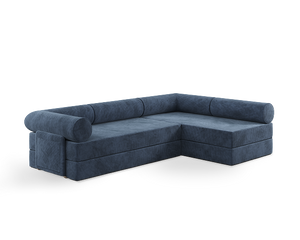
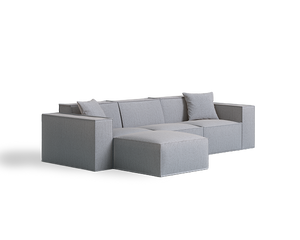
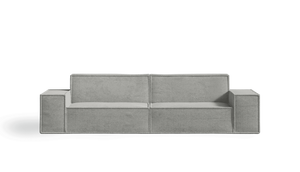
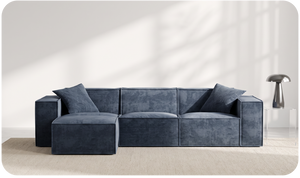
Our living room furniture can play a significant role in how we hang and display art. For instance, if you have the Rove Lab M1 Sectional Sofa, its minimalist design and low profile provide a fantastic backdrop for a bold art piece. You can also rearrange the modular sections to create a cozy nook specifically for displaying your favorite pieces.
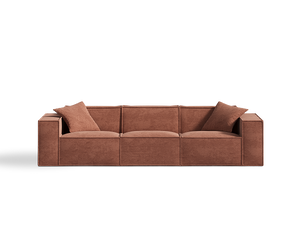
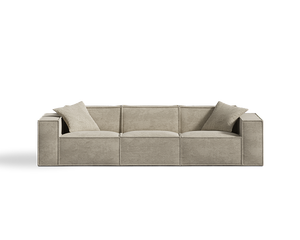
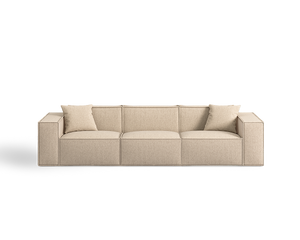
Alternatively, the M1 Three Seater Sofa offers a modern, clean look that pairs beautifully with a statement piece hung above. Its performance-woven fabric ensures your living room remains stylish without compromising on comfort. You can arrange your space to cater to both aesthetics and practicality, making your art the highlight of the room.
Thinking Outside the Frame
Who says you have to stick to traditional frames? Thinking outside the box can add personality and a unique flair to your living room.
- Consider using clipboards or binder clips to hang prints or photos. It's an inexpensive and creative way to showcase your art.
- Floating shelves allow you to display framed artwork alongside books or decorative objects for a layered look.
- For a more dynamic display, use washi tape to stick photos or small prints directly onto the wall. It's a temporary solution that allows you to change your display as often as inspiration strikes.
Seasonal Swaps
One of the joys of decorating is being able to change things up with the seasons. This applies to your wall art too!
- In spring, consider lighter, pastel-colored artworks that reflect the freshness of the season. In contrast, warm-toned pieces are perfect for autumn.
- To make art swapping easier, use picture ledges. They allow you to lean multiple frames against the wall, making changes as simple as rearranging a few pictures.
- Invest in a few versatile frames that can accommodate any print or photo. This way, you can easily change the art without having to deal with different frame sizes.
Maintaining Your Art
Once your pictures are hung, maintaining them ensures they look their best for years to come.
- Regularly dust frames to prevent accumulation. A microfiber cloth is perfect for this task as it won't scratch the glass.
- If your frames have glass, avoid cleaning them with ammonia-based products. Instead, use a cleaner specifically designed for glass to prevent streaks and damage.
- Periodically check the hanging hardware to ensure everything is secure. Over time, nails and hooks can loosen, especially in walls that experience vibrations.
Personalizing Your Space
Finally, remember that your living room is a reflection of you. Don't be afraid to personalize it with art that speaks to your tastes and experiences.
- Mix personal photos with artwork to create a gallery wall that is unique to you. This could be a blend of family photos, travel mementos, and prints from local artists.
- Consider creating a themed wall, such as a travel wall with maps and photos from your adventures.
- Don't be afraid to break the rules. Ultimately, it's your space, so let your personality shine through.
Final Thoughts
Hanging pictures in your living room can truly bring the space to life, adding character and warmth. By following these tips, you'll create a cohesive and inviting atmosphere that's uniquely yours. And while you're at it, consider the Rove Lab M1 Sectional Sofa as the perfect companion for your art-filled living room. Its modular design adapts to any layout, giving you the flexibility to change things up as your art collection grows.