![Rove Lab™ [Canada]](http://rovelab.ca/cdn/shop/files/rovelab_logo.svg?v=1781628572)



Mirrors have a magical way of transforming any living room. They're not just for checking your reflection; they can brighten up a space, make it feel larger, and add a touch of style. But hanging a mirror isn't as simple as hammering a nail into the wall. There's a bit of art and science involved. In this guide, we'll walk through the steps to hang a mirror that enhances your living room's aesthetic without the hassle of trial and error.
Consider the Size and Shape
First things first, the size and shape of your mirror can make or break the look you're going for. A large mirror can serve as an impressive focal point, while smaller mirrors work well for creating interesting visual patterns. Think about what you want to achieve.
- Rectangular Mirrors: These are classic and work well above mantels or behind sofas. They create a sense of stability and order.
- Round Mirrors: If you're aiming for a softer, more organic look, a round mirror can break up the linearity of a room.
- Group of Smaller Mirrors: These can add a playful or artistic touch, perfect for those who like to experiment with design.
Remember, the size of the mirror should complement your space. A mirror that's too large can be overwhelming, while one that's too small might look out of place. A good rule of thumb is to choose a mirror that's about two-thirds the size of the furniture piece it's hanging above.
Choose the Right Location
Where you hang your mirror can make all the difference. The right spot will reflect light and make your space feel more open.
- Opposite a Window: Hanging a mirror opposite a window maximizes natural light, making the room brighter and more spacious.
- Behind a Furniture Piece: A mirror above a sofa or console table can anchor the space.
- Eye-Level: Hang your mirror so that its center is at eye level, typically between 57 and 65 inches from the floor.
Avoid hanging mirrors in locations where they reflect clutter or busy patterns, as this can create visual chaos. Instead, aim for a placement that highlights the best features of the room.
Tools and Materials Needed
Before you begin, gather your tools and materials. Having everything on hand will make the process smoother and prevent mid-task interruptions.
- Tape measure
- Pencil
- Level
- Drill and drill bits
- Wall anchors
- Screws
- Screwdriver
- Stud finder
- Heavy-duty hooks or mirror clips
If your mirror is particularly heavy, consider using a French cleat. This will provide extra support and ensure your mirror stays securely in place.
Take Accurate Measurements
Measure twice, hang once. Accurate measurements can save you a lot of frustration. Here’s how to get it right:
- Measure the Mirror: Measure your mirror's height and width. If it's an asymmetrical shape, measure the widest and tallest points.
- Mark the Wall: Use a pencil to mark where the top of the mirror will go. Step back and check the placement to ensure it's where you want it.
- Find the Center: Use a level to draw a straight line both across the top and down from where the mirror will be hung.
These measurements will guide your hardware placement, ensuring everything aligns perfectly. Remember, precision is key to achieving a professional look.
Find the Right Hardware
The hardware you choose will depend on the weight of the mirror and the type of wall you're working with. Here's a quick guide:
- Drywall: Use wall anchors or a French cleat for heavier mirrors. For lighter mirrors, heavy-duty picture hooks may suffice.
- Plaster Walls: Look for wood studs to anchor your screws. If not possible, use hollow-wall anchors designed for plaster.
- Brick or Concrete: Masonry screws and anchors are your best bet here. Use a masonry drill bit to drill pilot holes for the anchors.
Always choose hardware that is rated for the weight of your mirror. Underestimating the weight can lead to accidents, so it's better to be safe than sorry.
Drilling and Installing Anchors
Now, let's get to the part that requires a bit of elbow grease. Drilling into the wall can be daunting, but with a steady hand and the right tools, it's totally doable.
- Drill the Holes: Using your pencil marks as a guide, drill pilot holes for the anchors. Make sure to use the correct size drill bit for your anchors.
- Insert Anchors: Gently tap the wall anchors into the holes with a hammer. They should fit snugly.
- Screw in Hooks or Clips: Attach your hooks or mirror clips to the anchors. Make sure they are secure before proceeding.
If you're using a French cleat, attach one part to the wall and the other to the back of the mirror. This method offers excellent support, especially for larger mirrors.
Hang the Mirror
With the hardware in place, it's time to hang your mirror. This is where a second pair of hands can be extremely helpful.
- Lift the Mirror: Carefully lift the mirror and align it with the hooks or clips.
- Secure the Mirror: Once in place, gently release it, ensuring it's securely held by the hardware.
- Check Alignment: Step back and use a level to make sure the mirror is perfectly aligned. Adjust as necessary.
Once you're happy with the placement, give yourself a pat on the back. Hanging a mirror can be a bit of a workout, both mentally and physically!
Decorate Around Your Mirror
Now that your mirror is in place, it's time to decorate the space around it. A mirror can be a design element, so play it up.
- Layer with Art: If your mirror is part of a gallery wall, mix in art pieces of varying sizes and textures.
- Position Furniture Thoughtfully: Arrange seating or tables to reflect in the mirror, enhancing the sense of space.
- Add Greenery: A plant or two can create a fresh, inviting look and reflect beautifully in the mirror.
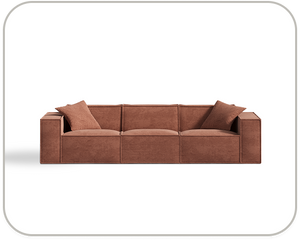
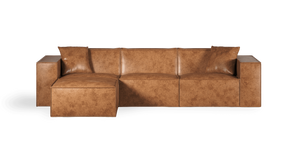
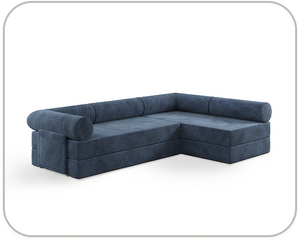
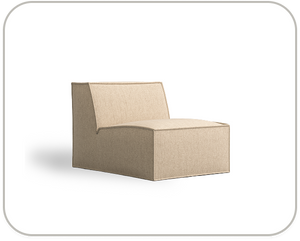
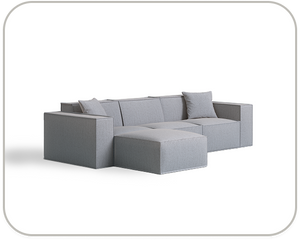
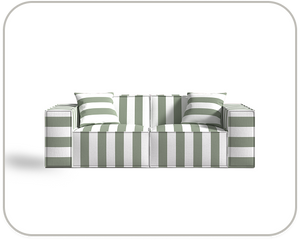
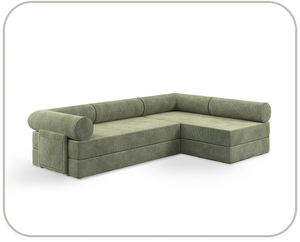
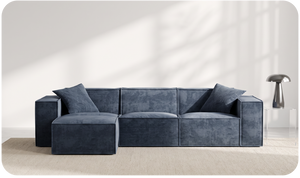
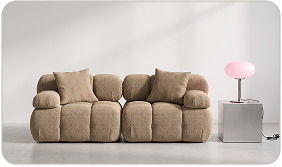
For those who love a modern and functional aesthetic, consider pairing your mirror with the M1 sofa sectional from Rove Lab. Its modular design complements the clean lines of a well-placed mirror, creating a cohesive look.
Keep Your Mirror Spotless
A beautiful mirror deserves to be spotless. Here’s how to maintain its shine:
- Use a Microfiber Cloth: Gently wipe your mirror with a microfiber cloth to remove dust and fingerprints.
- Avoid Harsh Cleaners: Opt for a mix of water and vinegar or a specialized glass cleaner.
- Polish with Newspaper: For a streak-free finish, polish the mirror with a crumpled piece of newspaper.
Regular maintenance will keep your mirror looking its best, reflecting light and beauty into your living room.
Dealing with Common Challenges
Even the best-laid plans can go awry. Here’s how to overcome some common mirror-hanging challenges:
- Uneven Walls: Adjust the hardware slightly to compensate for any unevenness in the wall.
- Heavy Mirrors: For particularly heavy mirrors, consider professional installation.
- Awkward Angles: If your mirror needs to be hung at an angle, adjustable mirror mounts can help.
Every space has its quirks, but with a bit of creativity and patience, you can overcome any obstacle and enjoy a beautifully hung mirror.
Final Thoughts
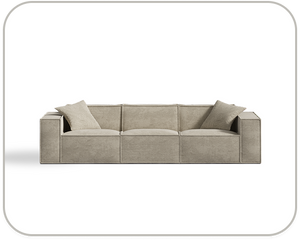
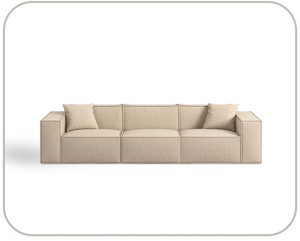
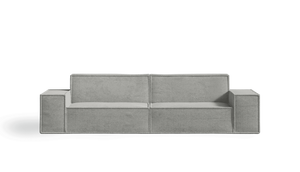
Hanging a mirror in your living room might seem like a daunting task, but with the right tools and a little planning, it’s totally achievable. From choosing the right size and placement to ensuring it's securely installed, each step contributes to transforming your space. If you’re looking for a piece to complement your newly hung mirror, consider the M1 three-seater sofa from Rove Lab. Its minimalist design harmonizes beautifully with any décor, making your living room both stylish and inviting.