![Rove Lab™ [Canada]](http://rovelab.ca/cdn/shop/files/ffd50d6b335e43f560dde12ee492d89e_5.svg?v=1792150825)









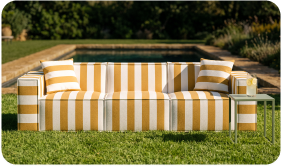

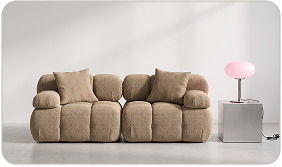
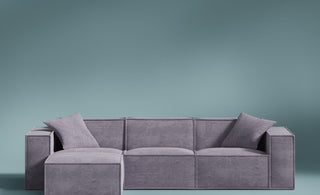
Color arrangement in interior design is more than just picking your favorite shades and hoping they blend well together. It's an art, a science, and sometimes a little bit of both. When you walk into a room where everything feels just right, where the colors sing in perfect harmony, that’s no accident. It’s the result of thoughtful choices and a solid understanding of color theory. Whether you’re sprucing up a small apartment or styling a new family home, understanding how to arrange colors can transform your space from drab to fab.
Why the Color Wheel Is Your Best Friend
The color wheel is more than just a circle of colors. It’s a tool for understanding how colors relate to each other. Created by Sir Isaac Newton in the 18th century, it remains one of the most useful tools for designers today. The wheel helps you understand primary, secondary, and tertiary colors, and how they interact.
- Primary Colors: Red, blue, and yellow. These are the building blocks for all other colors.
- Secondary Colors: Green, orange, and purple, created by mixing primary colors.
- Tertiary Colors: A mix of primary and secondary colors, like red-orange or blue-green.
By using the color wheel, you can create color schemes that are pleasing to the eye. For instance, analogous colors (those next to each other on the wheel) create harmony, while complementary colors (opposite on the wheel) add vibrant contrast. Understanding this relationship can help you decide between bold contrasts or gentle blends in your décor.
Choosing a Color Palette: The Basics
Picking a color palette isn't just about what looks pretty. It's about what feels right for your space. Here are a few popular schemes to consider:
- Monochromatic: This scheme uses different shades and tints of a single color. It’s simple and sophisticated, great for minimalist spaces.
- Analogous: This involves three colors next to each other on the color wheel, creating a serene and comfortable design.
- Complementary: This uses two colors opposite each other on the wheel. It’s bold and creates high contrast, perfect for accents.
- Triadic: This uses three colors that are equally spaced on the wheel. It's vibrant and balanced, great for a dynamic space.
Choosing a color palette sets the stage for your decorating journey. It guides your choices, from paint colors to accent pieces, ensuring everything works together cohesively.
The Role of Neutrals
Neutrals are the unsung heroes of interior design. They provide a backdrop that supports other colors and elements in a room. Think of them as the canvas on which you paint your color story.
Neutrals like beige, gray, and white are versatile, offering balance and tranquility. They can make a room feel open and airy or warm and intimate. A neutral base allows for flexibility. Want to add a pop of color? Easy. Just swap out your accessories or throw pillows. Neutrals are like a chameleon—they transform and adapt to your decorating whims.
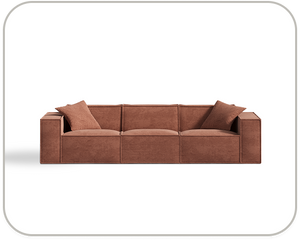
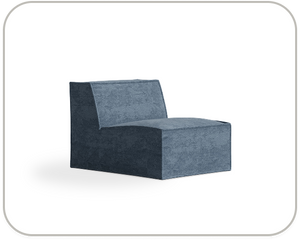
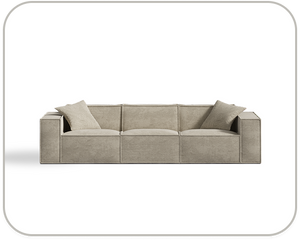
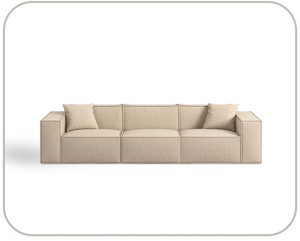
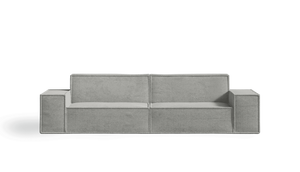
Incorporating neutrals doesn’t mean your space will be boring. It’s about creating a balanced palette where the eye can rest. For example, if you have a vibrant sofa, surrounding it with neutral walls can keep the room from feeling overwhelming. Speaking of furniture, if you are considering a new piece, the M1 Sofa Three Seater from Rove Lab in a neutral shade can serve as a versatile centerpiece in any room.
Understanding Light’s Impact
Light can drastically alter how a color appears in your home. A shade that looks perfect in the store might look completely different under your living room lighting. Natural light varies throughout the day, affecting how colors look.
- Morning Light: Tends to be cooler and bluer, which can make colors appear more subdued.
- Afternoon Light: Warmer and more direct, this can intensify colors.
- Artificial Light: Incandescent bulbs add warmth, while LEDs can vary widely based on their color temperature.
Before committing to a color, observe how it looks in your space at different times of the day. You might find that a color you loved at noon feels less appealing in the evening glow.
Playing with Textures and Patterns
Colors aren't the only elements that make a room pop. Textures and patterns add depth and interest, creating layers that draw you in. Mixing textures—like a plush velvet sofa paired with a sleek metal lamp—can create a dynamic and inviting space.
Patterns can also enhance your color scheme. They introduce a layer of complexity, making a color palette more engaging. For instance, a geometric rug with a complementary color scheme can tie together disparate elements in a room. The key is balance. Don't overcrowd a room with too many competing patterns or textures. Let them complement each other, creating harmony.
The Power of Accent Colors
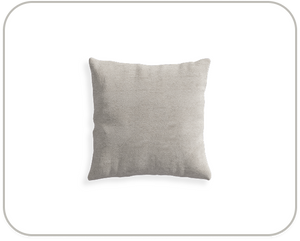
Accent colors are like the jewelry of your home—they can elevate a space and add personality. A well-placed accent color can draw attention to a specific area or feature. Think of a vibrant piece of art, a bright throw pillow, or a decorative vase.
When choosing accent colors, consider the mood you want to create. Warm colors like red and orange are energizing, perfect for social spaces like living rooms. Cool colors like blue and green are calming, ideal for bedrooms or bathrooms.
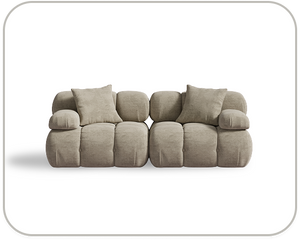
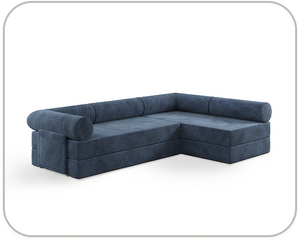
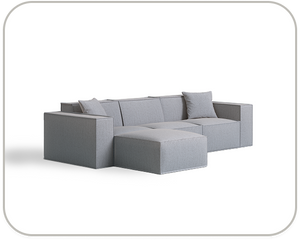
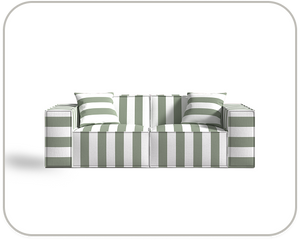
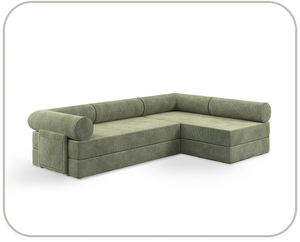
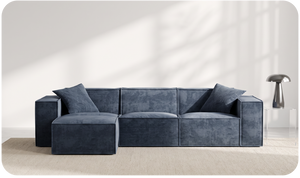
To keep things cohesive, limit your accent colors to one or two per room. This ensures they enhance rather than overwhelm your main color palette. If you’re looking for a piece that can incorporate an accent color naturally, the M1 Sofa Sectional from Rove Lab offers a modular design that allows for creative color play with cushions and throws.
Balancing Bold and Subtle
Finding the right balance between bold and subtle colors can make or break a room. A bold color, such as a deep emerald green or a rich navy blue, can serve as a striking focal point. But too much boldness can be overwhelming. It’s about knowing when to go all in and when to hold back.
If you have a bold wall color, perhaps balance it with more subdued furniture. Alternatively, if you keep the walls neutral, then bold furniture pieces or artwork can make a statement. Think of it as a dance between colors—each should know its role and when to take the lead.
For those who move frequently or enjoy changing their space, modular furniture like the M1 Sofa Sectional from Rove Lab can help you adapt your color palette to new environments seamlessly. Its flexibility allows you to easily switch out your accent pieces and colors.
Personalizing Your Color Choices
Ultimately, your home is a reflection of you. While trends and theories are helpful, don’t forget to inject your personality into your space. Love a particular shade? Find a way to incorporate it. Your home should tell your story.
Consider pieces that speak to you or have sentimental value. Perhaps it’s a painting from your travels or a vintage lamp passed down through the family. These elements can guide your color choices and create a space that is uniquely yours.
Remember, the goal is to create a space where you feel comfortable and inspired. Whether that’s a cozy corner with a beloved book collection or a lively living room for entertaining, your color choices should support and enhance how you live in your space.
Final Thoughts
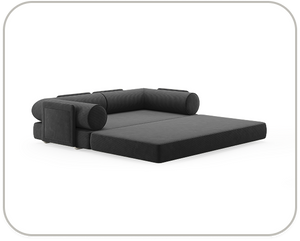
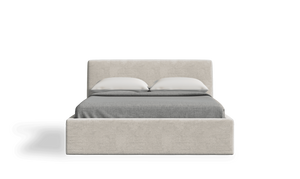
Choosing the right colors for your home is both an art and a personal journey. It’s about finding that sweet spot where style meets comfort and personality. When in doubt, remember that neutrals are your friends, the color wheel is a helpful guide, and light plays a crucial role in how colors appear. Whether you’re just starting out or revamping your space, pieces like the O2 Bed from Rove Lab provide a flexible and stylish foundation that supports whatever color palette you choose. Happy decorating!