![Rove Lab™ [Canada]](http://rovelab.ca/cdn/shop/files/ffd50d6b335e43f560dde12ee492d89e_5.svg?v=1792150825)





Color is like the secret sauce of a living room. It can define the mood, delineate space, and even make your furniture pop. Whether you're decorating your first apartment or you're a seasoned pro looking to refresh your space, understanding how to put colors together in your living room can transform how you feel about your home. Let's break this down into manageable steps that will leave you feeling like a color-combining maestro.
Understanding the Color Wheel
The color wheel is a handy tool, even if you haven't seen one since art class. At its core, it's all about relationships—how colors complement, contrast, or clash with each other. Here’s a quick rundown:
- Primary Colors: Red, blue, and yellow. These are the building blocks for all other colors.
- Secondary Colors: Green, orange, and purple, created by mixing primary colors.
- Tertiary Colors: These are mixes of primary and secondary colors, like red-orange or blue-green.
Understanding these basic relationships helps you create a cohesive palette. For example, using complementary colors (those opposite each other on the wheel, like blue and orange) can give a space a dynamic, vibrant feel. On the other hand, analogous colors (those next to each other, like blue and green) offer a more serene vibe.
The Psychology of Colors
Colors can influence mood and perception, which is why choosing the right ones for your living room is important. Here’s a quick guide:
- Red: Energetic and attention-grabbing, but too much can be overwhelming. Use it sparingly or as an accent.
- Blue: Calming and serene, perfect for creating a relaxing environment.
- Yellow: Welcoming and cheerful, though too much can be jarring. Best used as a highlight.
- Green: Refreshing and balancing, often associated with growth and harmony.
- Gray: Neutral and versatile, gray can act as a backdrop for brighter colors or stand on its own for a minimalist look.
Think about how you want to feel in your living room. If you’re looking for a relaxing retreat, opt for cool tones like blues and greens. If you want a space that energizes, warmer tones like reds and oranges might be your go-to.
Neutrals—The Unsung Heroes
Neutrals are the backbone of any versatile color scheme. They provide balance and can make other colors pop. Here’s why they’re essential:
Neutral colors like whites, beiges, and grays provide a calming effect and can make a room feel larger and more open. They work wonders in small spaces and apartments where you might not have a lot of natural light. Plus, they offer a fantastic backdrop for bold accent colors.
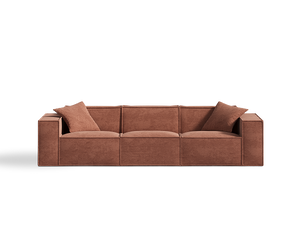
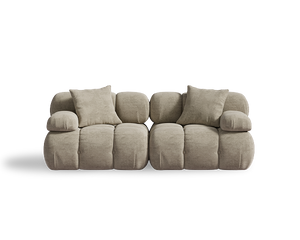
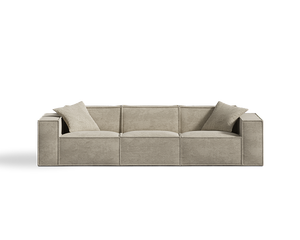
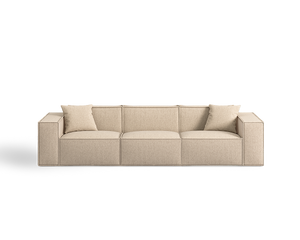
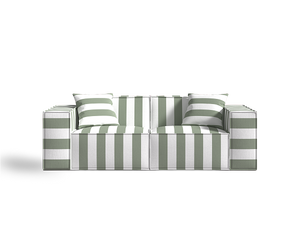
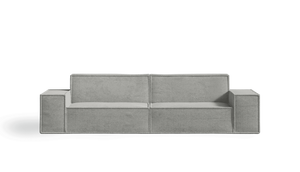
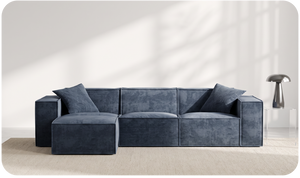
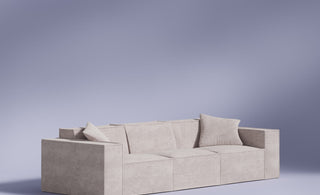
Consider using a neutral color for your walls or larger furniture pieces. This gives you the freedom to play with accent colors through accessories like throw pillows, rugs, and artwork. For instance, a Rove Lab M1 Three-Seater Sofa in a neutral tone can become the perfect canvas for colorful throws and cushions.
Choosing a Color Scheme
Now that you have a good understanding of the basics, it's time to pick a color scheme. Here are some of the most popular ones to consider:
- Monochromatic: This involves different shades of the same color. It’s an elegant, modern look that’s easy to achieve. Think shades of blue, from navy to sky, for a soothing effect.
- Complementary: Use colors opposite each other on the color wheel for a bold statement. Blue and orange, anyone?
- Analogous: These are colors next to each other on the wheel. They blend well, offering a naturally harmonious look, such as green, blue, and turquoise.
Once you’ve chosen a scheme, use it consistently throughout the space. This doesn’t mean everything has to perfectly match, but rather that the colors should feel deliberate and cohesive.
Balancing Boldness with Subtlety
Ever heard of the 60-30-10 rule? It’s a simple way to balance colors in your living room:
- 60%: Your dominant color should cover the majority of the room. This is usually a neutral shade like a soft gray or delicate beige.
- 30%: Your secondary color supports the main color but shouldn't overpower it. This could be the color of your furniture or an accent wall.
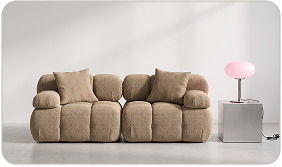
- 10%: Accent color. This is where you can have fun with bold hues through throw pillows, artwork, or a funky lamp.
This rule helps create a balanced and visually appealing space without feeling chaotic or cluttered. It's like a recipe—once you have the right proportions, everything comes together beautifully.
Textures and Patterns
Colors aren’t the only heroes in your living room design; textures and patterns bring depth and interest. Here’s how to incorporate them like a pro:
Mixing different materials—like the ruggedness of a leather chair against the softness of a wool throw—can add dimension. Patterns, whether striped, floral, or geometric, introduce variety. Remember, a little goes a long way. Choose one or two patterns to focus on; too many can overwhelm the space.
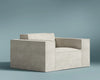
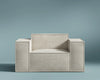
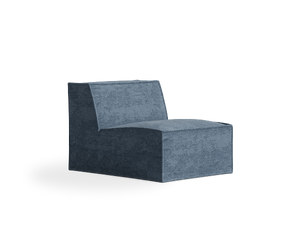
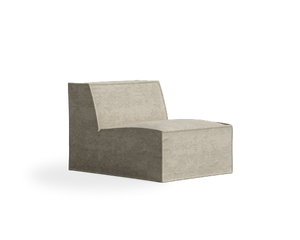
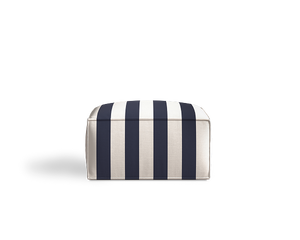
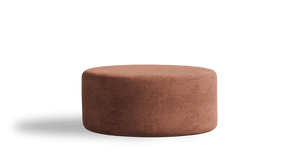
Consider incorporating a striking piece like an M1 Ottoman Sofa Seat for an extra layer of texture. Its vegan performance weave adds both comfort and style, making it a perfect addition to any living room décor.
Lighting—The Unsung Color Enhancer
Lighting can completely change how colors appear in your living room. Natural light is ideal, but not all spaces are blessed with an abundance of it. Here’s how to work with what you have:
- Natural Light: Consider the time of day and how sunlight affects your room. Morning light is cooler, while afternoon light tends to warm things up.
- Artificial Light: Use a mix of ambient, task, and accent lighting to create a well-lit space. Warm light bulbs bring out the warmth in colors, while cool bulbs can enhance blues and greens.
Remember, lighting isn’t just about functionality; it’s also about setting a mood and enhancing colors. A well-lit room can make even the simplest color palette look luxurious.
Personal Touches
Your living room should feel like you. Injecting personality through color is one of the easiest ways to do this. Here are some ideas:
- Art and Décor: Choose pieces that resonate with you. Art can serve as a focal point and dictate the room's color scheme.
- Plants: They add a touch of green and a sense of vitality to any room.
- Sentimental Objects: Incorporate items that hold personal meaning, whether it's a family heirloom or a travel memento.
These personal touches add character and warmth, making your living room not just a space to live in, but a space to love.
Flexibility and Experimentation
Don't be afraid to experiment with your living room colors. Flexibility is key, especially if your tastes evolve or if you want to keep up with seasonal trends. Here’s how to keep things fresh:
- Swap out throw pillows and blankets for an instant update.
- Rearrange art pieces to create new focal points.
- Change your rug to introduce a new pattern or texture.
Remember, nothing is permanent. Your home should evolve with you, and sometimes all it takes is a fresh perspective to fall in love with your space all over again.
Final Thoughts
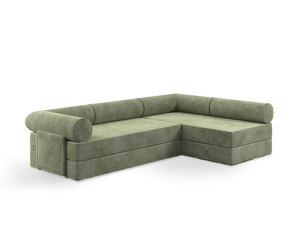
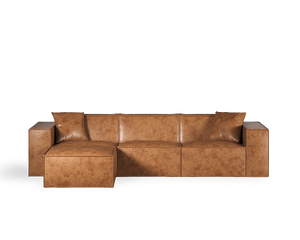
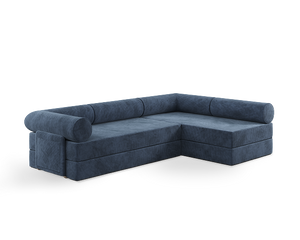
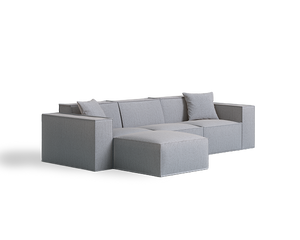
Putting colors together in your living room is about finding a balance that works for you. It's about creating a space that not only looks beautiful but also feels amazing to be in. If you're considering an update, think about incorporating versatile pieces like the Rove Lab M1 Sectional Sofa. Its modular design allows you to adapt your layout as your style evolves, making it the perfect companion for your home décor journey.