![Rove Lab™ [Canada]](http://rovelab.ca/cdn/shop/files/ffd50d6b335e43f560dde12ee492d89e_5.svg?v=1792150825)










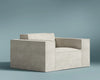
Coordinating fabrics in interior design is like conducting a symphony. Each piece plays its part, creating a harmonious blend that elevates your space from ordinary to extraordinary. Whether you’re a new homeowner settling into a cozy apartment or a busy professional looking to refresh your living room, choosing the right fabrics can make all the difference. In this article, we'll cover everything from mixing patterns and textures to balancing color palettes, ensuring your home looks cohesive and stylish.
Mixing Patterns Without the Headache
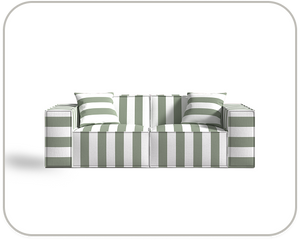
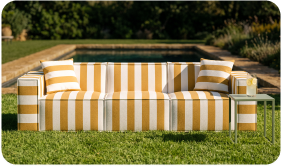
Mixing patterns might seem like an art reserved for the daring, but with a few guidelines, anyone can master it. The trick is to find a balance between complexity and simplicity. Start by choosing a dominant pattern—this could be a bold geometric print or a floral that catches your eye. Once you have your anchor, add a secondary pattern that complements rather than competes. Think stripes or polka dots that pick up on a color or shape from the dominant pattern.
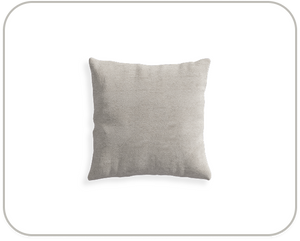
Remember, scale matters. Pair a large-scale pattern with a smaller one to prevent overwhelming the space. For example, if you have a large floral print on your sofa, consider a small-scale herringbone or a subtle check for your throw pillows. This variation keeps things interesting without becoming chaotic.
To tie everything together, incorporate a solid color that complements both patterns. This could be a neutral or a shade pulled directly from your dominant print. It acts as a visual resting point and helps to unify the look. If you’re nervous about making bold choices, start small. Throw pillows or a single accent chair upholstered in a daring pattern can add interest without committing your entire room.
The Texture Talk
Texture adds depth and dimension, making a space feel welcoming and inviting. Combining different textures can transform a flat, uninspired room into an intriguing and captivating one. Consider layering soft, plush fabrics like velvet or chenille with rougher materials such as linen or jute. This contrast not only adds interest but also enhances the tactile experience of your home.
Think about where you want to draw the eye. A velvet sofa, for instance, can become a focal point, especially when paired with a sleek glass coffee table or metallic accents. On the other hand, if you want to keep things understated, opt for a textured rug or throw blanket. These subtle touches can ground a room without stealing the show.
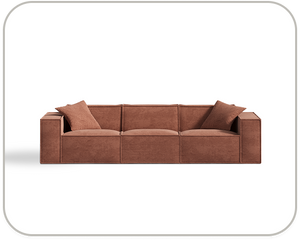
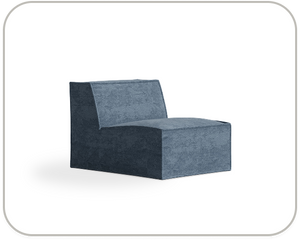
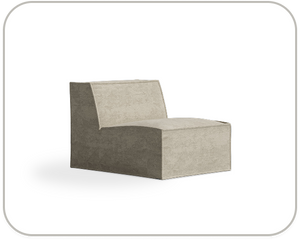
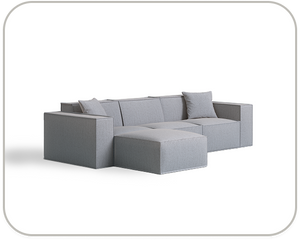
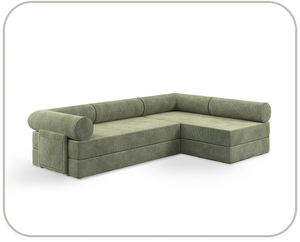
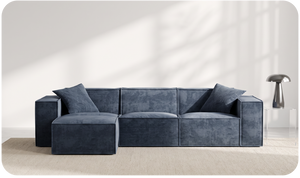
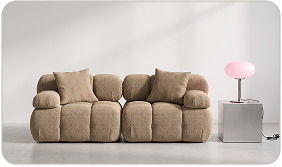
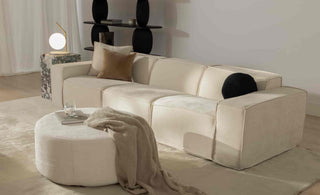
Rove Lab offers pieces like the M1 Sofa Sectional, which features a stain-resistant fabric combining durability with a soft hand. Its smart, adaptable design makes it easy to integrate into various décor styles, offering both texture and versatility.
Color Coordination 101
Color is the bedrock of any well-designed room. It sets the mood and can even influence how spacious or intimate a place feels. To coordinate colors effectively, start with a base color that reflects your personal style. Neutrals like gray, beige, or white are popular for their adaptability, but don't shy away from bolder choices if they speak to you.
Once your base is established, choose two or three complementary colors to accent your space. These can be introduced through smaller fabric elements like curtains, throw pillows, or even an accent chair. When selecting these accents, consider the color wheel. Colors opposite each other, like blue and orange, create high contrast and energy, while those next to each other offer a more subtle, harmonious look.
For those who love the idea of a monochromatic palette, varying the shades of a single color can add sophistication and depth. Think about different hues of blue—from sky to navy—layered throughout the room. This approach offers cohesiveness while still maintaining interest.
Balancing Light and Dark
Balancing light and dark fabrics is crucial for creating a room that feels both dynamic and comfortable. Too much lightness can feel stark and clinical, while an overload of dark tones can make a room feel cramped and uninviting. The key is to find a happy medium that works for your space.
Start by assessing the natural light in your room. If you have plenty of daylight, you can afford to incorporate more dark fabrics, such as a deep charcoal sofa or navy curtains. Conversely, a room with limited light might benefit from lighter fabrics to keep it feeling airy and open.
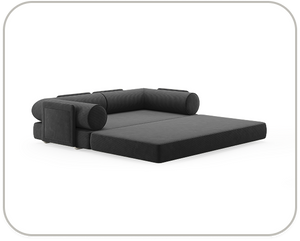
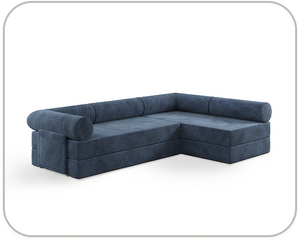
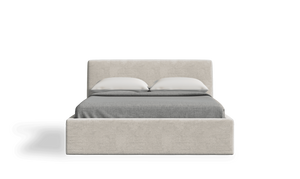
Don’t be afraid to mix light and dark within the same element. A light-colored sofa with dark throw pillows, or vice versa, can create a striking contrast that adds depth. Consider Rove Lab’s O2 Bed, which features a light and minimalist design perfect for balancing darker accents in a bedroom.
Playing with Scale
Scale is another important factor when coordinating fabrics. This concept refers to the size of patterns and how they relate to each other within a space. Mixing different scales can create a balanced and visually appealing environment.
Begin with a large-scale pattern as your centerpiece. This could be a rug, a large piece of art, or a bold-patterned sofa. Then, introduce smaller-scale patterns on throw pillows, curtains, or accessories. The key is to ensure that the scales of your patterns don't clash. A small polka dot paired with a large floral can complement each other, while two large patterns might compete for attention.
Remember to consider the size of your room. Smaller spaces benefit from large patterns that can make them appear more expansive, while large patterns in a big room can add coziness and intimacy. Balancing scale is about experimentation, so don't be afraid to try different combinations until you find what works for you.
Incorporating Seasonal Fabrics
Seasonal changes offer an excellent opportunity to refresh your home with fabrics that reflect the time of year. In winter, think warm, cozy fabrics: rich velvets, wool throws, and soft, textured cushions. Summer invites lighter, airier fabrics like cotton, linen, and even light silks.
Changing fabrics with the seasons doesn't mean a complete overhaul. Small changes, like swapping out your throw pillows or adding a seasonal blanket, can make a big impact. Consider lighter colors and breezy fabrics during warmer months to keep your space feeling fresh and inviting, while richer textures and deeper hues can add warmth and comfort as the temperature drops.
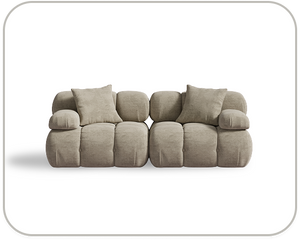
Rove Lab’s M1 Sofa Loveseat is versatile enough to adapt to these seasonal shifts. Its durable, stain-resistant fabric can handle the demands of everyday life while allowing you to switch out accessories and accents to match the mood of the season.
Using Neutrals as a Foundation
Neutrals often get a bad rap for being boring, but they are the unsung heroes of fabric coordination. They provide a calm, cohesive backdrop that allows other elements in the room to shine. Think of neutrals as the canvas upon which you can paint your interior masterpiece.
Start by selecting a neutral base for larger pieces like sofas, beds, or curtains. Shades like beige, gray, taupe, or off-white work well because they are versatile and timeless. From there, you can layer in pops of color and pattern through smaller decor items, creating a dynamic yet cohesive look.
One of the benefits of using neutrals is their ability to adapt to changing styles. As trends evolve, you can easily refresh your space by swapping out accessories rather than investing in new furniture. This flexibility makes neutrals a smart choice for anyone looking to create a lasting and adaptable design.
Personalizing Your Space
While guidelines are helpful, personalizing your space with fabrics is about expressing your unique style. Don't be afraid to break the rules if it means achieving a look that speaks to you. Perhaps you love the idea of a maximalist approach with bold colors and patterns clashing in delightful harmony, or maybe a minimalist aesthetic with subtle, understated fabrics calls to you.
Your home should reflect who you are and how you live. Use fabrics to bring in elements of your personality, whether it's through a cherished family quilt, a funky vintage chair, or custom-made pillows in your favorite color. These personal touches make your space uniquely yours and can often become conversation starters when entertaining guests.
Ultimately, there is no one-size-fits-all approach to coordinating fabrics. It's about experimenting, taking risks, and finding what works for you. Embrace the process and enjoy the journey of creating a home that feels like your own personal sanctuary.
Final Thoughts
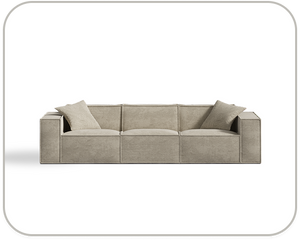
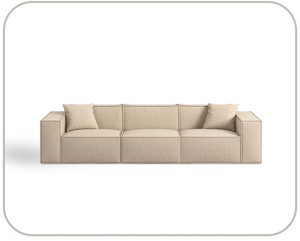
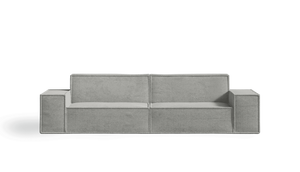
Coordinating fabrics in interior design is as much about personal expression as it is about design principles. By understanding the basics of mixing patterns, textures, and colors, you can create a space that feels both cohesive and uniquely yours. Consider incorporating pieces like Rove Lab’s M1 Three Seater Sofa, which provides a versatile foundation for experimenting with different fabrics and styles. Remember, the best interiors are those that evolve over time, reflecting changes in your life and style.