![Rove Lab™ [Canada]](http://rovelab.ca/cdn/shop/files/ffd50d6b335e43f560dde12ee492d89e_5.svg?v=1792150825)














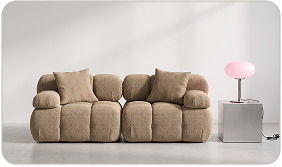
Color is one of those elements that can make or break a living room. It has the power to energize, soothe, or even inspire creativity. Designing a colorful living room isn't just about splashing paint on the walls; it's about creating a space that feels alive and reflects your personality. Whether you're a young professional, a first-time homeowner, or someone living in a cozy city apartment, the right colors can transform your living space into a vibrant sanctuary.
Start with a Solid Foundation
Before diving headfirst into a sea of vibrant hues, it’s important to establish a solid foundation. This means choosing a neutral backdrop that allows your colors to pop without overwhelming the space. Think of it as a blank canvas. Neutral walls and flooring can serve as a grounding base for your colorful accents, allowing them to stand out.
Consider shades like soft whites, light grays, or beiges for your walls and floors. These colors are not only timeless but also versatile. They help your chosen accents truly shine, making them the star of the show. If you’re worried a neutral base might feel too bland, remember that texture can add depth. A plush cream rug or a light gray fabric sofa can bring warmth and interest without stealing the spotlight.
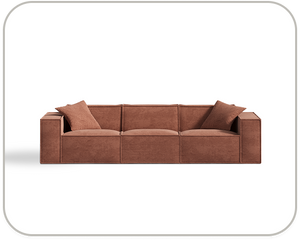
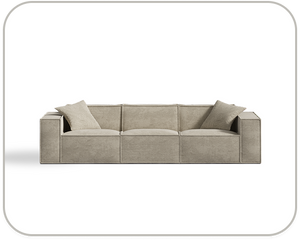
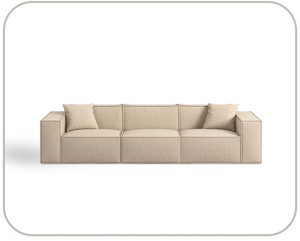
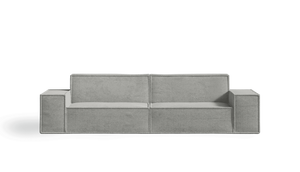
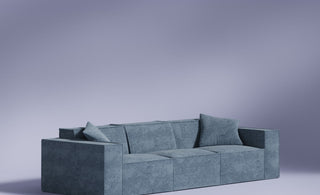
Speaking of sofas, the M1 Three-Seater Sofa by Rove Lab could be a great choice. Its minimalist design and vegan performance mesh fabric provide a perfect foundation for layering colorful pillows or throws. Plus, its stain-proof nature ensures your vibrant lifestyle won't lead to unwanted blemishes.
Choose a Color Palette That Speaks to You
Once you have your neutral foundation, it’s time to choose a color palette. This is where your personality comes into play. Are you drawn to bold, daring hues, or do you prefer something more subdued? Your palette will guide your choices for furniture, decor, and even artwork.
A good rule of thumb is to pick three main colors: a dominant one that covers about 60% of the room, a secondary color for 30%, and an accent color for the remaining 10%. For example, you might choose a calming blue as your dominant color, with pops of sunny yellow and rich teal as your secondary and accent colors. This approach helps maintain balance and cohesion in the room.
If you're feeling overwhelmed, try drawing inspiration from a favorite piece of art or a beloved fabric. Often, these items come with ready-made palettes that can guide your choices. Choosing colors that naturally work together ensures your living room feels cohesive and well-thought-out.
Play with Patterns and Textures
Color isn’t the only tool in your arsenal for creating a vibrant living room. Patterns and textures can add depth and interest, preventing the space from feeling flat. Mixing different materials and motifs allows you to create visual intrigue without relying solely on bold colors.
Think about incorporating various textures through textiles like pillows, curtains, and rugs. A velvet throw pillow in a rich jewel tone can add a touch of luxury, while a woven throw can bring a bohemian vibe. The key is to mix and match without overwhelming the space. Stick to your color palette and play with different materials in those hues.
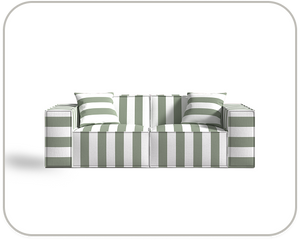
Patterns can be another fun way to introduce color. Consider geometric patterns for a modern feel or florals for something more classic. Just make sure your patterns complement each other rather than compete. A good trick is to vary the scale of your patterns—pair large-scale patterns with smaller ones to keep things balanced.
Incorporate Statement Furniture Pieces
Statement furniture pieces can serve as focal points in your colorful living room. These pieces draw the eye and anchor the space, making it feel intentional and curated. When choosing statement furniture, consider bold colors or unique designs that reflect your style.
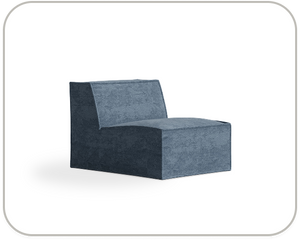
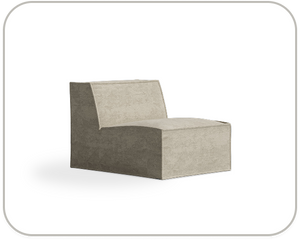
A bright armchair or a vibrant ottoman can serve as a wonderful accent piece. For instance, an ottoman like the M1 Sofa Ottoman by Rove Lab could be a perfect choice. Its minimalist design and stain-proof fabric make it a practical yet stylish addition, providing a pop of color without overwhelming the room.
Remember, statement furniture should feel like a natural part of your living room, not an afterthought. Balance these pieces with more subdued elements to maintain harmony. If your sofa is your statement piece, keep your accent tables and shelves more neutral, allowing your sofa to take center stage.
Layer with Art and Accessories
Once your main furniture pieces are in place, it’s time to layer with art and accessories. These elements are the finishing touches that bring your living room to life, adding personality and flair. From wall art to decorative objects, these items offer opportunities to integrate your chosen colors.
Art is a fantastic way to introduce color and can even serve as a starting point for your palette. Large canvases or framed prints can become focal points, while smaller pieces can fill gaps and add interest. When selecting art, choose pieces that resonate with you emotionally—this could be a vibrant abstract or a serene landscape.
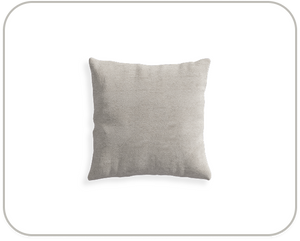
Accessories like vases, throw pillows, and blankets offer another layer of color and texture. These items are also easier to swap out, allowing you to refresh the room seasonally or as your tastes evolve. Consider ceramic vases in bold hues or patterned pillows that tie into your overall color scheme. The key is to have fun and let your personality shine through.
Consider the Impact of Lighting
Lighting plays a crucial role in how colors appear in your living room. The right lighting can enhance your chosen hues, while poor lighting can make them fall flat. Understanding the impact of both natural and artificial light will help you make informed decisions about your color choices.
Natural light changes throughout the day, affecting how colors are perceived. South-facing rooms typically receive warm, bright light, which can make colors appear more vibrant. Conversely, north-facing rooms have cooler light, which might require warmer colors to balance the space.
Artificial lighting can also influence your room's mood and appearance. Consider layering different light sources, such as overhead lights, floor lamps, and table lamps, to create a versatile lighting scheme. Choose light bulbs that enhance your room’s colors—LEDs with a warm tint can reinforce a cozy ambiance, while cooler tints can create a more modern feel.
Bring the Outdoors In
Plants are a wonderful way to introduce color and life into your living room. Their natural hues can complement your existing palette, adding a touch of freshness. Plus, plants have the added benefit of improving air quality and enhancing the overall mood of your room.
Consider incorporating a mix of large and small plants for variety. A tall fiddle-leaf fig tree can make a bold statement, while smaller succulents or hanging plants can add interest and texture. When selecting plants, consider their care requirements and choose those that fit your lifestyle.
Plant pots offer another opportunity to introduce color. Choose pots that either blend in with or contrast with your color scheme for added impact. Ceramic pots in vibrant hues or textured finishes can enhance the overall look of your plants, making them feel like a natural part of your decor.
Stay Flexible with Modular Furniture
One of the challenges of designing a colorful living room is ensuring it remains functional and adaptable. Modular furniture offers a solution, providing flexibility without sacrificing style. With modular pieces, you can easily reconfigure your space to suit different occasions or moods.
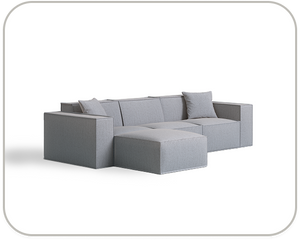
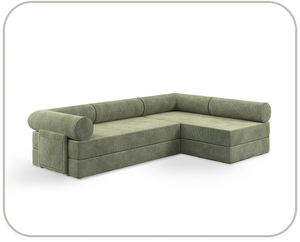
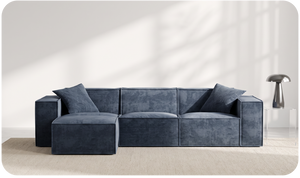
The M1 Sectional Sofa by Rove Lab is an excellent example of modular design done right. Its pieces can be zipped together or separated, allowing you to create a layout that perfectly fits your space. The flexibility of this sectional means you can change your living room's look and feel without needing to buy new furniture.
Modular furniture is particularly beneficial for small spaces, where maximizing every inch is crucial. It allows you to adapt your living room to changing needs, whether you're hosting guests or enjoying a quiet evening in.
Experiment and Evolve
Designing a colorful living room is an ongoing process. Your tastes and needs may evolve over time, and your space should adapt to reflect these changes. Don't be afraid to experiment with new colors, patterns, or arrangements.
Start small if you're hesitant about making big changes. Swap out accessories or add a new piece of art to see how it affects the overall mood of the room. Over time, you might find your preferences shifting, leading you to explore new color combinations or decor styles.
The beauty of a colorful living room is its ability to grow with you. As your tastes change, so too can your space, ensuring it remains a true reflection of who you are.
Final Thoughts
Designing a colorful living room is all about expressing yourself and creating a space that feels uniquely yours. By starting with a neutral foundation, choosing a cohesive color palette, and layering in patterns, textures, and art, you can create a vibrant and inviting space. Remember the role of lighting and the benefits of modular furniture like the M1 Sectional Sofa by Rove Lab, which offers flexibility and style in one package. Embrace the process, experiment with different elements, and let your living room evolve with you.