![Rove Lab™ [Canada]](http://rovelab.ca/cdn/shop/files/ffd50d6b335e43f560dde12ee492d89e_5.svg?v=1792150825)
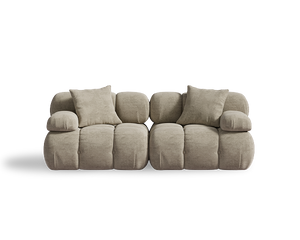
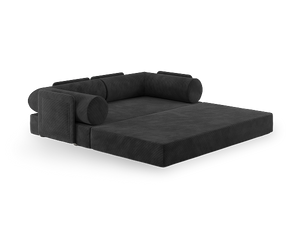

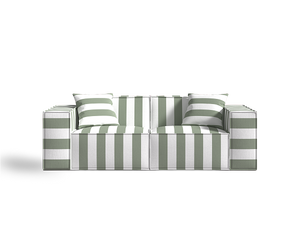
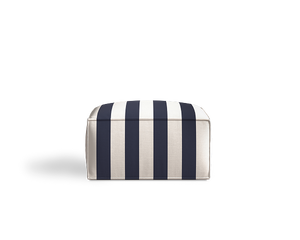



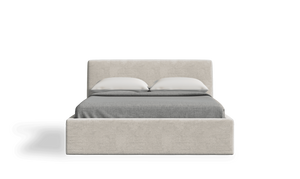

Think about how a touch of color can redefine your living space. It's like adding a pinch of spice to your favorite dish—it elevates everything. Designing a living room with split complementary colors combines these vibrant hues with a sense of balance and harmony, creating a space that's both lively and cohesive. Let's explore how you can effortlessly achieve this look.
Understanding Split Complementary Colors
Before we dive into the design specifics, let's talk about what split complementary colors are. Imagine a color wheel: you have your main color, and instead of going directly opposite to find its complement, you select the two colors adjacent to the complement. This gives you a more nuanced palette, offering a diverse range of hues that work harmoniously together.
For instance, if your main color is blue, its complement is orange. A split complementary scheme might include blue, yellow-orange, and red-orange. This approach offers a visually interesting contrast while maintaining a sense of balance, perfect for those who want a lively but not overwhelming living room.
Choosing Your Main Color
Your main color sets the tone for the entire room. It's like choosing a lead actor for a movie; everything else will revolve around it. Think about the mood you want to create. Do you want a calm and serene space? Consider blues or greens. Feeling bold? Reds and purples can make a striking statement.
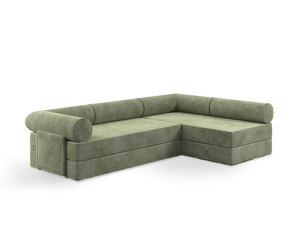
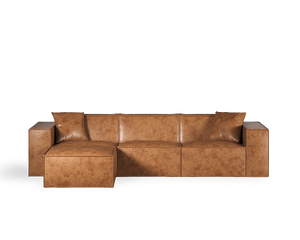
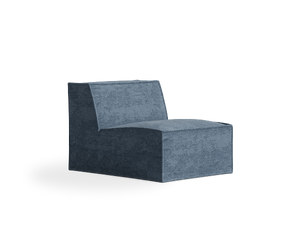
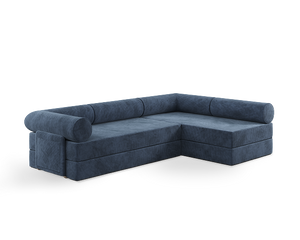
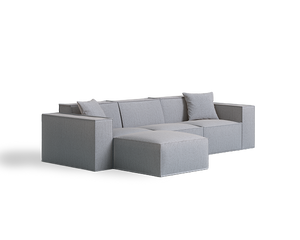
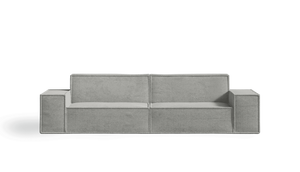
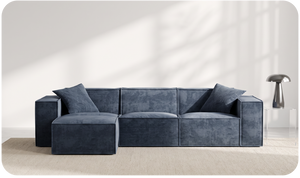
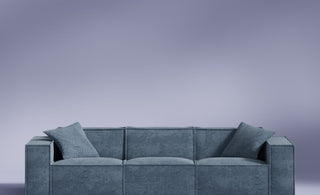
Once you've chosen your main color, use it in larger quantities in the room. This could be in the form of an accent wall, a dominant piece of furniture, or a rug. For example, an M1 Sectional Sofa from Rove Lab in a rich blue can serve as the anchor for the room, offering both comfort and style.
Selecting the Complementary Pair
Now, it's time to choose the two colors that will accompany your main hue. These should be used in smaller quantities, like supporting actors in a play, enhancing the main color without overpowering it. Think about incorporating these shades through decorative accents such as throw pillows, blankets, or artwork.
For instance, if you've chosen a soft green as your main color, adding touches of coral and peach can bring warmth and vibrancy to the room. These colors can appear in unexpected places like a vase, a picture frame, or even a plant pot, adding depth and interest.
Creating Balance with Neutral Tones
While color is essential, it's also important to balance it with neutral tones to prevent the room from feeling too busy. Neutrals like white, grey, or beige serve as a backdrop, allowing your chosen colors to shine without competition.
Consider using neutral tones on the walls or floors. A light grey wall can offer a calming effect, providing a blank canvas for your colorful furniture and accessories. Similarly, a beige rug can anchor the space, offering warmth and texture.
Incorporating Furniture and Textiles
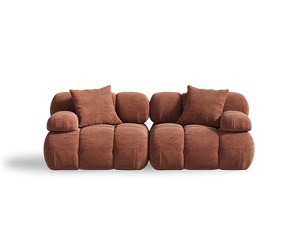
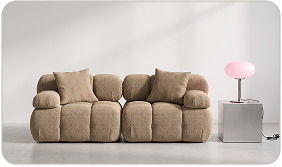
Furniture plays a pivotal role in your living room's design. Choose pieces that not only fit the color scheme but also complement the room's size and layout. A sectional sofa is ideal for maximizing seating and creating a cozy atmosphere, especially in smaller spaces.
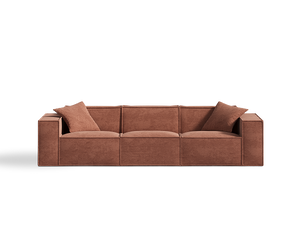
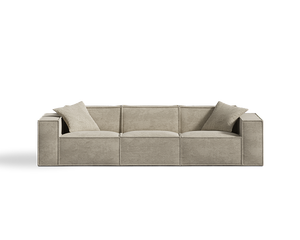
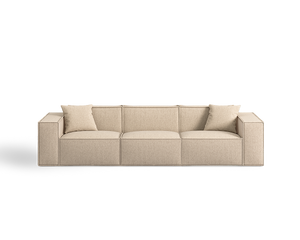
The M1 Three-Seater Sofa from Rove Lab is a fantastic option, offering both style and versatility. Its minimalist design allows it to blend seamlessly into any color scheme, while the vegan performance mesh fabric ensures durability and easy maintenance.
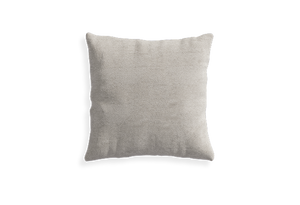
Don't forget about textiles! Curtains, throw pillows, and blankets offer opportunities to subtly incorporate your split complementary colors. A throw in a bold accent color can be draped over the sofa, while patterned cushions add a playful touch.
Lighting: Setting the Mood
Lighting can make or break the ambiance of your living room. It's not just about the light fixtures themselves, but also how the light interacts with your color scheme. Warm lighting can enhance reds, oranges, and yellows, while cooler lighting might better accentuate blues and greens.
Consider a mix of light sources, including overhead lighting, floor lamps, and table lamps, to create layers of illumination. This allows you to adjust the mood according to the time of day or the occasion. A beautiful pendant light or a unique floor lamp can also serve as a focal point, incorporating one of your accent colors.
Accessorizing with Art and Decor
Art and decor are the finishing touches that bring your living room to life. Choose pieces that reflect your personal style while complementing your color scheme. Large, bold pieces of art can serve as focal points, drawing the eye and adding personality to the space.
Smaller decorative items like vases, books, and sculptures can be strategically placed to incorporate your secondary colors. This is a great way to introduce color in a non-permanent way, allowing for easy updates as trends or your preferences change.
Creating a Cohesive Flow
A well-designed living room should feel connected, not just within itself but also with adjacent spaces. If your living room opens into a dining area or kitchen, consider how the color scheme will flow into these areas. Using a consistent color palette creates a harmonious and cohesive look.
This doesn't mean every room has to match exactly, but rather there should be a sense of continuity. For example, if your living room features a lot of blue, perhaps your dining room could incorporate touches of the same blue through a table runner or dinnerware, tying the spaces together.
Personalizing Your Space
Finally, remember that your living room is a reflection of you. Personal touches make a space feel lived-in and loved. Display family photos, travel souvenirs, or quirky finds that resonate with you. These elements add character and charm, making the room uniquely yours.
Don't be afraid to experiment! Design is a personal journey, and what works for one might not work for another. Trust your instincts and create a space that feels right for you. And if you're ever in doubt, you can always rearrange or try something new.
Final Thoughts
Designing a living room with split complementary colors is all about balance, creativity, and personal expression. By carefully choosing your colors, incorporating the right furniture, and adding thoughtful accessories, you can create a space that's both stylish and inviting. If you're looking for a versatile piece to anchor your design, consider the M1 Sectional Sofa from Rove Lab. Its modular design and smart foam upholstery ensure comfort and adaptability, making it the perfect addition to any modern living room. Happy designing!