![Rove Lab™ [Canada]](http://rovelab.ca/cdn/shop/files/rovelab_logo.svg?v=1781628572)
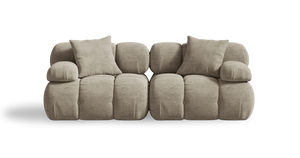
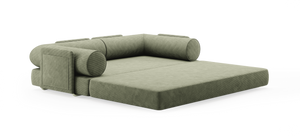
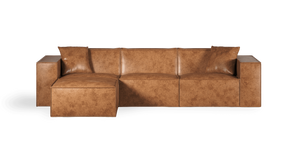
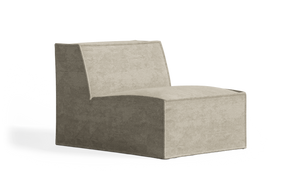


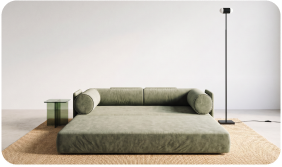
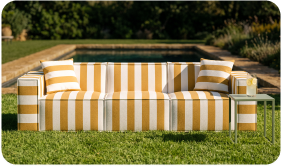

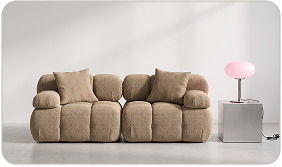

Creating a transitional-style living room is all about striking the perfect balance between traditional and modern styles. It's a bit like making the perfect cup of coffee: too much of one or the other, and it just doesn't taste right. Transitional design brings together the warmth of classic elements with the crispness of modern aesthetics, creating a timeless space that feels both sophisticated and inviting. If this concept intrigues you but you're not sure where to start, you've come to the right place. Let's break down the steps to furnishing a transitional living room that feels just right.
The Color Palette: Less Is More
When it comes to transitional design, the color palette sets the tone. Think neutral tones as your base: whites, grays, taupes, and beiges are your best friends here. These colors create a clean, understated backdrop that allows your furniture and accessories to shine.
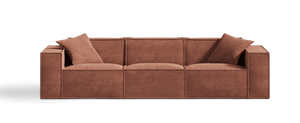
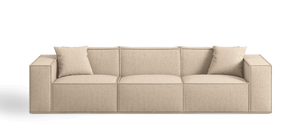
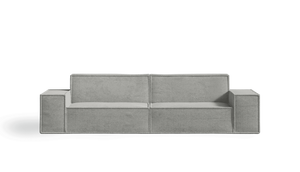
But don't worry, neutral doesn't mean boring. You can add depth and interest by incorporating subtle textures and patterns. For example, a taupe wall can be paired with a charcoal gray sofa, such as the M1 Three Seater Sofa from Rove Lab, which can add a touch of modern elegance to your space. Layer in a plush cream-colored rug to tie everything together.
- Use neutral tones as your foundation.
- Incorporate subtle textures and patterns for depth.
- Consider muted accent colors, like soft blues or dusty rose, to introduce personality.
Remember, the goal is to keep things simple yet layered, creating a canvas that is both soothing and sophisticated.
Furniture: The Art of Mixing Styles
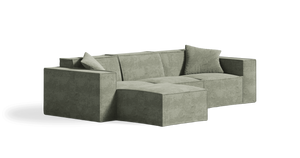
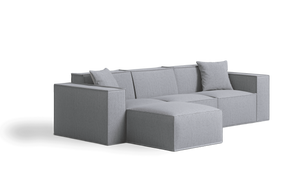
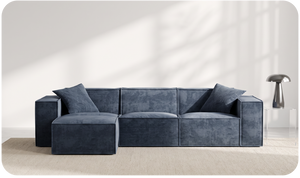
Choosing the right furniture is crucial in a transitional living room. You want to blend traditional pieces with modern ones, achieving harmony rather than stark contrast. Start with a statement sofa that embodies both comfort and style. The M1 Sectional Sofa from Rove Lab fits perfectly here with its minimalist design and modular capabilities, allowing you to tailor it to your space effortlessly.
Mix in a few classic pieces like an imposing armchair or an antique coffee table. These elements bring a sense of history and warmth to your room. On the flip side, opt for sleek, contemporary side tables or a modern media console to keep things fresh. The key is balance: don't let one style overpower the other.
- Select a statement sofa that is both comfortable and stylish.
- Incorporate traditional pieces for warmth and character.
- Add modern elements to keep the space current.
Play with different arrangements until you find a combination that is both functional and inviting. With transitional design, there's room for flexibility and creativity.
Lighting: Setting the Mood
Lighting plays a crucial role in any living room, and in a transitional space, it's no different. You'll want a mix of ambient, task, and accent lighting to create a well-lit room that feels warm and inviting. Start with a central statement piece, like a chandelier or pendant light, to anchor the room.
Layer in floor lamps and table lamps throughout the space for task lighting. These can have a mix of traditional and modern designs. For example, a brass floor lamp with a sleek, contemporary silhouette can add a touch of elegance. Don't forget accent lighting, such as wall sconces or LED strips, which can highlight architectural features or artwork.
- Use a mix of ambient, task, and accent lighting.
- Incorporate a statement chandelier or pendant light.
- Add a blend of traditional and modern lamps for balance.
When lighting your space, consider the mood you want to create. Soft, warm lighting creates a cozy atmosphere, while brighter lights can make the space feel open and airy.
Textiles: Layering for Comfort and Style
Textiles are where you can really have fun with a transitional living room. They add warmth, texture, and color, tying the whole room together. Start with a large area rug that anchors your seating area. It should be plush and inviting, adding both comfort and style.
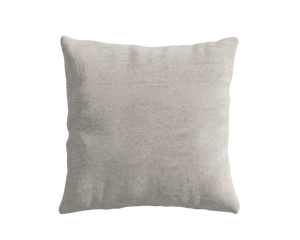
Layer in throws and pillows in a mix of subtle textures and patterns. Think knitted throws, velvet cushions, and woven fabrics. These elements add depth and interest without overwhelming the space. Choose a few accent colors to pop against your neutral base, but keep them muted for a cohesive look.
- Begin with a large, plush area rug to anchor the space.
- Layer throws and pillows in various textures.
- Introduce subtle patterns and muted accent colors.
Remember, the goal of textiles in a transitional space is to enhance comfort while maintaining elegance. It's about finding the right balance between cozy and chic.
Art and Accessories: The Finishing Touches
No room is complete without art and accessories. In a transitional living room, these items should reflect both your personality and the balanced aesthetic of the room. Choose artwork that combines traditional elements with a modern twist, such as a classic landscape painting with a contemporary frame.
Accessorize with a mix of vintage and modern pieces. Perhaps a sleek metal vase paired with an antique clock or a set of contemporary sculptures alongside a traditional bookcase.
- Mix traditional artwork with modern frames.
- Use a combination of vintage and modern accessories.
- Choose pieces that reflect your personality and style.
When it comes to accessories, less is often more. Select a few key pieces and let them shine, avoiding clutter to maintain the clean, sophisticated look of the room.
Architectural Details: Highlighting Character
Architectural details can make or break a transitional living room. If your home has beautiful moldings, original fireplaces, or unique windows, let these features take center stage. Highlight them with paint or by arranging furniture to draw attention to these areas.
Incorporate built-in shelving or cabinetry to add both functionality and architectural interest. These can be painted a contrasting color to make them stand out or kept in the same hue as the walls for a more subtle effect.
- Highlight existing architectural features.
- Use built-ins for added functionality and interest.
- Consider contrasting colors to emphasize details.
Remember, the architecture of the space is part of your design palette. Use it wisely to add character and charm to your living room.
Flooring: The Foundation
Flooring forms the foundation of your living room design, and in a transitional space, it needs to be both practical and stylish. Hardwood floors are a popular choice, offering a timeless appeal that works well with both traditional and modern elements.
If hardwood isn't an option, consider laminate or luxury vinyl planks that mimic the look of wood. These materials are not only cost-effective but also durable and easy to maintain.
- Choose hardwood for a timeless look.
- Consider laminate or vinyl for a cost-effective option.
- Add area rugs for warmth and texture.
Layering an area rug over your flooring is a great way to add warmth, especially in open-concept living spaces. It also serves to define different zones within the room.
Embracing Minimalism: Less Clutter, More Space
Transitional design often leans towards minimalism, focusing on clean lines and uncluttered spaces. This doesn't mean austere or sterile; rather, it's about thoughtful curation. Keep surfaces clear of unnecessary items and choose storage solutions that blend seamlessly into your decor.
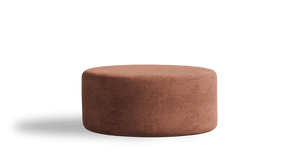
Consider multi-functional furniture like the M1 Ottoman Sofa Seat from Rove Lab, which can double as both a footrest and extra seating. It's about maximizing functionality without sacrificing style.
- Focus on clean lines and uncluttered spaces.
- Use multi-functional furniture for added utility.
- Choose storage solutions that blend into your decor.
The goal of minimalism in a transitional living room is to create a space that feels open and airy while still being warm and inviting. It's about quality over quantity, where every piece serves a purpose.
Choosing the Right Sofa: The Heart of the Living Room
The sofa is often the centerpiece of the living room, so choose one that complements your transitional design. Look for clean lines and subtle details that bridge the gap between traditional and modern styles. The M1 Three Seater Sofa from Rove Lab is an excellent option, providing both comfort and a minimalist design that fits seamlessly into any transitional space.
Consider the fabric and color carefully. Neutral tones work best, but you can opt for a muted color that adds personality without overwhelming the space. Performance fabrics are a smart choice, especially for high-traffic areas, as they offer durability and easy maintenance.
- Choose a sofa with clean lines and subtle details.
- Opt for neutral or muted colors.
- Select performance fabrics for durability and easy care.
Remember, the sofa isn't just a piece of furniture; it's where you'll gather with family and friends, so comfort and style should go hand in hand.
Final Thoughts
Furnishing a transitional living room is all about balance and harmony between styles, colors, and textures. By combining traditional elements with modern touches, you can create a space that feels both timeless and contemporary. If you're looking for furniture that embodies this balance, the M1 Sectional Sofa from Rove Lab offers flexibility and style, making it a perfect choice for your transitional living room. Remember, your home should reflect your personality, so have fun with the process and make it a space that is uniquely yours.