![Rove Lab™ [Canada]](http://rovelab.ca/cdn/shop/files/rovelab_logo.svg?v=1781628572)

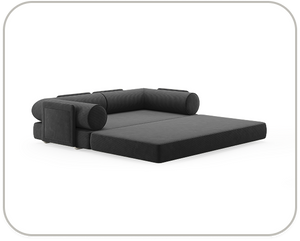






You're thinking of giving your living room a facelift? How about diving into the bold and avant-garde world of industrial design? An industrial living room isn't just a trend—it's a lifestyle statement. This design style combines urban vibes with rustic charm, giving your space a unique and modern touch. If you're ready to embrace exposed brick, metallic accents, and minimalist furniture, let's explore how you can transform your living room into an industrial haven.
The Beauty of Raw Materials
Industrial design thrives on authenticity and rawness. It's about embracing materials in their natural form, celebrating imperfections, and finding beauty in the unfinished. Think exposed brick walls, steel beams, and concrete floors. These elements create a backdrop that is both rugged and refined, a perfect canvas for your personal touch.
Exposed brick walls are often the hallmark of industrial design. They add warmth and texture, breaking up the monotony of plain walls. If your home doesn't naturally feature exposed brick, don't fret. There are excellent faux brick panels available that can be easily installed to mimic the look. The key is to keep the texture as authentic as possible.
Concrete, another staple, is no longer just for floors. Polished concrete floors exude a sleek, contemporary feel, while concrete countertops and tables add a touch of industrial chic. If you're concerned about concrete feeling cold, add warmth with plush rugs or wooden accents.
Next up are metallic elements. Steel beams, iron pipes, and metallic light fixtures bring that urban, factory-inspired aesthetic. These materials are durable and practical, enhancing the industrial vibe. Incorporating metal into furniture, such as a coffee table with steel legs or a bookshelf with iron frames, ties the room together seamlessly.
Open Space and High Ceilings
One of the defining characteristics of industrial design is its emphasis on open space and high ceilings. This design style was originally inspired by converted warehouses and factories, which naturally featured spacious floor plans and lofty ceilings. To recreate this look, focus on decluttering and embracing a more open layout.
Start by assessing your current furniture arrangement. Is there a way to open up the space? Consider rearranging furniture to allow for better flow and visibility. Avoid blocking windows or creating unnecessary barriers within the room. The goal is to let the space breathe.
If your ceilings are on the lower side, you can create the illusion of height by using vertical lines in your decor. Tall bookshelves, floor-to-ceiling curtains, or vertically striped wallpaper can draw the eye upwards, making the room feel more expansive.
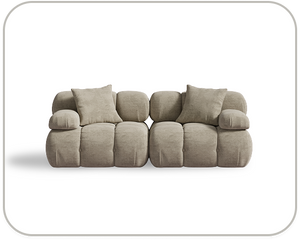
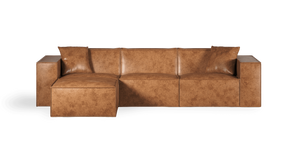
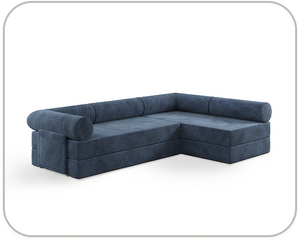
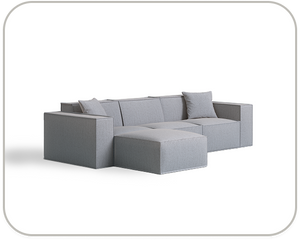
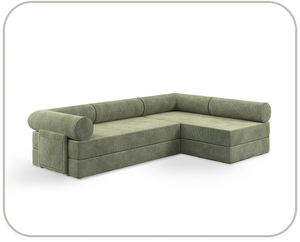
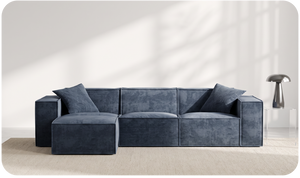
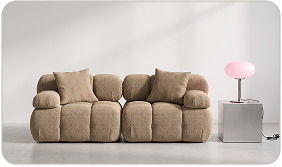
When it comes to furniture, choose pieces that are low-profile and don't overwhelm the room. The Rove Lab M1 Sofa Sectional is an excellent choice, offering a minimalist design that is both stylish and functional. Its modular nature allows you to configure it to fit your space perfectly, enhancing the open feel.
Mixing Old and New
Industrial style is all about balancing the old with the new. It's a celebration of history and modernity, blending vintage elements with contemporary design. This mix creates a space that feels lived-in and authentic.
Start by incorporating vintage or salvaged pieces into your decor. Look for unique finds at flea markets or antique shops—items like an old wooden trunk can double as a coffee table, or a vintage ladder can become a quirky bookshelf. These pieces add character and tell a story, grounding your design in history.
Pair these older elements with sleek, modern furniture to strike a balance. A contemporary sofa or a set of minimalist chairs can provide a contrast, highlighting the industrial aesthetic. The trick is to ensure these pieces complement each other rather than compete.
Lighting is another area where you can blend old with new. Consider installing Edison bulbs for a vintage touch, but set in modern fixtures. The warm glow of these bulbs enhances the cozy, inviting atmosphere that industrial design is known for.
Neutral Color Palette
Industrial design often features a neutral color palette, with shades of grey, black, white, and brown dominating the scene. These colors create a calm and understated backdrop that allows the raw materials and textures to shine.
Start with the walls. A soft grey or warm white can provide the perfect canvas for your industrial decor. If you're feeling bold, a dark accent wall in charcoal or navy can add depth and drama to the space.
When choosing furniture, stick to neutral tones, but don't be afraid to play with texture. A leather sofa in a rich brown or black can add sophistication and warmth to the room. Textured fabrics like linen or wool can introduce a cozy element without straying from the neutral color scheme.
Accent pieces, such as throw pillows or blankets, can introduce subtle pops of color. Think muted greens, rust, or mustard—these hues can add interest without overwhelming the space. The key is to maintain a cohesive look that feels harmonious and balanced.
Functional Furniture
In an industrial living room, furniture should be as functional as it is stylish. Think about pieces that serve multiple purposes or offer practical benefits, especially if you're working with a smaller space.
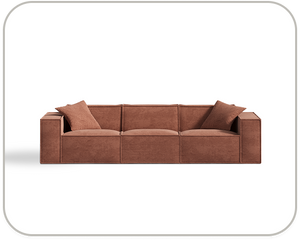
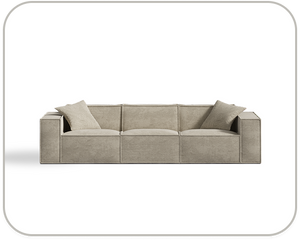
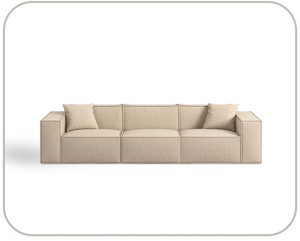
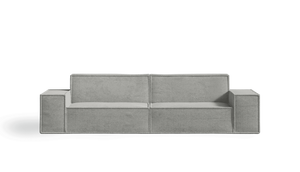
Consider investing in a sofa that offers flexibility, like the Rove Lab M1 Three-Seater Sofa. Its modular design allows you to customize its configuration, making it a smart choice for any living room. Plus, its minimalist aesthetic fits seamlessly with the industrial theme.
Multifunctional furniture, such as a coffee table with built-in storage or nesting side tables, can maximize your space without sacrificing style. Look for pieces made from durable materials like wood or metal, which align with the industrial aesthetic.
Don't forget about seating. Industrial design often features a mix of seating options, from sleek leather chairs to simple wooden stools. This variety adds visual interest and ensures you have plenty of seating for guests.
Accent Lighting
Lighting is a crucial element in any industrial living room. It not only illuminates the space but also adds to the overall aesthetic. The right lighting can transform a room, highlighting textures and creating ambiance.
Pendant lights are a popular choice in industrial design. They come in various shapes and sizes, from sleek metallic fixtures to more ornate designs. Hang them in clusters for a dramatic effect, or opt for a single oversized pendant to make a statement.
Floor lamps and table lamps can also add to the industrial vibe. Look for designs with metallic finishes or exposed bulbs. These lamps can serve as both functional lighting and decorative elements.
For a truly authentic touch, consider retrofitting existing light fixtures with Edison bulbs. These bulbs emit a warm, inviting glow that enhances the cozy, welcoming atmosphere of your industrial living room.
Art and Decor
When it comes to art and decor, less is often more in an industrial living room. However, this doesn't mean you have to sacrifice personality or style. The right pieces can add character and complement the overall design.
Consider large-scale art prints or photographs that feature urban landscapes or abstract designs. These pieces can add visual interest and become focal points in the room. Black and white photography is particularly striking against a neutral backdrop.
Sculptural pieces, such as metal or concrete sculptures, can add a modern edge. Look for objects that reflect the simplicity and functionality of industrial design.
Finally, incorporate plants to add a touch of nature and soften the space. Choose plants that thrive indoors and have a sculptural quality, such as succulents or snake plants. Their green hues will beautifully contrast with the neutral color palette, adding freshness and vitality to your living room.
Textures and Textiles
Textures and textiles play an important role in industrial design, adding depth and warmth to the space. The contrast between hard and soft materials creates a balanced and inviting atmosphere.
Start with textiles like rugs, throw pillows, and blankets. A large area rug in a neutral shade can anchor the room and define the living area. Look for natural fibers like wool or jute for a touch of warmth and comfort.
Throw pillows and blankets can introduce texture and color. Opt for materials like linen, cotton, or leather to maintain the industrial vibe. Layer different textures to add depth and interest.
Don't overlook the importance of window treatments. While industrial design often favors bare windows, sheer curtains or simple roller blinds can provide privacy without detracting from the aesthetic. Choose lightweight, airy fabrics, allowing natural light to filter through.
Personal Touches
Finally, truly personalize your industrial living room by adding personal touches. These elements reflect your personality and make the space feel welcoming.
Display personal items like books, travel souvenirs, or family photos. These pieces add warmth and tell a story, making your living room uniquely yours.
Consider incorporating a statement piece that reflects your style. Whether it's a bold piece of art, a unique piece of furniture, or an eye-catching light fixture, these elements can become the focal point of the room.
Remember, the beauty of industrial design lies in its flexibility and adaptability. It's a style that evolves with you, allowing you to express yourself while maintaining a cohesive and stylish look.
Final Thoughts
Designing an industrial living room is about embracing raw materials, open spaces, and a blend of old and new elements. It's a style that celebrates authenticity and individuality, creating a space that is both functional and aesthetically pleasing. If you're ready to transform your living room, consider incorporating pieces like the Rove Lab M1 Sofa Sectional. Its modular design and minimalist aesthetic make it a perfect fit for any industrially inspired space.