![Rove Lab™ [Canada]](http://rovelab.ca/cdn/shop/files/rovelab_logo.svg?v=1781628572)
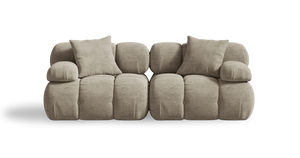
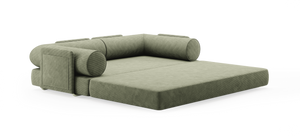
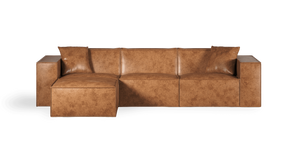
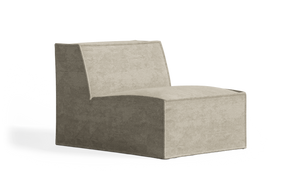







A yellow living room is like a perpetual sunny day that greets you every time you walk through the door. It’s vibrant, cheerful, and can instantly lift your spirits. But how do you pull off a yellow living space without feeling like you’ve stepped into a sunflower field? That’s where the fun begins! Designing a yellow living room involves finding the balance between bold and subtle, choosing the right shades, and picking furniture and décor that complement this sunny hue. Let’s explore how you can create a space that’s both dazzling and inviting.
Choosing the Right Shade of Yellow
Yellow comes in a spectrum of shades, each evoking a different mood. From creamy pastels to bold sunflowers, the right shade can make all the difference. If you're aiming for a serene atmosphere, consider softer yellows like buttercup or pale lemon. These hues are gentle on the eyes and create a calming environment, perfect for unwinding after a long day.
On the other hand, if you’re looking to make a statement, opt for bolder shades like mustard or sunflower. These vibrant yellows are energetic and can add a pop of personality to your space. However, be mindful of balance. Going too bold can be overwhelming, especially in smaller spaces. To avoid this, consider using a bold yellow on an accent wall or in your décor, rather than covering all four walls.
Interestingly enough, yellow pairs beautifully with a variety of other colors. Pair soft yellows with whites and creams for a light and airy feel. For a dramatic look, combine bold yellows with deep blues or rich grays. This contrast can add depth and sophistication to your living room.
Incorporating Yellow into Your Walls
Painting your walls is the most obvious way to introduce yellow into your living room. But it doesn't have to be an all-or-nothing approach. Consider these ideas:
- Accent Walls: A single yellow wall can serve as a focal point without overwhelming the room. Pair it with neutral tones on the other walls to maintain balance.
- Patterned Wallpaper: If you're feeling adventurous, try a yellow wallpaper with a subtle pattern. This adds texture and interest to your space without being too bold.
- Two-Tone Walls: Use yellow on the top or bottom half of your walls, separated by a chair rail. This classic technique adds a touch of elegance and visual interest.
Remember, it's not just about the wall color. Your room's lighting can greatly affect how yellow appears. Natural light will make yellow look brighter and more vibrant, while artificial lighting can give it a warmer hue.
Picking the Perfect Furniture
When designing a yellow living room, furniture choices are crucial. You want pieces that complement the yellow without clashing or getting lost. Neutral-colored furniture like grays, whites, or beiges tend to work well in yellow spaces. They allow the walls to be the star while providing a calm backdrop.
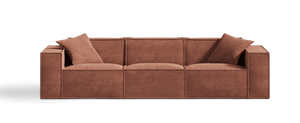
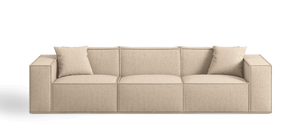
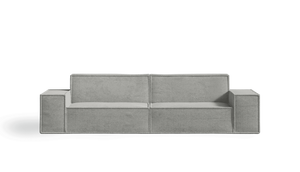
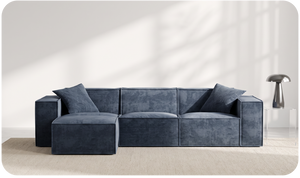
If you're feeling adventurous, consider incorporating furniture with pops of color. A teal or navy blue sofa can create a striking contrast against yellow walls. The M1 Three Seater Sofa from Rove Lab in a neutral hue can be a perfect addition, offering comfort and style without overpowering your vibrant walls. Its minimalist design and stain-resistant fabric make it a practical choice for any home.
Additionally, think about materials. Wooden furniture with natural finishes can add warmth and texture to your room. Metallic accents, such as a steel coffee table or brass light fixtures, can bring a modern touch to the space.
Accessorizing with Décor
Accessories are where you can truly let your personality shine through. They provide the finishing touches that make your living room feel like home. Here are some ideas to get you started:
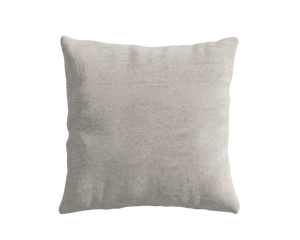
- Cushions and Throws: Layer your sofa with cushions and throws in complementary colors. Think soft grays, blues, or even a patterned yellow.
- Art and Wall Décor: Choose artwork that harmonizes with your color scheme. Black and white prints can add sophistication, while colorful abstracts can enhance the room's vibrancy.
- Rugs: A rug can anchor your space and add warmth underfoot. Opt for a neutral rug with a subtle pattern or texture to keep the focus on your walls.
Remember, less is often more. A few carefully chosen accessories can make a bigger impact than a cluttered space. Aim for balance and cohesion in your décor choices.
Bringing in Natural Elements
Nature-inspired elements can beautifully complement a yellow living room. Consider incorporating plants, which not only add a touch of green but also improve air quality. A large potted plant in the corner or a series of small succulents on the coffee table can bring life and freshness to your space.
Additionally, natural materials like wood, rattan, or wicker can introduce warmth and texture. A wooden coffee table or a wicker chair can balance the brightness of yellow, grounding the space and making it feel cozy and inviting.
The Role of Lighting
Lighting plays a crucial role in how we perceive colors. In a yellow living room, the right lighting can enhance the warmth and vibrancy of the space. Consider these lighting options:
- Natural Light: Maximize natural light by keeping windows unobstructed. Sheer curtains can provide privacy while still allowing light to filter through.
- Layered Lighting: Combine ambient, task, and accent lighting to create a well-lit space. A central ceiling fixture provides general illumination, while floor or table lamps offer targeted light for reading or working.
- Warm Light Bulbs: Choose light bulbs with a warm color temperature to enhance the cozy ambiance of your yellow room.
Remember, the type of lighting you choose can change the perception of yellow in your space, so it's worth experimenting with different options to find what works best.
Creating a Focal Point
Every room benefits from a focal point—an element that draws the eye and anchors the space. In a yellow living room, this could be a piece of art, a fireplace, or even a piece of furniture. Consider these ideas:
- Art: A large painting or print can serve as a striking focal point. Choose something that harmonizes with your color scheme and reflects your personal style.
- Fireplace: If you have a fireplace, consider making it the focal point. Decorate the mantel with a few curated pieces, such as candles or a vase of flowers.
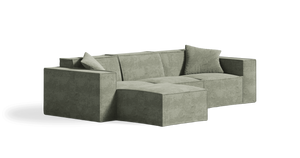
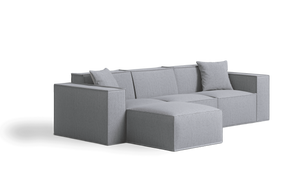
- Statement Furniture: A bold piece of furniture, such as the M1 Sofa Sectional from Rove Lab, can also act as a focal point. Its clean lines and customizable arrangement can suit any space, making it a versatile choice.
Remember, your focal point should reflect your personality and tie the room together, creating a cohesive and inviting space.
Balancing Boldness and Subtlety
Designing a yellow living room is all about balance. You want to embrace the boldness of yellow while maintaining a sense of harmony. Here are some tips:
- Mix and Match: Pair bold yellow elements with softer, more subtle hues. This could mean mixing a bright yellow wall with white or gray furniture.
- Layer Textures: Use different textures to add depth and interest. A plush rug, a knitted throw, or a woven basket can all contribute to a layered look.
- Incorporate Neutrals: Balance out bold yellow with neutral tones. This could mean using neutral furniture or adding neutral accents like a beige rug or white curtains.
By carefully balancing boldness and subtlety, you can create a space that feels cohesive and inviting, without being overwhelming.
Final Thoughts
Designing a yellow living room is all about finding the right balance between vibrancy and comfort. By choosing the right shade, incorporating complementary furniture like the M1 Sofa Sectional from Rove Lab, and accessorizing thoughtfully, you can create a space that’s as sunny as it is sophisticated. Remember, it's about expressing your personal style and creating a space where you love to spend time.