![Rove Lab™ [Canada]](http://rovelab.ca/cdn/shop/files/rovelab_logo.svg?v=1781628572)


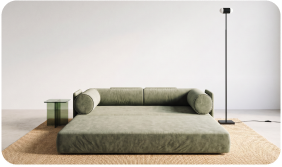
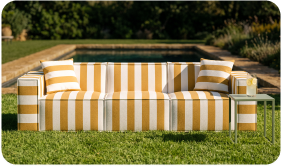
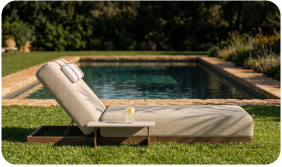
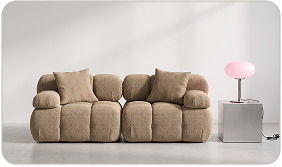

If you've ever felt a gentle nostalgia for the 70s, you're not alone. There's something about the bold colors, adventurous patterns, and relaxed vibe of that era that continues to draw us in. Designing a 1970s-inspired living room is like opening a time capsule, with just enough modernity to keep things fresh. Let's explore how you can recreate that groovy style in your home, making it a perfect blend of retro charm and contemporary comfort.
Choosing the Right Colors
1970s colors are as vibrant as they are unforgettable. Think rich, earthy tones like avocado green, mustard yellow, and burnt orange. These hues create a warm, inviting atmosphere that harks back to a time when peace and love were more than just buzzwords. But how do you integrate these colors into a modern setting without making your space look like a relic?
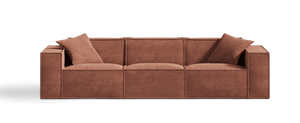
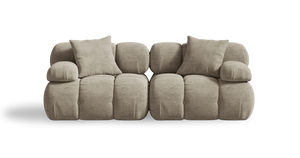
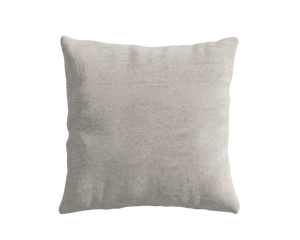
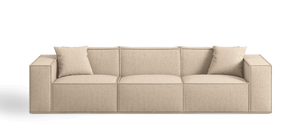
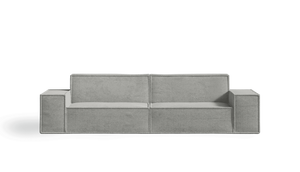
Start with a neutral base to balance the boldness. Whites, beiges, and soft grays can serve as a canvas for your vibrant accents. Consider a Rove Lab M1 three-seater sofa in a neutral fabric as your foundation. This way, your colorful throw pillows, blankets, and artwork can pop without overwhelming the room.
Another tip? Use these colors strategically. An accent wall in burnt orange or a mustard yellow rug can add just enough flair without dominating the space. Pairing these vibrant colors with vintage-inspired patterns can further enhance the 70s vibe without delving into kitsch.
Furniture that Speaks to the Era
70s furniture was all about comfort and style. Think low-slung seating, curved lines, and natural materials. To capture this aesthetic, consider incorporating pieces that reflect this spirit. The goal is to create a space where lounging feels as natural as breathing.
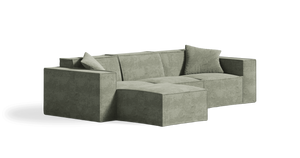
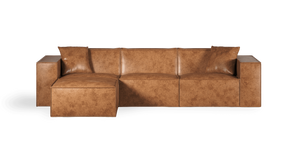
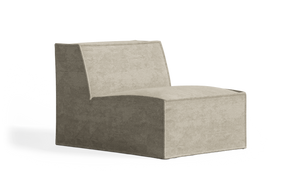
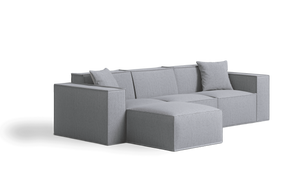
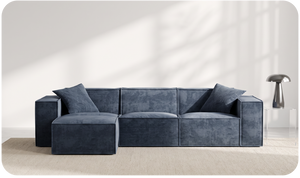
Modular seating, like the M1 sectional sofa, embodies the retro spirit with its adaptable design. It's perfect for a living room that accommodates intimate gatherings and solo relaxation alike. Its versatility means you can easily rearrange it to suit your mood, reflecting the free-spirited nature of the 70s.
Beyond seating, look for furniture with a mix of materials such as wood, leather, and metal. A teak coffee table with a minimalist design or a leather armchair with a distressed finish can bring in that vintage charm without sacrificing modern comfort. Don't forget lighting—floor lamps with oversized shades or pendant lights with geometric shapes can tie the room together.
Patterns that Pop
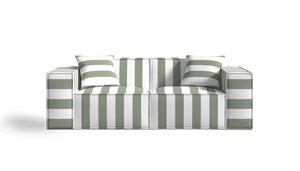
Nothing says 70s more than bold patterns. Whether it's floral, geometric, or abstract, the era was defined by a fearless use of prints. To integrate these into your living room, start with textiles. Throw pillow covers, curtains, or a rug with bold patterns can transform your space.
If you're feeling adventurous, wallpaper is making a comeback and can be a great way to add a splash of pizzazz to your walls. Choose a pattern that complements your color scheme without clashing with other elements in your room. Remember, balance is key. If your wallpaper is bold, keep the rest of the room simple to avoid visual overload.
Mixing different patterns can be tricky, but done right, it can add depth and character to your living room. A simple way to start is by pairing a large-scale pattern with a smaller one, ensuring they share at least one color to maintain harmony. And if all of this feels too overwhelming, start small—a patterned throw or a piece of art can be enough to nod to the era without over-committing.
Textures for Tactile Pleasure
The 70s was a tactile era. From shag carpets to velvet sofas, the textures of this decade invite touch and comfort. To bring this sensory experience into your living room, think about layering different textures that invite you to sink in and stay awhile.
Consider a plush rug underfoot to add warmth and comfort. A shaggy rug in a neutral tone can anchor the room and offer a soft counterpoint to sleek furniture. Velvet or corduroy upholstery can add a luxurious and deep texture, perfect for a loveseat or an armchair.
Incorporate natural textures like wood or stone for an organic feel. A wooden coffee table or an exposed brick wall can add a rustic touch, while plants can bring in some nature, enhancing the room's earthiness. The goal is to create a space that feels tactile and inviting, encouraging you to kick off your shoes and relax.
Accessories that Add Character
Accessories are the finishing touches—think of them as your living room's jewelry. They bring personality and can be easily swapped out as trends change or seasons pass. In a 70s-inspired space, macrame wall hangings, ceramic vases, and vintage record players can add just the right amount of charm.
Don't be afraid to incorporate a bit of personal history into your decor. Family photos in retro frames, vintage books, and cherished collectibles can give your living room a lived-in feel. These small touches not only add character but also create a space that truly feels like you.
Lighting also plays a crucial role in setting the mood. A lava lamp or a retro floor lamp can add a whimsical touch, casting a warm glow that's perfect for those cozy evenings. Remember, less is more. Choose a few standout pieces that reflect your personality and the essence of the era without cluttering the space.
Plants for a Breath of Fresh Air
The 1970s were all about bringing the outdoors in, and nothing does that better than a collection of houseplants. Not only do plants add a touch of greenery, but they also improve air quality and create a soothing atmosphere. Opt for plants that were popular in the 70s, such as spider plants, ferns, or the iconic rubber plant.
Consider the size and layout of your living room when selecting plants. A large fiddle-leaf fig can make a bold statement if you have the space, while smaller plants can be arranged on shelves or in macrame hangers for a bohemian touch.
Plants can also be a fun way to play with colors and textures. Mix and match pots in different materials and hues to complement your room's palette. Whether you go for a single statement plant or a jungle of greenery, the natural element will add life and energy to your 1970s-inspired living room.
Music and Tech: The Modern Twist
While embracing the past, it's important to remember the conveniences of the present. The 70s were all about music, so a high-quality sound system is a must-have. Consider integrating modern technology with a retro aesthetic—a wireless speaker that looks like a vintage radio, for instance.
If you're a fan of vinyl, a record player can be both a functional piece of tech and a stylish accessory. Pair it with a collection of vinyl records displayed on a wall shelf to add a touch of nostalgia. Just ensure that the technology you choose complements the overall design and doesn't detract from the vintage vibe you're aiming for.
Remember, the goal is to create a space that feels both timeless and contemporary. By blending old-school charm with modern convenience, you can enjoy the best of both worlds—a living room that's as functional as it is stylish.
Creating a Cohesive Look
With so many elements to consider, creating a cohesive look can seem daunting. The key is to find a balance between the different elements, ensuring that everything works together harmoniously. This means considering the proportions of your furniture, the scale of your patterns, and the overall flow of the room.
A modular piece like the M1 sectional sofa can help create a unified look by tying different elements together. Its clean lines and versatile design can adapt to your space, making it a perfect centerpiece for your 1970s-inspired living room.
When in doubt, stick to a limited color palette and repeat patterns or textures throughout the room. This can help create a sense of continuity and prevent the space from feeling disjointed. Remember, a cohesive look doesn't mean everything has to match perfectly—it's about creating a balanced and harmonious space that feels intentional and curated.
Final Thoughts
Designing a 1970s-inspired living room is a delightful journey into an era of bold colors and cozy vibes. By balancing retro elements with modern touches, you can create a space that feels both nostalgic and fresh. Whether you're lounging on a Rove Lab M1 sectional sofa or enjoying the glow of a vintage lamp, your living room can become a sanctuary of style and comfort. Embrace the spirit of the 70s and let your creativity shine!