![Rove Lab™ [Canada]](http://rovelab.ca/cdn/shop/files/ffd50d6b335e43f560dde12ee492d89e_5.svg?v=1792150825)
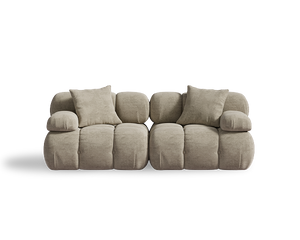
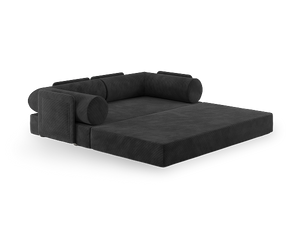
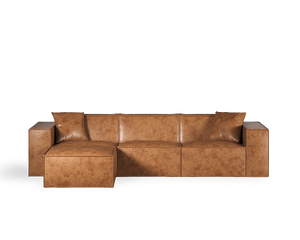
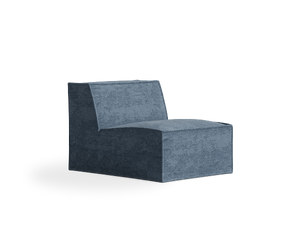
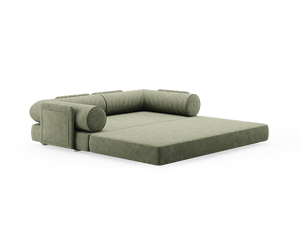



Designing a rustic living room is about more than just choosing the right furniture—it's about creating a warm, inviting space that feels like a cozy retreat from the hustle and bustle of everyday life. Think of it as crafting an inviting haven where natural textures, earthy tones, and timeless pieces come together to tell a story. Ready to transform your space into a rustic oasis? Let's dive into the essentials of achieving that coveted rustic charm, from choosing the perfect sofa to layering textures and adding those final touches that make all the difference.
Embrace Natural Materials
One of the cornerstones of rustic design is the use of natural materials. Wood, stone, and metal are your best friends here. Opt for pieces that showcase the raw beauty of these materials, such as a live-edge coffee table or exposed wooden beams on the ceiling. These elements not only add character but also a sense of authenticity to your space.
When choosing furniture, look for items that highlight the natural grain and knots of the wood. Oak, pine, and walnut are popular choices, each bringing its unique texture and color. Metal accents, such as wrought iron or aged bronze, can complement the warmth of the wood and add a touch of industrial flair.
Stone elements can be incorporated through a fireplace or even a stone accent wall. If you're not ready for permanent changes, consider adding stone-textured wallpaper or a large stone vase. These subtle touches can create a grounded, earthy feel without overwhelming the room.
Choosing the Right Sofa
The sofa is often the focal point of the living room, so choosing the right one is crucial. For a rustic living room, you want a piece that offers both comfort and style. A leather sofa can be an excellent choice, bringing a timeless appeal and durability. However, if leather isn't your thing, consider a fabric sofa with a rough, textured weave.
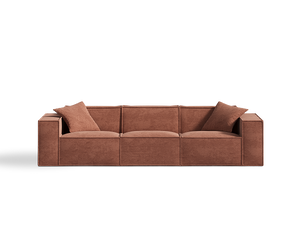
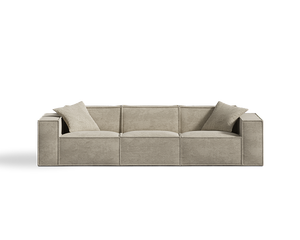
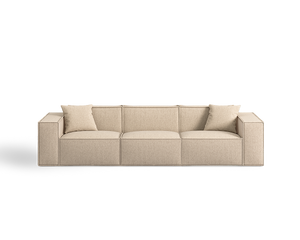
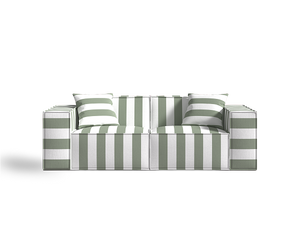
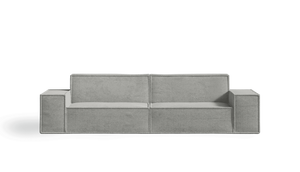
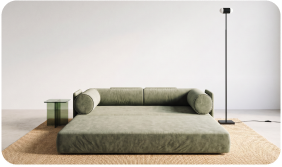
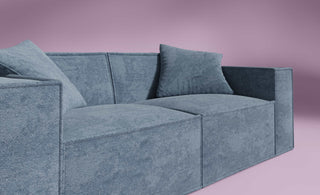
Speaking of sofas, have you seen the Rove Lab M1 Three-Seater Sofa? It combines a minimalist design with a low profile, making it perfect for a rustic setting. Upholstered in a vegan performance weave, it's both stylish and practical, with a stain-resistant fabric that's easy to maintain. Plus, its modularity means you can adapt it to your space with ease.
When selecting your sofa, consider the color palette. Earthy tones like browns, creams, and greens are ideal for a rustic vibe. Pair it with cozy throw pillows in complementary colors, and you've got a sofa that's both inviting and functional.
Layering Textures for Depth
Texture is a vital element in rustic design, adding depth and interest to your living room. Start with a base layer like a jute or sisal rug. These natural fibers provide a tactile foundation that's both durable and visually appealing. Add a plush throw blanket for contrast, balancing the rough textures with soft, cozy elements.
Consider incorporating fabrics like linen or wool into your decor. A set of linen curtains can soften the edges of the room while still allowing natural light to filter through. Wool throws or pillows add warmth and comfort, perfect for those chilly evenings when you want to snuggle up with a good book.
Don't forget the walls! Wood paneling or shiplap can bring a rustic touch to the room. If you're not ready to commit to a full wall treatment, try adding a few reclaimed wood shelves. They're functional and introduce another layer of texture to the space.
Earthy Color Palette
Color plays a significant role in setting the mood of a rustic living room. Stick to warm, earthy tones that evoke a sense of nature and simplicity. Think shades of brown, beige, terracotta, and olive green. These colors create a serene environment and serve as a backdrop for the other elements in the room.
You might consider painting an accent wall in a rich, deep hue like burnt sienna or forest green. This can provide a striking contrast to the lighter elements in the room and add depth to the overall design. If painting isn't an option, incorporate these colors through artwork, textiles, or decorative accessories.
Another way to introduce color is through plants. A well-placed fern or succulent not only adds a touch of green but also contributes to the natural, organic feel of the space. Plus, they help purify the air and bring life into your living room.
Incorporating Vintage and Antique Finds
Adding vintage or antique pieces can infuse your rustic living room with character and history. These items often come with their own stories and can add a unique touch that new furniture simply can't replicate. Look for old wooden chests, vintage lamps, or a beloved armchair that can serve as a focal point.
Thrifting can be a fun adventure and a great way to find one-of-a-kind pieces. Visit local flea markets, antique shops, or estate sales to uncover hidden gems that speak to you. Remember, the charm of rustic design lies in its imperfections, so don't shy away from items with a bit of wear and tear—they add to the authenticity.
If you're lucky enough to have family heirlooms, consider incorporating them into your design. An old quilt or a set of brass candlesticks can add a personal touch and a sense of continuity across generations.
Lighting that Sets the Mood
Lighting is essential for creating a warm and inviting rustic living room. Aim for a mix of ambient, task, and accent lighting to illuminate the space effectively. Start with a central fixture, such as a wrought iron chandelier or a wooden pendant light, to provide general illumination.
For task lighting, consider floor lamps or table lamps with a vintage or industrial design. These can be ideal for reading or other activities that require focused light. If you're looking for something unique, consider a lamp with a stone or ceramic base, which ties into the natural materials theme.
Finally, add accent lighting to highlight specific areas or objects. Wall sconces or string lights can create an intimate, cozy atmosphere. Dimmers are a great addition, allowing you to adjust the brightness to suit the mood or time of day.
Accessorizing with Thoughtful Touches
Accessories are the finishing touches in a rustic living room, adding personality and flair. Consider incorporating items like woven baskets, pottery, or handcrafted objects. These elements bring a sense of craftsmanship and artistry to the space.
Wall art is another avenue for personal expression. Choose pieces that resonate with you, whether it's a landscape painting, a set of botanical prints, or a gallery wall of family photos. Reclaimed wood frames can enhance the rustic vibe and create a cohesive look.
Don't underestimate the power of scent to enhance a space. Candles or diffusers with natural fragrances like cedar, sandalwood, or vanilla can create a welcoming and comforting environment. These are the small details that make a living room feel complete and well-rounded.
Balancing Rustic with Modern Elements
While rustic style is rooted in tradition, there's no reason not to introduce modern elements for a balanced look. A sleek coffee table or a contemporary piece of art can provide a striking contrast against the rustic backdrop, creating visual interest.
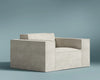
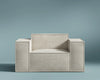
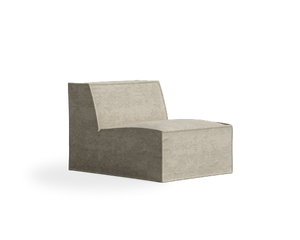
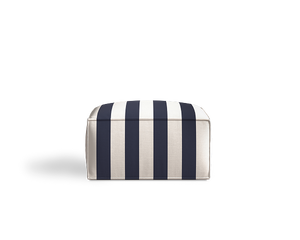
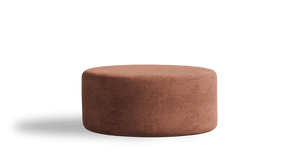
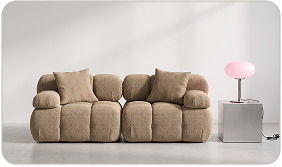
The Rove Lab M1 Ottoman Sofa Seat is a prime example of modern design that seamlessly fits into a rustic living room. Its minimalist aesthetic and stain-resistant fabric make it both a stylish and practical seating option, providing a versatile surface for trays and books.
By combining old and new, you can achieve a dynamic and layered design that feels both timeless and current. It's all about finding the right balance and ensuring that each piece complements the overall aesthetic.
Creating a Focal Point
Every living room benefits from a focal point—an element that draws the eye and anchors the space. In a rustic living room, this could be a fireplace, a large window with a view, or a striking piece of furniture. Consider what you want to highlight and arrange your furniture accordingly.
If you have a fireplace, make it a feature by decorating the mantel with candles, vases, or seasonal decor. A large piece of art above the fireplace can also serve as a striking focal point. If your living room lacks a built-in feature, create one with a gallery wall or a large bookcase filled with books and decorative objects.
Once you've established your focal point, arrange your seating to face it. This not only highlights the element but also creates a comfortable and functional seating arrangement for conversation and relaxation.
Final Thoughts
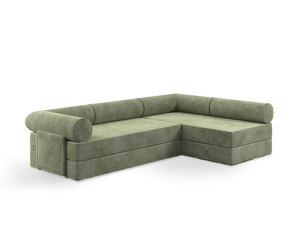
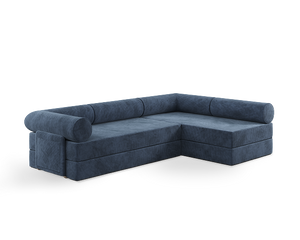
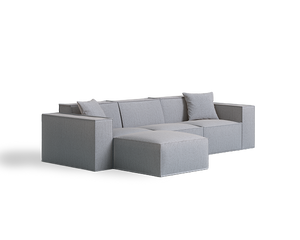
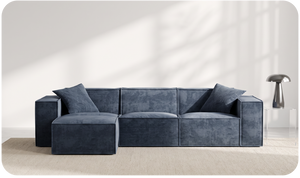
Designing a rustic living room is about more than just aesthetics—it's about creating a space that feels like home. By embracing natural materials, layering textures, and incorporating personal touches, you can craft a room that is both inviting and uniquely yours. If you're looking for versatile and stylish pieces to complement your space, check out the Rove Lab M1 Sectional Sofa. Its modular design and durable fabric make it a perfect choice for any rustic living room, combining comfort with a touch of modernity.