![Rove Lab™ [Canada]](http://rovelab.ca/cdn/shop/files/ffd50d6b335e43f560dde12ee492d89e_5.svg?v=1792150825)

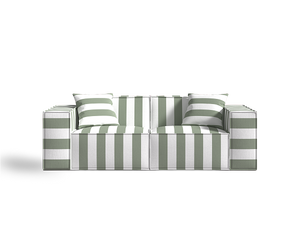
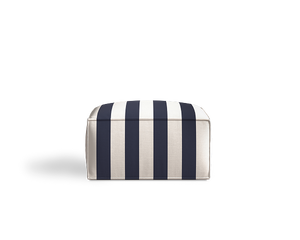
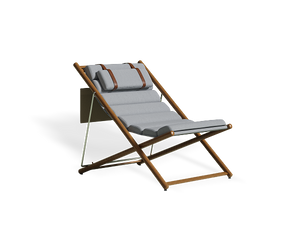
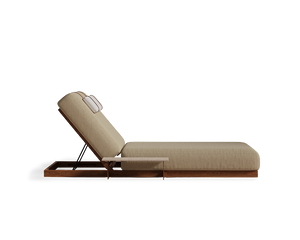

Designing an L-shaped living room and dining room can seem like solving a puzzle, but the results can be stunning. This layout pushes you to think creatively to maximize your space while keeping it functional and elegant. You want each area to fulfill its purpose, yet blend seamlessly into a cohesive environment. Let's explore some clever strategies to create an L-shaped living and dining space that reflects your personal style while meeting your practical needs.
Understanding the L-Shaped Layout
The L-shaped layout is favored by city dwellers and open-plan enthusiasts because it naturally divides a space into two distinct zones. Imagine the letter 'L'—the longer part of the 'L' could house the living room, while the shorter part could be your dining area, or vice versa. This design not only offers an intuitive flow between areas but also a cozy separation without the need for walls.
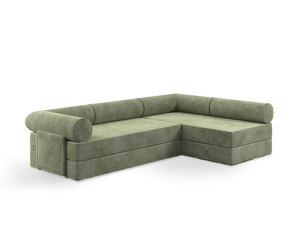
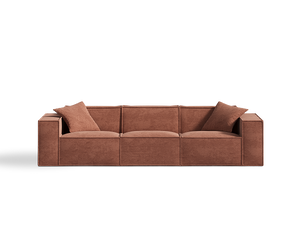
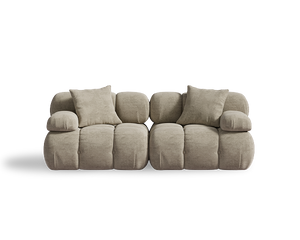
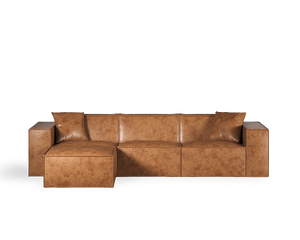
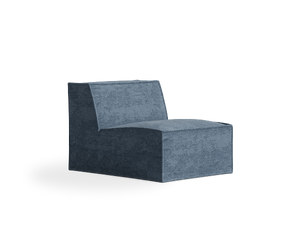
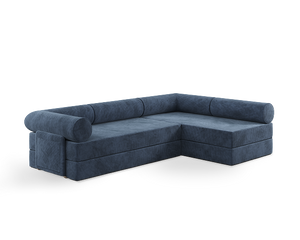
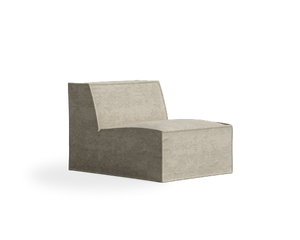
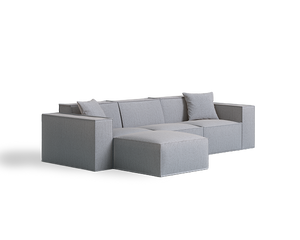
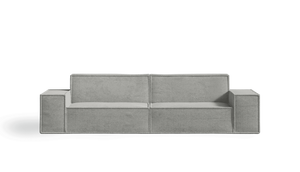
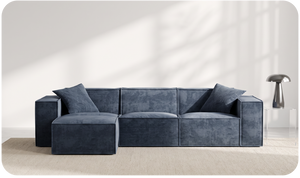
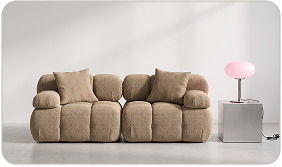
One of the main advantages of this layout is its flexibility. You can easily adapt it to your lifestyle and space constraints. Whether you're in a city apartment or a spacious suburban home, the L-configuration can be adjusted to meet your needs. This is where modular furniture, like the M1 Sectional Sofa from Rove Lab, can make all the difference. Its adaptable design allows you to reconfigure your seating arrangement as needed, ensuring a perfect fit for your space.
Furthermore, the L-design encourages a natural flow of movement, guiding guests from one area to another without awkward interruptions. It's the perfect setup for entertaining, as it allows you to maintain conversation whether you're serving dinner or relaxing on the sofa.
Defining Each Zone
In an L-shaped room, clearly defining each zone is essential to create distinct, functional spaces. Start by deciding which part of the 'L' will serve as the living room and which will be the dining room. Consider your lifestyle and the primary purpose of the space. Do you frequently host dinner parties, or do you prefer cozy movie nights? Your answer will guide your choice.
Once the locations are chosen, use rugs to anchor each section. A plush rug under the seating area can define the living room, while a durable, easy-to-clean rug under the dining table can anchor the dining space. Remember, the rugs don't have to match, but they should complement each other to maintain cohesion.
Lighting also plays a crucial role in defining zones. Use a pendant light or chandelier above the dining table to draw attention to that area. Meanwhile, consider floor lamps or wall sconces for the living room to create a warm, inviting atmosphere. The balance of light will help distinguish the spaces while keeping the overall look consistent.
Choosing the Right Furniture
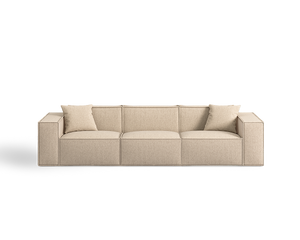
In any interior design, furniture selection is crucial, but it's especially important in an L-shaped layout where space can be at a premium. Opt for pieces that offer both functionality and style. For the living room, a sectional sofa, like the M1 Sectional Sofa, can be ideal. Its modularity allows you to adapt the configuration to your space, whether you need more seating or want to create a cozy nook.
In the dining area, a round or oval table can work wonders for maximizing space and facilitating movement. These shapes are also excellent for encouraging conversation, making them perfect for social gatherings. If you're short on space, consider a drop-leaf or extendable table that can expand as needed but remains compact for everyday use.
Don't forget about storage. Choose furniture that doubles as storage, such as a buffet or a coffee table with drawers. This keeps the space tidy and clutter-free, essential in a multi-functional area.
Colors and Patterns That Work
Color is a powerful tool in interior design, capable of transforming a space and influencing mood. In an L-shaped room, you want to maintain a cohesive color palette that ties the zones together while allowing each to have its personality.
Neutral tones are always a safe bet, providing a timeless backdrop that lets your furniture and decor shine. Shades of white, beige, and gray can create a serene and sophisticated environment. To add depth and interest, incorporate pops of color through accessories like throw pillows, blankets, and artwork. Consider using the same accent color in both areas for a harmonious look.
Patterns can also add character to your space. Whether it's a bold geometric print on your rug or a subtle texture on your sofa fabric, patterns can create visual interest and help define each zone. Just remember to balance them with solid colors to avoid overwhelming the space.
Maximizing Light and Space
Lighting can make or break your L-shaped living and dining room. Natural light is ideal, so if you have windows, make the most of them. Keep window treatments light and airy to let in as much daylight as possible. Mirrors can also work wonders by reflecting light and making the space feel larger.
For artificial lighting, a layered approach works best. Combine ambient lighting, such as ceiling fixtures, with task lighting, such as table lamps or under-cabinet lights. This approach ensures that each area is well-lit for its intended use, whether for dining, reading, or relaxing.
Speaking of space, furniture arrangement can greatly influence how open or cramped an area feels. In smaller spaces, keep furniture against the walls to create the illusion of a larger footprint. Select pieces with slim profiles and elevated legs to enhance the sense of space. And remember, less is often more—avoid overcrowding the room with too many items.
Integrating Personal Touches
Your home should reflect your personality, and an L-shaped living and dining room is no exception. Personal touches make the space unique, so don't be afraid to incorporate elements that speak to your style and interests.
Art is an excellent way to inject personality into your space. Whether it's a large statement canvas or a carefully curated gallery wall, art adds color, texture, and interest. Choose pieces that resonate with you and complement your overall design scheme.
Plants are another great addition, bringing life and nature into your home. They are versatile and can fit almost anywhere—from a large floor plant in the corner to a small succulent on the dining table. Plus, they improve air quality and add a pop of color.
Finally, don't overlook the power of textiles. Throw pillows, blankets, and curtains offer an easy way to change your decor with the seasons or as your tastes evolve. They are also an opportunity to play with colors and patterns without making a permanent commitment.
Creating a Cohesive Flow
Achieving a cohesive flow in an L-shaped layout involves more than just matching colors and furniture styles. It's about creating a space that feels connected yet distinct. One way to achieve this is to maintain a consistent design style throughout both areas. Whether it's modern, rustic, or eclectic, stick to your chosen style to ensure continuity.
Another strategy is to repeat key elements in both spaces. This could be a recurring color, material, or pattern. For example, if you have a navy sofa in the living room, consider navy dining chairs or a rug in the dining area. This repetition visually ties the rooms together.
Finally, ensure that the transition between the living and dining areas is seamless. Avoid barriers like large pieces of furniture or overly different flooring. Instead, let the space flow naturally, guiding the eye and movement through the room without interruption.
Flexibility and Future-Proofing
An L-shaped living and dining room should be as flexible as you are. Life is unpredictable, and your needs may change over time. That's why it's important to design a space that can adapt to whatever comes your way.
Modular furniture, like the M1 Sectional Sofa from Rove Lab, offers the ultimate flexibility. Its modular design allows you to rearrange and expand seating as needed, ensuring it fits your space no matter what life throws at you. Plus, its durable, spill-resistant fabric means you don't have to worry about little accidents.
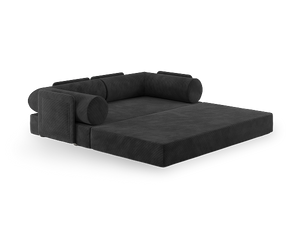
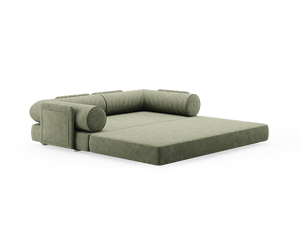
When choosing furniture and decor, consider pieces that serve multiple functions. A console that doubles as a desk, a bench with storage, or a sofa bed for guests can all provide added value and functionality. This approach ensures that your space remains practical and efficient, no matter how your needs evolve.
Accessorizing with Intention
Accessories are the finishing touches that bring your L-shaped living and dining room to life. They are an opportunity to express your style and add personality to the space, but it's important to accessorize with intention to avoid a cluttered look.
Start with a focal point. In the living room, this could be a striking piece of art or a bold rug. In the dining room, consider a stunning light fixture or an eye-catching centerpiece. These focal points draw the eye and anchor each space.
Next, add layers of interest with smaller decor pieces. This could include vases, candles, or books. Group items in odd numbers for a more visually appealing arrangement, and vary heights and textures to create depth.
Finally, remember that less is often more. Avoid overcrowding surfaces with too many items. Leave some areas open to let the space breathe and allow your carefully chosen accessories to shine.
Final Thoughts
Designing an L-shaped living and dining room is about finding the perfect balance between style and function. By defining each zone, choosing the right furniture, and incorporating personal touches, you can create a space that feels cohesive and inviting. Remember, the beauty of this layout lies in its flexibility, allowing you to adapt as your needs change. For a versatile and elegant solution, consider the M1 Sectional Sofa from Rove Lab. Its modular design and durable fabric make it a perfect choice for any L-shaped layout, ensuring your space remains both beautiful and functional for years to come.