![Rove Lab™ [Canada]](http://rovelab.ca/cdn/shop/files/rovelab_logo.svg?v=1781628572)





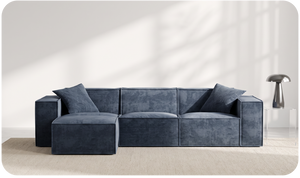
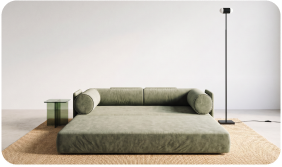
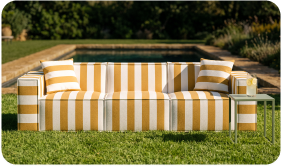
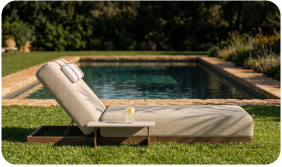
Blue is a color that exudes calm, serenity, and a touch of sophistication. When it comes to furnishing a living room, incorporating a blue palette can transform your space into a tranquil oasis or a lively hub, depending on the shades you choose. But where to begin when creating a blue color palette that suits your living room? From selecting the perfect furniture to choosing complementary hues, we'll guide you through creating a cohesive and inviting blue space.
Why Blue Works in Living Rooms
Blue is more than just a color; it's an emotion. It has the unique ability to make a room feel expansive and airy or warm and intimate, all depending on the shades and tones you choose. Lighter blues can evoke a sense of calm and tranquility, making them perfect for smaller spaces where you want to feel open and relaxed. On the other hand, deep blues add a dose of drama and can create a luxurious and mysterious setting, perfect for entertaining or unwinding after a long day.
Beyond aesthetics, blue is a versatile canvas that pairs well with practically any other color. Whether you're blending warm tones like yellows and oranges for a vibrant contrast or going for a monochromatic scheme with varying shades of blue, this color offers endless possibilities. Plus, blue is universally appealing; you're unlikely to find someone who strongly objects to a good shade of blue.
Choosing the Right Shade of Blue
The first step in designing your blue color palette is to choose the right shade. Not all blues are created equal. Some bring light and air, while others can make a room feel more enclosed and intimate. Let's break them down:
- Light Blues: Perfect for opening up small spaces. They reflect more light and can make a small room feel larger. Think sky blue or a soft powder blue.
- Medium Blues: These shades, like steel blue or cornflower blue, strike a balance between light and dark, offering a sense of calm without being too cool.
- Dark Blues: Want to create a space that feels like a cozy retreat? Deep navy or midnight blue can add a sense of luxury and depth.
Once you've selected your main shade, consider the overall mood you want to create. Is it a casual, airy atmosphere or an intimate, elegant vibe? Your choice of blue should align with that vision.
Complementary Colors: Building Your Palette
With your main shade of blue in hand, it's time to think about complementary colors. The right accents can make or break a space. Blue pairs beautifully with a range of colors, and here are a few winning combinations:
- Blue and White: A classic duo that never goes out of style. Crisp white against blue creates a fresh and timeless look.
- Blue and Gray: For a modern and sophisticated ambiance, pair blue with soft grays. This combination is understated yet refined.
- Blue and Yellow: If you're feeling adventurous, adding pops of yellow can inject energy and cheerfulness into your room.
- Blue and Brown: Earthy browns add warmth and balance cooler blue tones, creating a cozy atmosphere.
When building your palette, think of it like a symphony where blue is your conductor and the other colors are the accompanying instruments. You want a harmonious blend that's pleasing to the eye.
Choosing Furniture That Complements Blue
Furniture plays a crucial role in shaping any living room, so choosing pieces that complement your blue palette is essential. You'll want to consider materials, colors, and textures that enhance your chosen blue hues.
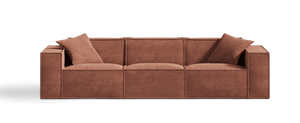
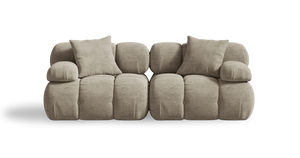
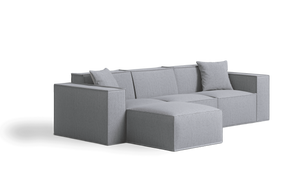
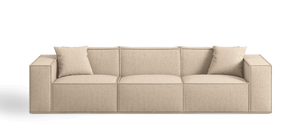
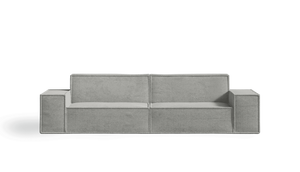
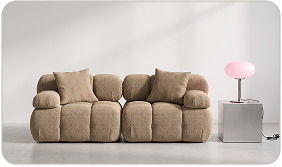
For instance, a Rove Lab M1 Three Seater Sofa in a neutral or complementary shade can serve as the perfect anchor for your space. Its minimalist design and stain-resistant fabric make it both stylish and practical, ensuring it withstands the test of time.
When it comes to materials, wood tones add warmth and depth, while metallic finishes can contribute to a sleek, modern look. Don't be afraid to experiment with textures—adding a plush rug or velvet cushions can introduce an element of luxury to your living room.
Choosing the Perfect Wall Color
Choosing the right wall color can dramatically influence the overall feel of your living room. If you want to achieve a light and airy atmosphere, consider painting your walls a soft blue or a neutral shade that complements your main blue. On the other hand, if you're aiming for a more dramatic look, a darker blue or even a deep gray can create a sophisticated backdrop.
Accent walls are another way to introduce blue without overpowering the space. A single wall painted in a bold blue can add depth and focus, especially when paired with lighter furniture and décor.
Accessorizing: The Finishing Touches
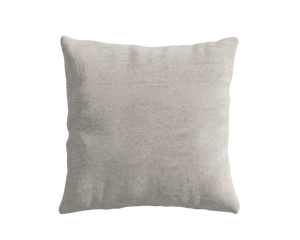
No living room is complete without accessories, and this is where you can have fun with your blue palette. Think of throw pillows, blankets, artwork, and decorative objects as your playground. They are easy to swap out and can drastically change the mood of your room.
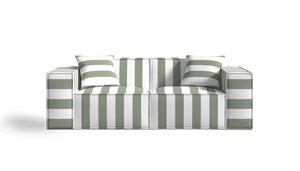
- Pillows and Throws: Mix and match patterns and textures. A blend of solid blues, stripes, and floral patterns can add interest and depth.
- Art and Décor: Consider blue-themed artwork or ceramics to tie the room together. Even a simple vase with blue accents can make a statement.
- Rugs: A well-chosen rug can anchor the room and add warmth. Opt for a pattern that incorporates your blue tones as well as complementary colors.
Accessories are the icing on the cake, so don't be afraid to mix and match different styles to find what suits your space.
Lighting: Setting the Mood
Lighting can make or break a room. It's not just about function; it's about creating an atmosphere. In a blue-themed living room, the right lighting can enhance the color scheme and set the mood.
Consider layering different types of lighting:
- Ambient Lighting: This is your main source of light, such as overhead fixtures or recessed lighting. Soft or warm white bulbs can balance the coolness of blue.
- Task Lighting: Floor lamps or table lamps provide focused light for reading or working. Choose lamps with unique designs that complement your décor.
- Accent Lighting: Highlight artwork, architectural features, or specific areas of the room with accent lighting, such as spotlights or LED strips.
With thoughtful lighting choices, you can create a living room that's not only functional but also inviting and cozy.
Creating Flow: Connecting Spaces
In open-concept homes, creating a sense of continuity between spaces is important. You want your blue-themed living room to feel connected to adjacent areas without clashing. Here are a few tips for ensuring a harmonious transition:
- Use a Consistent Color Scheme: Extend elements of your blue palette into neighboring rooms with accents or small decorative items.
- Repeat Patterns and Textures: If you have a patterned rug in the living room, consider using similar patterns in the dining area or kitchen for continuity.
- Coordinate Furniture Styles: While you don't want an overly matched look, choosing furniture with a similar style or material can help tie spaces together.
The goal is to create a cohesive look that feels intentional and harmonious, making your home feel more expansive and welcoming.
Experimenting with Patterns and Textures
Patterns and textures can add so much personality to a space, and when working with a blue color palette, they offer a way to introduce variety and intrigue without overwhelming the senses.
Consider mixing different patterns like stripes, geometrics, or florals in your soft furnishings, such as throw pillows or curtains. Textures like velvet, linen, or jute can add depth and richness to your decor, creating a more tactile and inviting environment.
When mixing patterns, the key is balance. Too many bold patterns can clash, but a well-curated mix can bring your blue living room to life. Use patterns to draw the eye and create focal points, while textures can soften and add warmth to the overall aesthetic.
Final Thoughts
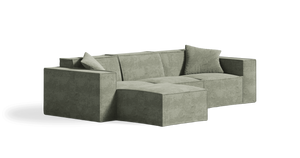
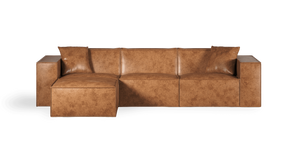
Designing a blue color palette for your living room can be a delightful journey of discovery. Whether you lean towards a serene and airy vibe or a bold and dramatic setting, blue offers an array of possibilities. As you furnish your space, remember that the choices you make should reflect your personal style and how you want to feel when you step into the room. Consider investing in pieces like the Rove Lab M1 Sectional Sofa, which offers both style and versatility, allowing your living room to evolve with your tastes over time. Enjoy creating a space that speaks to you and invites others in with warmth and style.