![Rove Lab™ [Canada]](http://rovelab.ca/cdn/shop/files/ffd50d6b335e43f560dde12ee492d89e_5.svg?v=1792150825)




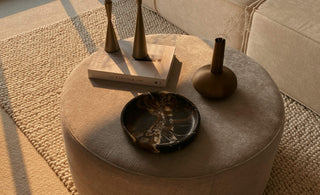
Feng Shui is more than just rearranging furniture; it's about creating a space that feels good to be in. Imagine your living room as a sanctuary, not just a place to drop your keys and flop onto the sofa. If you live in a compact apartment or a small city dwelling, you know how important it is to maximize every inch. So, let's talk about how to Feng Shui your living room without making it a mystical headache.
Understanding the Basics of Feng Shui
Before you start rearranging your living room, it's important to understand a few core principles of Feng Shui. Think of it as guiding the flow of energy, or "Chi," which is believed to influence health, happiness, and even your fortune. It’s not just about aesthetics; it’s about a balanced and harmonious space.
Here are a few basic principles:
- The Bagua Map: This is essentially a grid that helps you analyze your space. It aligns with different life areas like wealth, love, and health.
- The Five Elements: Wood, fire, earth, metal, and water are the building blocks of Feng Shui. Each element has its characteristics and can be represented by colors, shapes, and materials.
- Yin and Yang: This principle emphasizes balance. Yin is passive and calming, while Yang is active and vibrant. Your living room should have a harmonious mix of both.
With these principles in mind, you’re not just decorating; you’re setting the stage for a more positive living environment.
Choosing the Right Furniture
Furniture plays a crucial role in Feng Shui, so choose pieces that promote good energy flow. The key is to avoid clutter and select items that fit the scale of your space. Let’s break it down:
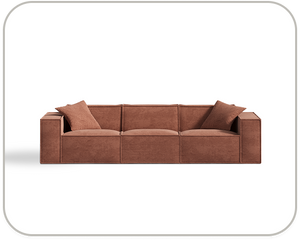
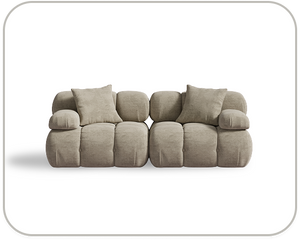
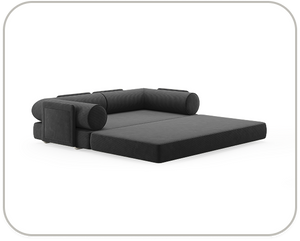
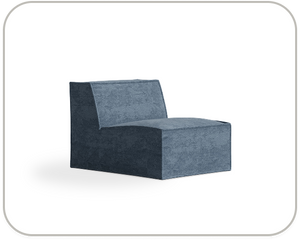
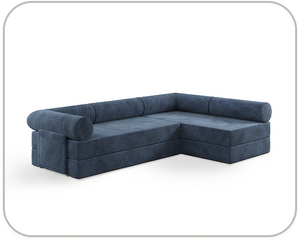
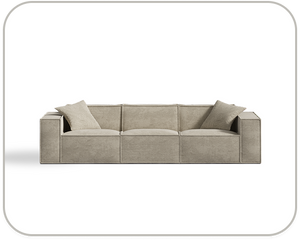
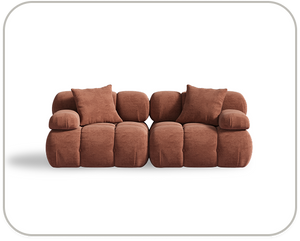
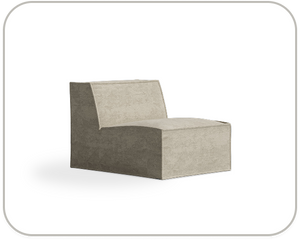
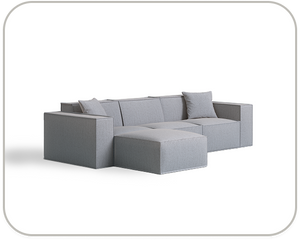
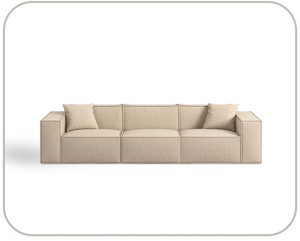
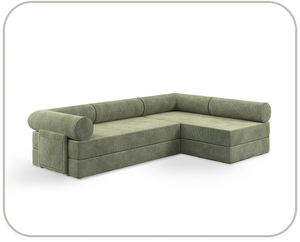
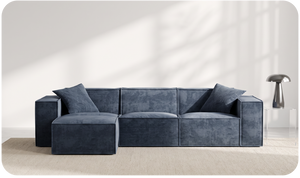
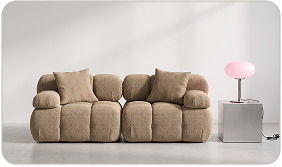
- Sofas and Sectionals: Opt for seating that encourages conversation and connection. A U-shaped or L-shaped sectional can be ideal for a family room. Rove Lab’s M1 Sofa Sectional offers modular flexibility, allowing you to adapt it easily to your space.
- Coffee Tables: Avoid sharp edges, which can create "poison arrows" in Feng Shui terms. Instead, choose rounded or oval shapes to soften the energy of the room.
- Storage Solutions: Clutter disrupts energy flow, so invest in stylish storage options that keep your living room neat and inviting.
When choosing furniture, think of it as more than just a place to sit or store items. Each piece should contribute to the overall balance and harmony of the room.
Arranging Your Space for Optimal Flow
Once you have the right furniture, it’s all about positioning it. The layout can significantly impact how energy flows through your space. Here’s how to get it right:
- Sofa Placement: The sofa should be placed against a solid wall, if possible, to provide a sense of stability and support. Avoid blocking walkways with furniture.
- TV and Electronics: These often dominate living rooms, but they shouldn’t be the focal point. Consider concealing cables and minimizing electronic clutter.
- Clear Pathways: Ensure there are no obstructions to the flow of movement around the room. Clear pathways encourage positive energy circulation.
By thoughtfully arranging your furniture, you create a space that feels tranquil and inviting, rather than chaotic.
Incorporating the Five Elements
The five Feng Shui elements—Wood, Fire, Earth, Metal, and Water—each bring unique energies. Incorporate them into your decor to achieve balance.
- Wood: Represents growth and vitality. Add wooden furniture or green plants.
- Fire: Symbolizes passion and energy. Candles or a fireplace can introduce this element.
- Earth: Provides stability and nourishment. Earthy tones in your decor or ceramics can work well.
- Metal: Represents clarity and precision. Metallic decor or light fixtures can incorporate this element.
- Water: Symbolizes abundance and flow. Incorporate mirrors or a small fountain.
Balance these elements to create a harmonious environment that feels both dynamic and peaceful.
Color Choices and Their Meanings
Colors have a significant impact on mood and energy, making them an important aspect of Feng Shui. Consider the following when choosing your palette:
- Red: Represents energy and passion. Use it sparingly as an accent color.
- Blue: Brings calm and tranquility. Ideal for creating a serene atmosphere.
- Green: Symbolizes growth and renewal. Incorporate it through plants or decor.
- Yellow: Represents cheerfulness and warmth. Perfect for inviting positivity.
- White: Evokes purity and simplicity. Use it to create a sense of spaciousness.
Choose colors that align with the energy you want to invite into your living room.
Balancing Light and Shadow
Lighting is a crucial component of Feng Shui. It affects the energy and mood of your space. Here’s how to strike the right balance:
- Natural Light: Maximize natural light with sheer curtains or blinds. This is the best way to bring positive energy into your home.
- Artificial Light: Use a mix of general and accent lighting to create a warm and inviting space.
- Candles: Add candles to introduce both light and the fire element, creating a cozy atmosphere.
Lighting should not only illuminate your space but also enhance its energy and ambiance.
Decluttering and Organizing
Clutter is the enemy of good Feng Shui. It blocks energy flow and can make your space feel chaotic. Here’s how to keep it under control:
- Regular Purging: Make a habit of tidying up and putting things away.
- Storage Solutions: Use baskets, shelves, and drawers to keep clutter out of sight.
- Minimalism: Keep only what you love and use regularly to maintain a clear space.
Keeping your living room organized will help maintain a positive energy flow and create a more relaxing environment.
Personal Touches and Decor
Your living room should reflect who you are. Personal touches make the space unique while still adhering to Feng Shui principles.
- Artwork: Choose pieces that inspire and uplift you. Avoid images that evoke negative feelings.
- Plants: Bring life and energy into your space. Choose low-maintenance varieties if you don’t have a green thumb.
- Sentimental Items: Display cherished objects that bring joy and positive memories.
Personalizing your space in this way makes it more inviting, while also embracing the balance and harmony of Feng Shui.
Maintaining the Energy
Once you’ve Feng Shui'd your living room, maintaining the energy is crucial. Feng Shui isn’t a one-time setup; it’s an ongoing practice.
- Regular Updates: Refresh your space with the seasons or as your life changes.
- Mindful Living: Be conscious of the energy you bring into your space. Stay positive and open to change.
- Energy Cleansing: Use techniques like smudging or essential oils to clear stagnant energy.
By maintaining the energy in your living room, you ensure it remains a place of tranquility and positivity.
Final Thoughts
Feng Shui is all about creating a space that feels good to be in, and your living room is the perfect place to start. By incorporating these principles, you can transform your space into a harmonious and inviting environment. For a touch of modern design and versatility, consider adding pieces like Rove Lab’s M1 Sofa Sectional. It’s designed to evolve with your space and lifestyle, making it a perfect choice for any Feng Shui living room.