![Rove Lab™ [Canada]](http://rovelab.ca/cdn/shop/files/rovelab_logo.svg?v=1781628572)








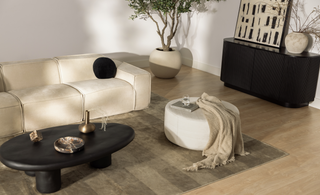
Choosing images for your living room can be a surprisingly powerful way to express your personality and transform your space. It's not just about filling walls, but about creating an environment that feels uniquely you. So, how do you pick the right artwork that not only complements your décor but also resonates with you on a personal level? Let's dive into everything you need to know about selecting the perfect images for your living room.
Understanding Your Space
Before you begin selecting images, it's crucial to understand the space you're working with. Consider the size of your living room, the amount of natural light it receives, and the existing color scheme and décor. Is your living room a cozy nook or a sprawling open space? Each of these elements will influence the type of art that will best suit it.
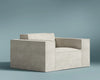
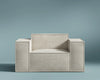
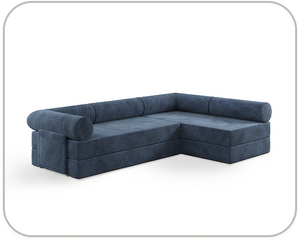
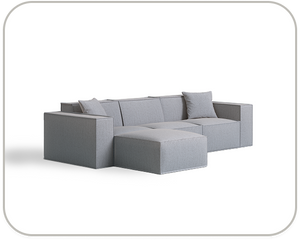
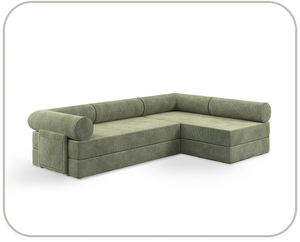
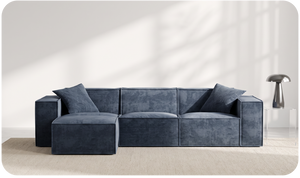
For smaller spaces, you might want to shy away from very large, imposing pieces. Instead, opt for smaller works or a series of pieces that can create a gallery wall effect without overwhelming the space. For larger rooms, a big, statement piece can act as a focal point and help to anchor the room. Rove Lab's M1 Sectional Sofa (M1 Sofa Sectional) can complement any artwork with its minimalist design and adaptable layout.
Think about the wall space you have available. If you have plenty of walls to cover, you might consider a mix of large and small pieces to add variety and interest. Conversely, if you're working with limited wall real estate, a single striking piece might be all you need to make an impact.
Choosing a Theme or Style
When it comes to art, style matters. Do you lean towards modern art, abstract pieces, or perhaps something a bit more classical? Choosing a theme or style for your living room art can tie the whole room together and reflect your personal taste.
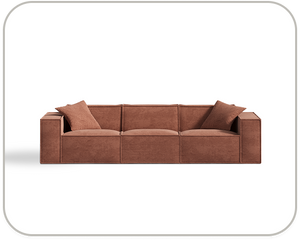
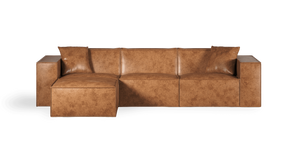
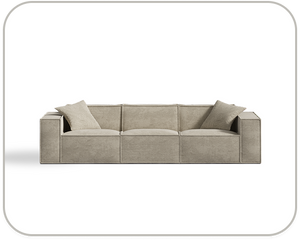
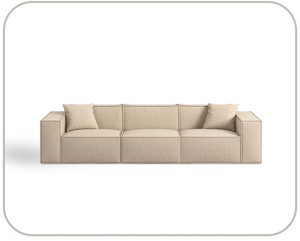
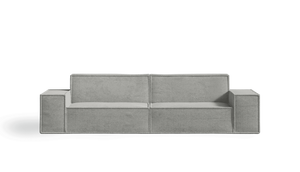
If your living room features modern furniture, such as Rove Lab's sleek M1 Three Seater Sofa, contemporary art with bold colors or geometric designs might be the perfect complement. Alternatively, if your décor is more traditional, you might opt for classic landscapes or portraits to harmonize with the overall look.
Another approach is to consider the mood you want to create. Do you want your space to feel serene and calming, or vibrant and energetic? The art you choose can significantly influence the room's atmosphere. Cool tones and soft pastels can create a peaceful environment, while bright colors and dynamic compositions can energize the space.
Playing with Colors
Color is a powerful element in both art and design. The colors in your artwork should complement the existing color scheme in your living room. This doesn't mean everything has to perfectly match, but the colors should work together to create a cohesive look.
If your living room is dominated by neutral tones, adding art with vibrant colors can provide a striking contrast and bring life to the space. Conversely, if your room is already colorful, you might opt for artwork with more subdued hues to avoid overwhelming the eye.
Consider using a color wheel to find complementary colors. For instance, if your living room has a lot of blues, consider artwork with orange or gold tones, as these are complementary colors that will enhance the space. On the other hand, monochromatic artwork can create a sophisticated and understated look that ties the room together effortlessly.
Mixing and Matching Different Art Forms
Don't limit yourself to just paintings or photographs. Mixing different art forms can add depth and interest to your living room. Consider incorporating sculptures, textiles, or even digital art to create a diverse and engaging artistic display.
Sculptures or 3D art pieces can add a new dimension to your room, both literally and figuratively. They can be placed on shelves, tables, or even the floor, depending on the size and style. Textiles, such as tapestries or quilts, can add warmth and texture, making the space feel more inviting. Digital art is also becoming increasingly popular, offering endless possibilities for customization and interaction.
By combining different types of art, you can create a dynamic and layered look. Just make sure to balance the various elements, so the space doesn't feel chaotic or cluttered. The goal is to create a harmonious blend that reflects your personal style.
Considering Framing and Presentation
How you frame and present your art can make a significant difference in how it's perceived. A good frame can enhance the artwork and help it blend with your décor.
When choosing frames, consider the style and color of the artwork as well as the overall aesthetic of your living room. A sleek, modern frame might work well with contemporary art, while a more ornate frame might complement a traditional piece. Alternatively, opting for a frameless look can provide a clean, minimalist feel that lets the art speak for itself.
Placement is another key consideration. Art doesn't always have to be hung on the wall. Leaning a large piece against the wall or placing it on a shelf can create a relaxed, casual vibe. Consider using picture ledges to display multiple pieces, allowing you to easily swap them out and rearrange them whenever you feel like a change.
Creating a Focal Point
Art can serve as a focal point in your living room, drawing the eye and anchoring the space. When selecting a piece to be the focal point, consider its size, color, and subject matter. It should stand out from the rest of the décor and command attention.
A large, bold piece above your sofa or fireplace is a classic way to create a focal point. If you have a smaller living room, a series of smaller pieces grouped together can achieve a similar effect. The key is to ensure the focal point is prominent and draws the viewer's eye as soon as they enter the room.
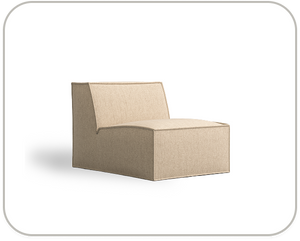
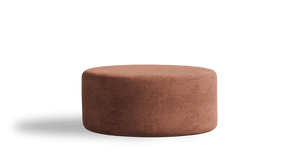
Remember, art doesn't have to be loud or colorful to be a focal point. Even a black and white photograph can be striking if presented in the right way. Rove Lab's M1 Ottoman Sofa Seat, for instance, can also act as a physical focal point, providing a place for visitors to admire your artwork from a comfortable vantage point.
Personal Touches and Sentimental Value
While aesthetics are important, don't forget the emotional aspect of art. Personal touches and pieces with sentimental value can add warmth and character to your living room. Whether it's a family portrait, a painting by a loved one, or a photograph from a memorable trip, these pieces can make your space uniquely yours.
Incorporating personal art doesn't mean sacrificing style. You can blend personal pieces with other artwork to create a balanced look. Just make sure the personal art is displayed in a way that complements the rest of the décor. This might mean choosing a similar frame style or placing it in a prominent position that highlights its importance to you.
Remember, your living room should reflect your personality and tell your story. Don't be afraid to include pieces that don't fit a particular trend or theme but hold personal meaning. It's often these pieces that truly make a house a home.
Rotating Art and Keeping It Fresh
Art doesn't have to be static. Rotating your artwork can keep your living room feeling fresh and interesting. This is especially helpful if you have a collection of art that you love but not enough wall space to display everything at once.
Consider rotating pieces seasonally or whenever you feel like a change. This can be as simple as swapping out works from one room to another or changing the arrangement on your walls. Picture ledges and gallery walls make it easy to change up your display without having to re-hang everything.
Rotating art can also be a way to experiment with different arrangements and styles. It allows you to see what works best in your space and gives you the freedom to update your décor without making permanent changes. This approach can be particularly helpful in smaller spaces, where flexibility is key.
Finding Art That Resonates
Ultimately, the art you choose should resonate with you. It should be something you love to look at and that brings you joy. Don't feel pressured to pick art just because it's trendy or because it matches your sofa. Your living room is your personal space, and the art should reflect that.
Take your time in selecting art. Visit galleries, browse online art platforms, and consider commissioning pieces from local artists. The right piece might not be found overnight, but the process of discovering art that speaks to you can be incredibly rewarding.
Remember, art is subjective. What matters most is how it makes you feel. The right artwork can transform your living room into a space that is both beautiful and personal, a true reflection of who you are.
Final Thoughts
Choosing the right images for your living room is not just about aesthetics; it's about creating a space that feels like home. Whether it's incorporating modern art that complements your Rove Lab M1 Three Seater Sofa or mixing in personal pieces with sentimental value, the art you choose should resonate with you. Remember, your living room is a reflection of your personality and style, so let your art tell your story.