![Rove Lab™ [Canada]](http://rovelab.ca/cdn/shop/files/ffd50d6b335e43f560dde12ee492d89e_5.svg?v=1792150825)











Choosing the right art for your living room can feel as significant as selecting the perfect sofa or loveseat. Art has the power to transform a space, adding personality and flair in a way no other element can. Whether you're a first-time homeowner or living in a cozy city apartment, finding art that speaks to you and complements your living room layout is key. This article will guide you through the process, from understanding your personal taste to balancing art with your furnishings, ensuring your living room becomes a true reflection of you.
Understanding Your Space and Style
Before you start browsing galleries or scrolling through online art shops, it's crucial to understand the space you're working with. Consider the size and layout of your living room. Is it a small nook in a bustling city apartment, or do you have a spacious area with high ceilings? The dimensions will influence not only the size of the art you choose but also how many pieces you can comfortably display.
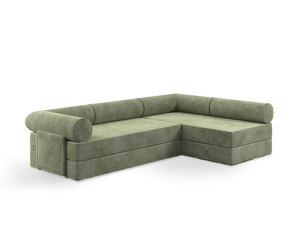
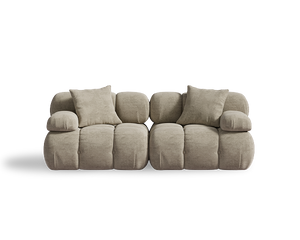
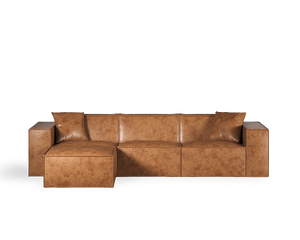
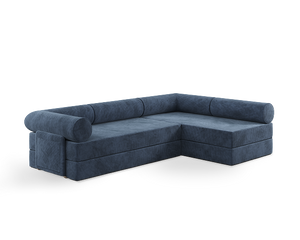
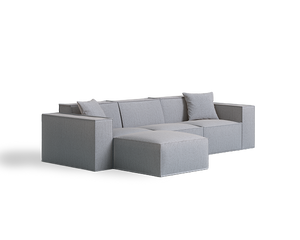
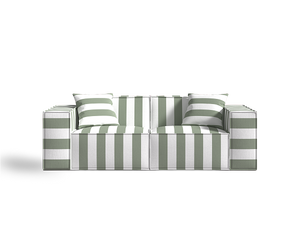
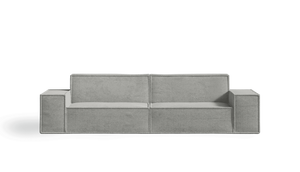
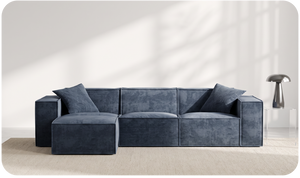
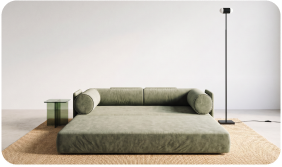
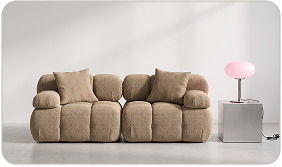
Next, think about your style. Are you drawn to modern, minimalist designs, or do you prefer something more traditional? Your furniture can give you a hint. For instance, if you have a M1 Sofa Sectionnel from Rove Lab, its minimalist design might pair well with contemporary art pieces that reflect its clean lines and simplicity. Conversely, a more classic-style sofa might call for vintage or impressionistic art.
Don't forget about color. Consider your room's existing color palette. If your walls, furniture, and accessories are neutral in tone, a bold piece of art can add a vibrant focal point. On the other hand, if your room is already colorful, you might want to choose art that complements rather than competes with the existing hues.
Choosing the Type of Art
Art isn't one-size-fits-all, and neither is the type of art you choose for your living room. Here are a few options:
- Paintings: These can range from abstract to landscapes. Paintings offer a broad range of styles and color palettes to choose from.
- Photography: Black and white photos can add a sophisticated touch, while colorful images can brighten up a space.
- Sculptures: If wall space is limited, consider sculptures or 3D art. These can add depth and a tactile element to your decor.
- Mixed Media: By combining different materials and techniques, mixed media pieces can add texture and intrigue.
Each type of art brings something unique, so consider what resonates personally with you. Perhaps a powerful photograph evokes certain emotions, or a sculpture adds an unexpected element to the room.
Considering Size and Scale
The size of your art piece can dramatically affect the overall look and feel of your living room. A large statement piece can serve as a focal point, drawing the eye and anchoring a room. However, if your space is limited, such as in an apartment without an elevator, a massive canvas might overwhelm the area. In such cases, a series of smaller pieces might create a cohesive gallery wall that adds interest without taking over.
When considering size, think about balance. If you have a large sectional sofa, like the M1 Sofa Sectionnel, above it, a substantial art piece might be the best option. Conversely, a smaller sofa might pair well with a more modest piece of art or a collection of small pieces arranged thoughtfully.
Always measure your space before purchasing art. A good rule of thumb is to fill two-thirds to three-quarters of the wall space above a sofa with art. This helps create a balanced look that doesn't feel too sparse or overcrowded.
Color Matching and Mood
Color is a powerful tool in art selection. It can tie a room together or create a striking contrast that makes the art pop. When selecting art, consider how the colors will interact with your existing decor. Do you want the art to blend seamlessly, or are you looking for it to stand out?
If your living room is furnished in neutral tones, colorful art can add energy and life. Conversely, if your room is already vibrant, you might opt for art with a more subdued palette to avoid clashes. Remember, the mood of the art should also match the mood you want for your room. Bright, energetic pieces can liven up a space, while more muted, serene works can create a calming atmosphere.
Personal Connection and Story
Art is deeply personal, and the pieces you choose should resonate with you on some level. Whether it's a painting that reminds you of a cherished memory or a photograph that captures a place you aspire to visit, the art in your living room should tell a story.
Consider the narrative behind the art. Does it align with your values or aspirations? Perhaps it reflects a part of your identity or heritage. Even if the story isn't immediately apparent to guests, having a personal connection to your art can make your living room feel more like home.
The Importance of Framing
Framing is often an overlooked aspect of art selection, but it can significantly impact how a piece is perceived. The right frame can enhance the art, complement your decor, and provide a polished finish.
When choosing a frame, consider the style and color. A simple, sleek frame might work well for modern art, while a more ornate frame could suit traditional pieces. The color should either match the artwork or complement the room's color scheme.
Remember, frames aren't just for paintings and photos. Sculptures can be placed on pedestals, and even small objects can be displayed in shadow boxes to add dimension and interest to your living room.
Placement and Arrangement
Once you've chosen your art, the next step is to decide where and how to display it. Placement can significantly affect the room's ambiance. Here are a few tips to keep in mind:
- Eye-Level: Generally, art should be hung at eye level, which is about 57 to 60 inches from the floor. This creates a natural viewing experience.
- Grouping: If you're creating a gallery wall, arrange pieces in a grid or salon style. Make sure there's enough space between frames to prevent the arrangement from looking cluttered.
- Balance: Pay attention to balance. If you have a large piece on one side of the room, balance it with something of similar visual weight on the other side.
Art should complement your furniture layout. For instance, a large piece might be best centered above a sofa or console table, creating a cohesive look that ties the room together.
Lighting to Highlight Art
Good lighting can elevate an art piece, drawing attention to it and enhancing its colors and details. Consider the natural light in your living room and how it changes throughout the day. You might need supplemental lighting to ensure your art looks its best, no matter the time.
There are several lighting options to consider:
- Track Lighting: A flexible option that allows you to direct light precisely where it's needed.
- Picture Lights: These can be mounted directly above the art to provide targeted illumination.
- Accent Lamps: Floor or table lamps can add ambient light that enhances the art without creating harsh shadows.
Remember, the goal is to highlight the artwork without overwhelming it, so choose lighting that complements rather than competes with the piece.
Budget Considerations
Art can be a significant investment, but it doesn't have to break the bank. There are ways to find beautiful pieces that fit your budget. Here are a few tips:
- Emerging Artists: Look for works by emerging artists. These pieces can be more affordable and might increase in value over time.
- Prints and Reproductions: High-quality prints of famous works or limited editions can offer the look of a masterpiece without the hefty price tag.
- Thrift and Vintage Stores: Sometimes, you can find treasures in unexpected places like thrift stores or estate sales.
- DIY Art: If you're feeling creative, consider making your own art. This can be a fun project and add a personal touch to your home.
Remember, the value of art isn't solely monetary. A piece that resonates personally with you can be just as valuable as an expensive original.
Final Thoughts
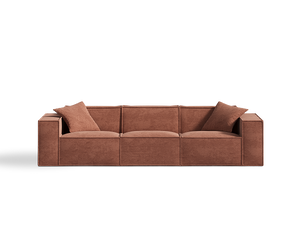
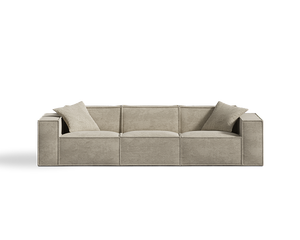
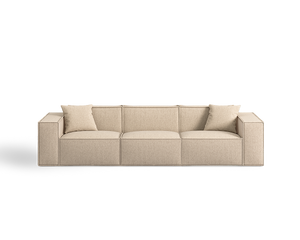
Choosing art for your living room is an exciting journey that allows you to express your style and personality. Whether you're drawn to bold abstract paintings, serene landscapes, or striking photographs, the right art can transform your space into a personal sanctuary. And if you're looking to match your artwork with a sofa that complements its style, consider the M1 Sofa Three Seater from Rove Lab. Its minimalist design and modular flexibility make it a perfect choice for any art style, ensuring your living room remains chic and cohesive.