![Rove Lab™ [Canada]](http://rovelab.ca/cdn/shop/files/rovelab_logo.svg?v=1781628572)










Choosing wall colors for a living room might seem like a simple task, but the reality is a bit more colorful—pun intended. The right hue can transform your space, making it feel cozy, spacious, vibrant, or serene. It's not just about aesthetics; it's about crafting an ambiance that resonates with your lifestyle and personality. Ready to change your living room's vibe? Here's how you can select wall colors that will make your space feel just right.
Understanding Your Space
Before you dive into paint swatches, take a moment to assess your living room. Consider the size, natural light, and architectural features. Large rooms with high ceilings can benefit from warmer, darker colors that make the space feel more intimate. Conversely, smaller spaces can open up with lighter hues that reflect light.
Natural light also plays a significant role. North-facing rooms often have cooler light, which can make colors appear a bit bluer. If your living room falls into this category, you might want to lean towards warmer colors to balance the natural light. Conversely, south-facing rooms receive more direct sunlight, which can enhance warm tones and make them feel even cozier.
Don't forget the architectural elements in your room. Features like crown molding, fireplaces, or exposed brick can either dictate a color scheme or become focal points that guide your choices. These elements can either contrast with or complement your chosen color, so think about how they will interact with your walls.
Considering Your Personal Style
Let's face it, your home should reflect who you are. Whether you lean towards minimalist chic or boho-inspired flair, your wall color should harmonize with your personal style. If you're a lover of Scandinavian design, you might opt for neutral tones like soft grays or whites. For a more eclectic look, consider bold colors or even an accent wall with patterned wallpaper.
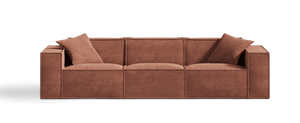
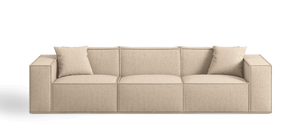
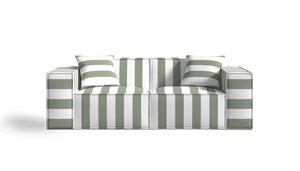
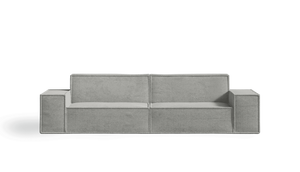
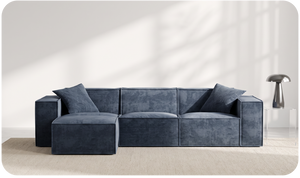
It's also worth thinking about how your wall color will interact with your furniture. If you have a statement piece like the Rove Lab's M1 Three Seater Sofa, you'll want a color that complements rather than competes. A neutral background can allow such a piece to stand out, while a contrasting color can add drama and interest.
Remember, your living room should feel like a sanctuary. If certain colors make you feel at ease, don't shy away from using them. Your walls are a blank canvas waiting for your unique touch.
Exploring Color Psychology
Color psychology isn't just for therapists—it's also a practical tool for interior designers. Colors can influence our emotions and perceptions, making it a powerful element in your living room. For instance, blues and greens are often associated with calm and tranquility, making them perfect for creating a relaxing atmosphere.
Warm colors like reds and oranges can energize a space, making them ideal for social areas of your home. However, these colors can also feel overwhelming if overused, so consider them for accent walls or smaller spaces if you're unsure.
Neutrals are the chameleons of the color world. They can either stand on their own for a minimalist look or serve as a backdrop for more vibrant accents. A neutral palette can also make it easier to update your decor without having to re-do everything.
Sampling and Testing Colors
Once you have a shortlist of potential colors, it's time to put them to the test. Paint swatches might seem like a chore, but they are crucial for avoiding a color catastrophe. The hue you love in the store might look completely different under the lighting in your living room.
Paint small sections of your wall with your chosen samples and observe how they appear at different times of the day. Natural light, artificial light, and even shadows can change a color's appearance. You might find that a color you loved in the morning looks completely different in the evening.
Consider buying a few oversized paint swatches or sample pots. This way, you can paint larger sections of your wall to get a better sense of how the color will look in the entire room. This is especially important if you're considering bold or dark colors, which can feel overwhelming if applied to a large area.
Balancing Boldness and Subtlety
If you're feeling adventurous, don't be afraid to go bold. A striking color can add personality and character to your living room. However, balance is key. Too much bold color can overwhelm a space, making it feel cramped or chaotic.
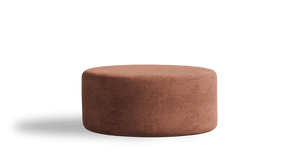
An accent wall is a great way to introduce bold colors without committing to an entire room. This approach allows you to experiment with vibrant hues while keeping the rest of the room neutral. Alternatively, you can use bold colors for accents like throw pillows, artwork, or even a stylish ottoman like the Rove Lab's C8 Round Pouf.
If subtlety is more your style, consider layering different shades of the same color. This technique adds depth and interest while keeping the overall look cohesive and understated. You can also play with textures and finishes to add subtle variations to your walls.
Understanding Finish Options
Choosing a color is one thing, but the finish is just as important. Different finishes can completely change a color's look and feel, so it's worth understanding your options. Matte finishes offer a more modern and understated look, but they can be less forgiving when it comes to marks and scuffs.
Eggshell and satin finishes offer a bit more durability and are easier to clean, making them ideal for high-traffic areas like living rooms. They also reflect a bit more light, which can help make a space feel brighter and more open.
If you're going for a more dramatic look, consider a semi-gloss or high-gloss finish. These finishes can add a touch of glamour and make colors appear more vibrant. However, they can also highlight imperfections, so make sure your walls are in good condition before opting for a high-sheen finish.
Coordinating with Furnishings
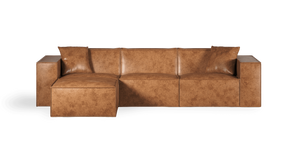
Your living room is likely filled with furniture and decorations you love, so it's important to ensure your chosen wall color complements these elements. Consider the materials and colors of your furniture when selecting a wall color. For instance, if you have a leather sofa, a warm, earthy wall color can create a cozy and inviting atmosphere.
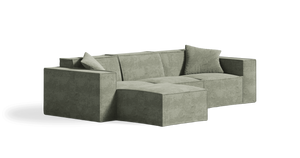
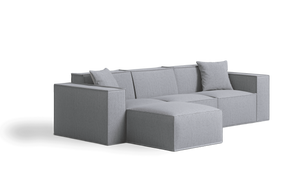
For those with more modern and minimalist pieces like the Rove Lab's M1 Sectional Sofa, a neutral or monochromatic palette can enhance the clean lines of your furniture. A well-coordinated color scheme can tie the entire room together, creating a harmonious and cohesive look.
Don't forget about smaller details like rugs, throw pillows, and curtains. These elements can add pops of color and texture, breaking up the space and preventing it from looking too one-dimensional. Consider incorporating complementary or contrasting colors in these accessories to add depth and interest to your living room.
Considering Long-Term Appeal
Trends come and go, but your living room walls are here to stay—at least for a while. When choosing wall colors, think about their long-term appeal. Will you still love this color a year or two from now? While it's tempting to follow the latest trends, it's worth considering more timeless options if you want to avoid repainting too often.
Neutral colors have a lasting appeal and offer flexibility when it comes to updating your decor. They provide a blank canvas that can easily adapt to changing tastes and styles. However, if you're committed to a bolder color, think about how you might incorporate it into your living room in a way that keeps it feeling fresh and exciting over time.
Ultimately, the goal is to create a living room that feels like home. Choose colors that resonate with you and your lifestyle, and don't be afraid to inject a bit of personality into your space. After all, your home should be a reflection of who you are.
Final Thoughts
Choosing wall colors for your living room is a journey of personal expression and creativity. It's about finding a balance between personal style, practical considerations, and long-term appeal. Whether you go for bold hues or subtle shades, the right color can transform your space into a haven of comfort and style. And remember, if you're looking for a piece to tie it all together, the Rove Lab's M1 Three Seater Sofa offers a versatile and stylish addition that complements any color palette.