![Rove Lab™ [Canada]](http://rovelab.ca/cdn/shop/files/ffd50d6b335e43f560dde12ee492d89e_5.svg?v=1792150825)






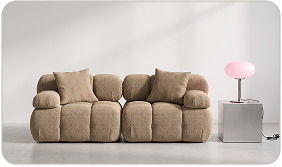

Color can work wonders in a living room. It can set the mood, define the space, and even make a small room feel larger or cozier. Choosing the perfect color palette for your living room might seem a bit daunting at first, but with a little guidance, you can create a space that reflects your style and feels like home. Let's explore how you can select the ideal color palette for your living room, making it a true reflection of your personality and lifestyle.
Understanding Your Space
Before diving headfirst into color swatches, take a moment to understand the space you're working with. Is your living room bathed in natural light, or is it more of a cozy den? The amount of natural light greatly influences how colors appear. A room with plenty of sun can carry cooler tones, while a dimly lit space might benefit from warmer hues like soft yellows or creamy whites.
Also, consider the purpose of the room. Is it a space for relaxation, entertaining, or a bit of both? If it's a place to unwind after a long day, you might lean towards serene blues or greens. For a lively gathering spot, think about vibrant hues or bold accents.
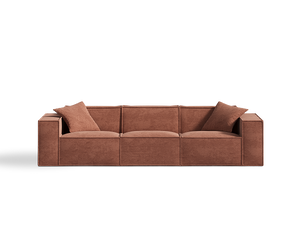
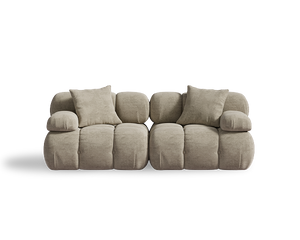
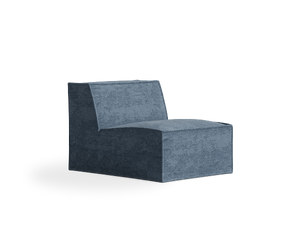
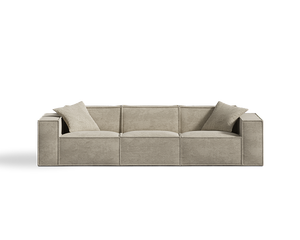
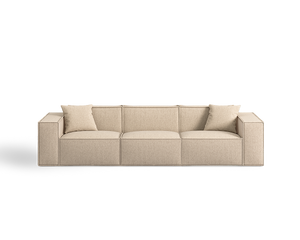
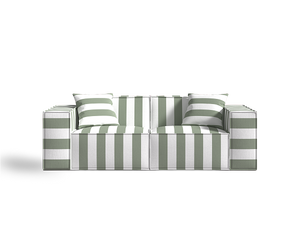
Don't forget about your living room's fixed elements. Flooring, existing furniture, and architectural features like fireplaces can all influence your color decisions. If you have a boldly colored sofa from Rove Lab's M1 Three Seater Sofa, you might want to let it shine by opting for a more neutral palette for the rest of the room.
Finding Your Inspiration
Sometimes, the best color palettes are inspired by something you already love. This could be a piece of art, a fabric pattern, or even a landscape photograph that brings you joy. Once you identify your inspiration, pull colors from it to create a cohesive look.
Consider using online tools or apps that allow you to generate color palettes from images. Upload a photo of your inspiration, and these tools can suggest a palette that captures its essence. This method can be particularly helpful if you're struggling to visualize how different colors will work together.
Remember, inspiration can come from anywhere. It could be the deep blue of a stormy sky or the rich green of a forest. Let these natural palettes guide you in creating a living space that feels both refreshing and soothing.
The Role of Neutrals
Neutrals are the unsung heroes of interior design. They provide a backdrop that can either stand alone in elegance or support bolder accents. When choosing a color palette, think of neutrals as your canvas. You can layer colors on top of them to create depth and interest.
Popular neutral choices include whites, grays, and beiges. But don't limit yourself—soft pinks or even muted sage greens can serve as beautiful neutral bases. The key is to choose a neutral that complements your space and existing furnishings.
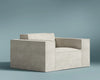
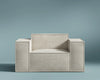
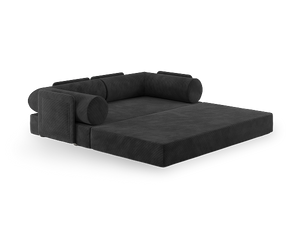
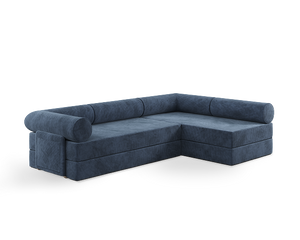
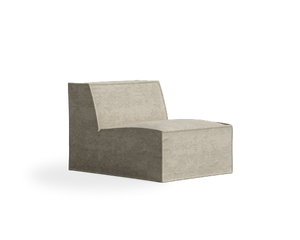
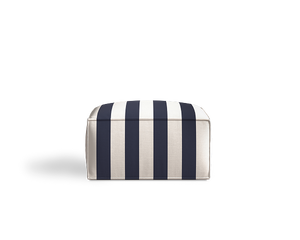
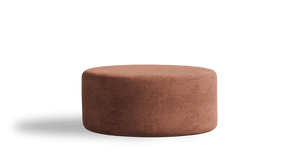
Rove Lab's M1 Ottoman Sofa Seat offers a perfect example of how a neutral piece can seamlessly blend into any color scheme, offering flexibility to play with bolder colors elsewhere in the room.
Playing with Accents
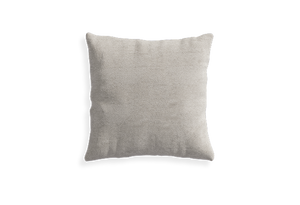
Accents are where you can let your personality shine. These are the bold pops of color that draw the eye and add interest. Think of accents as your room's accessories—items like throw pillows, blankets, and artwork that can be easily changed as trends or your tastes evolve.
When selecting accent colors, consider the 60-30-10 rule. This classic interior design guideline suggests that 60% of the room should be a dominant color, 30% a secondary color, and 10% an accent color. For instance, in a space with a dominant neutral color, a secondary color might be a soft pastel, while the accent could be a vibrant, eye-catching hue.
Remember, accents don't always have to be bold. Sometimes, a subtle shift in tone or texture can create an equally impactful effect. Experiment with different combinations to find what suits your space.
Understanding Color Psychology
Colors can evoke a wide range of emotions and moods. Understanding color psychology can help you select a palette that not only looks good but also feels right for your space.
- Blue: Often associated with calmness and relaxation, great for spaces meant for unwinding.
- Green: Symbolizes nature and tranquility; it can make a room feel refreshing.
- Yellow: Bright and cheerful, perfect for energizing a room.
- Red: A bold choice that can stimulate and excite, but can be overwhelming if overused.
- Gray: Offers a sophisticated, modern feel and works well as a neutral backdrop.
Think about the mood you want to create in your living room and select colors that align with that vision. Thoughtfully combining colors can enhance the ambiance and functionality of your space.
Testing Your Palette
Before committing to a color palette, it's wise to test it in your actual living space. Paint swatches on your walls and observe how they appear at different times of the day. This helps you see how natural and artificial light affect the colors.
Don't stop at paint samples. Gather fabric swatches for curtains, rugs, and upholstery. Place them together and see how they interact. This step is crucial for ensuring that all elements of your room harmonize perfectly.
For a hands-on approach, create a mood board. Collect images, fabric scraps, and paint samples that represent the colors and textures you're considering. This visual representation can guide you in refining your palette and ensuring everything feels cohesive.
Adapting to Trends Without Losing Personal Style
Trends come and go, but your living room should always feel like you. While it's fun to incorporate trending colors, balance them with timeless choices that resonate with your personal style. This way, your space remains relevant while still feeling like home.
Consider using trendy colors in easily changeable elements, like throw pillows or art pieces. This allows you to update your space without undertaking a major overhaul. The key is to blend trends with your unique taste to create a space that feels both current and personal.
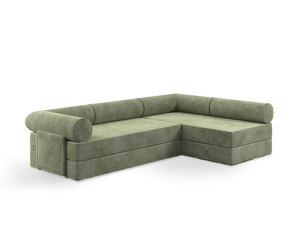
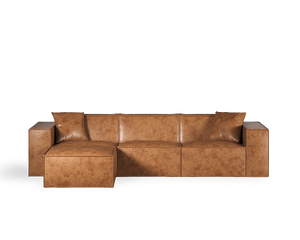
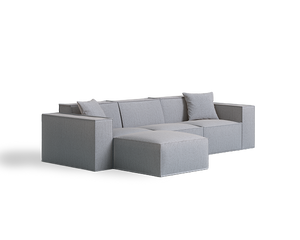
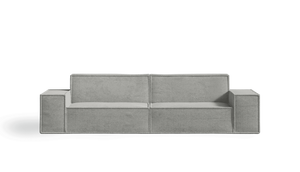
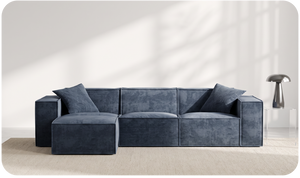
For an adaptable and stylish option, Rove Lab's M1 Sofa Sectional offers modular flexibility that can evolve with your style preferences. Its neutral base allows you to experiment with different color schemes and rearrange the layout to suit your needs.
Working with Small Spaces
In smaller living rooms, color choice plays a significant role in how spacious the area feels. Lighter tones can help open up the space, making it appear larger and airier. Soft pastels or whites are excellent for creating a sense of openness.
However, don't be afraid to use darker colors in small spaces. A deep accent wall, for instance, can add depth and interest without overwhelming the room. Just be sure to balance it with lighter furnishings and accessories to maintain harmony.
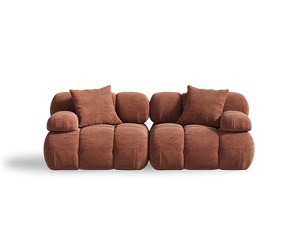
When working with a compact living room, consider multifunctional furniture like Rove Lab's M1 Sofa Loveseat. Its sleek design fits perfectly into smaller areas, providing both style and comfort without compromising space.
Embracing Contrast
Contrast adds drama and depth to any room. When selecting colors, think about how they interact with each other. Pairing light and dark hues can create a dynamic look that captures attention.
For example, a crisp white wall can be beautifully offset by a dark charcoal sofa. The play of light and dark can highlight architectural features and create focal points in your living room.
Embrace contrast in textures as well. A soft, plush rug can contrast with sleek, minimalist furniture, adding layers of interest to your space. Don't be afraid to experiment; sometimes, the most unexpected combinations create the most stunning results.
Final Thoughts
Choosing a color palette for your living room is a personal journey that involves finding a balance between aesthetics, functionality, and personal style. By understanding your space, finding inspiration, and experimenting with different elements, you can create a living room that truly feels like home. For those looking to add modular flexibility to their design, Rove Lab's M1 Sofa Sectional is a fantastic choice that adapts to your evolving style. Remember, the best color palette is one that resonates with you and enhances your daily living experience.