![Rove Lab™ [Canada]](http://rovelab.ca/cdn/shop/files/ffd50d6b335e43f560dde12ee492d89e_5.svg?v=1792150825)
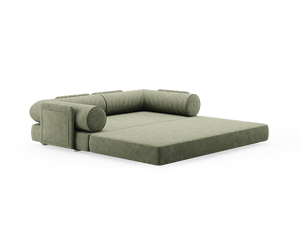







Creating a relaxing living room isn't just about throwing a few comfy pillows on a sofa and calling it a day. It's a thoughtful process that balances aesthetics, comfort, and functionality. Whether you're in a cozy city apartment or a quaint suburban home, the principles remain the same. Let's explore how you can transform your living space into a sanctuary of relaxation.
Choosing the Right Furniture
Furniture is the cornerstone of any living room. It sets the tone, dictates the flow of the space, and naturally, it's where you'll spend most of your time. Choosing the right pieces can make all the difference between a space that feels cozy and one that feels cramped.
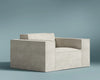
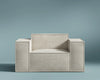
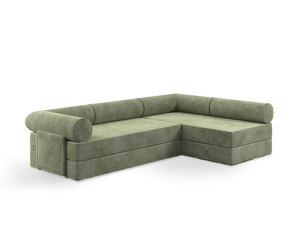
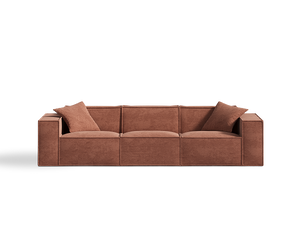
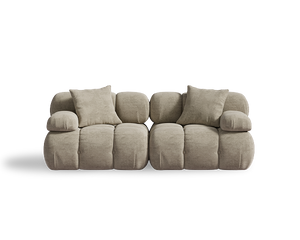
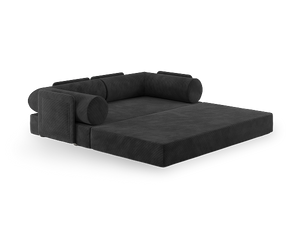
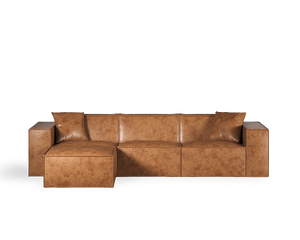
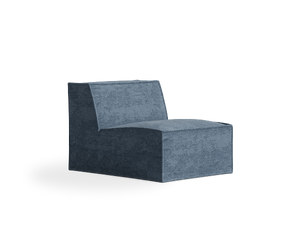
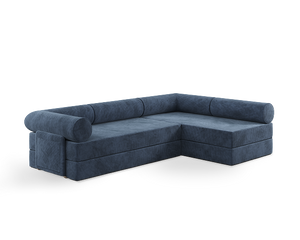
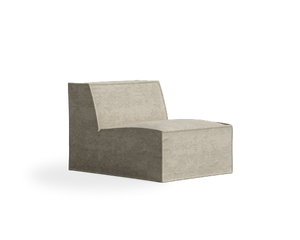
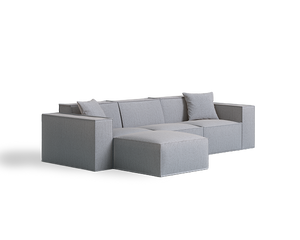
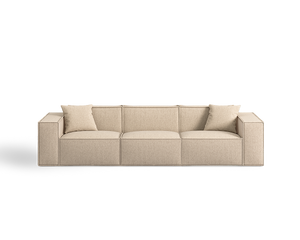
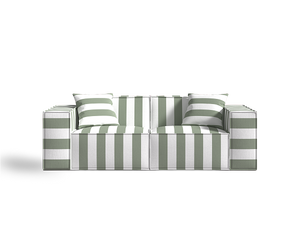
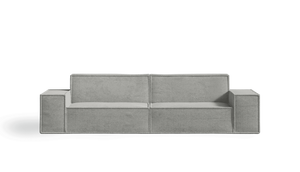
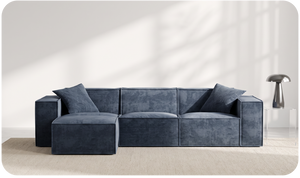
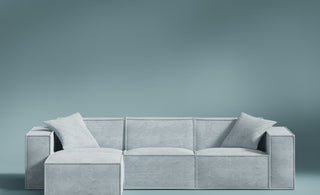
Start with the sofa, often the centerpiece of the room. For city dwellers contending with limited space, the M1 Sofa Sectional from Rove Lab offers a perfect blend of style and functionality. Its modular design allows you to adapt it to your space, whether you're creating a cozy nook or a larger seating area. Plus, its stain-resistant fabric ensures your sofa stays as fresh as the day it arrived, even with daily use.
- Size Matters: Choose furniture that fits the scale of your room. A large sectional might look inviting but can overwhelm a small space.
- Modularity: Consider modular furniture for its flexibility. You can rearrange pieces to suit your needs or moods.
- Material Choices: Fabrics that are both durable and easy to clean are a must, especially if you have children or pets.
Soothing Colors and Textures
Color plays a huge role in setting the mood. Soft, muted tones often work best for a relaxing environment. Think about shades of blue, green, or even pastels that bring a sense of tranquility to the room. It's not just about the walls; consider your furniture and accessories as well.
Textures add another layer of depth, making a space feel rich and inviting. Mix and match different materials—like a plush rug under a sleek coffee table or a velvet throw pillow on a leather sofa. This interplay of textures can make your living room feel both comfortable and sophisticated.
- Neutral Palettes: Whites, creams, and soft grays can make a room feel airy and open.
- Accent Colors: Introduce accent colors through accessories like decorative pillows or artwork.
- Variety of Textures: Combine different materials like wood, metal, and fabric to add depth.
Lighting for Ambiance
Lighting can completely transform the atmosphere of a room. It's not just about having enough light to see—it's about creating the right mood. During the day, natural light is your best friend. It makes spaces feel larger and more inviting. At night, you'll want a mix of ambient, task, and accent lighting to create a warm, inviting glow.
Consider using dimmer switches or smart bulbs that allow you to adjust the brightness to match your mood or activity. A strategically placed floor lamp can add warmth, while a pendant light over the coffee table can serve as an eye-catching focal point.
- Layered Lighting: Use a combination of overhead lights, table lamps, and floor lamps.
- Natural Light: Maximize natural light with sheer curtains or blinds.
- Accent Lighting: Highlight artwork or architectural features with spotlights.
Decluttering for Peace of Mind
Clutter is the enemy of relaxation. A cluttered room can make you feel more stressed and less at ease. Start by organizing your space, getting rid of items you no longer use or love. Use smart storage solutions to keep everything tidy and in its place.
Invest in furniture that doubles as storage, like a coffee table with drawers or a sofa with a hidden compartment. Even the smallest living room can feel spacious with the right organization.
- Minimalist Approach: Less is more. Keep only what you love and use.
- Smart Storage: Utilize multi-functional furniture to maximize space.
- Regular Upkeep: Set aside time each week to tidy up and maintain order.
The Power of Greenery
Plants can breathe life into your living room. They not only improve air quality but also add a touch of nature that can be incredibly soothing. From large potted trees to small succulents, plants can fit into any space and style.
Don't worry if you don't have a green thumb; there are plenty of low-maintenance options like snake plants or pothos that require minimal care. Place them strategically to add a pop of color and texture to your space.
- Variety of Plants: Mix tall plants with small tabletop plants for visual interest.
- Low-Maintenance Choices: Consider plants like snake plants, succulents, or pothos.
- Creative Planters: Use interesting pots and containers to add style.
Incorporating Personal Touches
Your living room should reflect who you are. Incorporate personal touches that make the space uniquely yours, whether it's family photos, artwork, or travel mementos. These items can spark joy and make your living room feel like home.
Remember, it's not about filling every inch of wall space or covering every surface. It's about choosing meaningful pieces that resonate with you and enhance your space.
- Art and Photos: Use a mix of framed art and personal photos to create a gallery wall.
- Sentimental Items: Display travel souvenirs or family heirlooms.
- Books and Keepsakes: Use bookshelves to display your favorite reads and small keepsakes.
Soundscapes for Tranquility
Sound plays an often-overlooked role in creating a relaxing environment. Consider playing soft background music or nature sounds to set a calming mood. A well-placed speaker or sound system can fill the room with soothing melodies.
Alternatively, silence can also be golden. Soundproofing elements like thick curtains or rugs can help dampen outside noise, making your living room a peaceful refuge from the world.
- Background Music: Use a playlist of soft melodies or nature sounds.
- Soundproofing: Use rugs, curtains, and cushions to absorb sound.
- Quality Speakers: Invest in good speakers for a richer sound experience.
Soothing Scents
A pleasant aroma can enhance the soothing atmosphere of your living room. Use scented candles, essential oil diffusers, or incense to fill the air with calming scents like lavender, chamomile, or eucalyptus.
Avoid overpowering fragrances; instead, opt for subtle scents that gently waft through the room. You can even match the scent to the season—citrus for summer, cinnamon for fall, and pine for winter.
- Aromatherapy: Use essential oil diffusers for a gentle fragrance.
- Scented Candles: Choose candles with natural, calming scents.
- Seasonal Scents: Match scents to the season for added ambiance.
Final Thoughts
Creating a relaxing living room is an art that balances design, comfort, and personal touches. Whether it's the M1 Sofa Sectional from Rove Lab providing flexibility in a small apartment or the calming presence of greenery and soft lighting, the key is to craft a space that feels like a restful retreat. With thoughtful choices, your living room can become a haven where you unwind and recharge at the end of a busy day.