![Rove Lab™ [Canada]](http://rovelab.ca/cdn/shop/files/ffd50d6b335e43f560dde12ee492d89e_5.svg?v=1792150825)
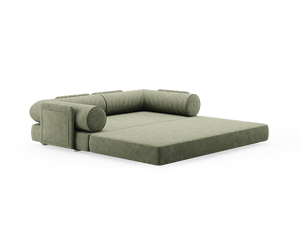

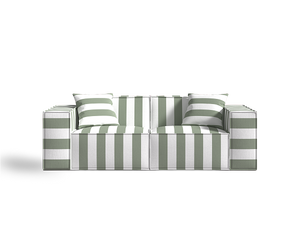




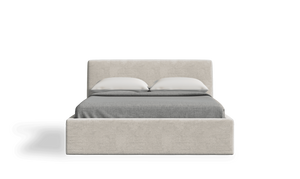

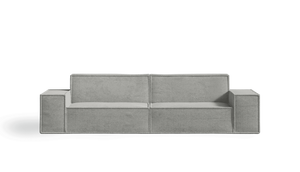

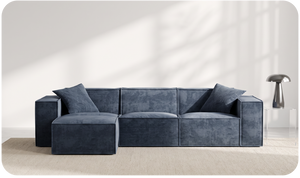
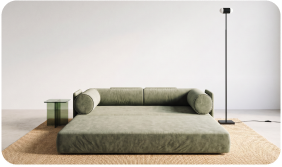


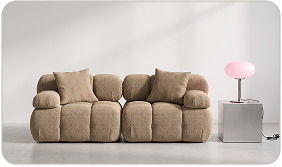
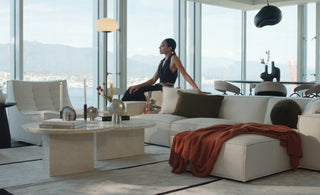
The living room is the heart of any home, where style meets comfort and where we entertain, relax, and sometimes even work. Creating a sophisticated living room doesn't mean you have to sacrifice comfort or make your space feel like a museum. It's about finding that sweet spot where elegance and practicality meet. If you're on a quest to transform your living space into a spot that's both stylish and livable, read on as we explore how to achieve that perfect balance.
Understanding Your Space
Before you start picking out furniture or paint swatches, take a moment to truly understand the space you're working with. Is it a cozy nook in a city apartment, or a larger room in a suburban home? The size and layout of your living room will significantly influence your design choices. For smaller spaces, multifunctional furniture and clever storage solutions are key. In larger rooms, you might have the luxury of creating distinct zones for different activities.
Consider natural light as well. A room flooded with natural light offers different possibilities compared to a dimly lit space. Light affects colors and materials, so take note of how sunlight moves through your room at different times of the day. This will guide you in choosing the right hues and textures that will thrive in your living room.
Once you've mapped out your space, think about how you want to use it. Do you entertain a lot, or is it more of a personal sanctuary? Your answers will influence everything from the type of seating to the choice of decor. The goal is to create a living room that not only looks sophisticated but also serves your lifestyle seamlessly.
Choosing the Right Sofa
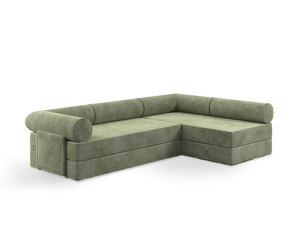
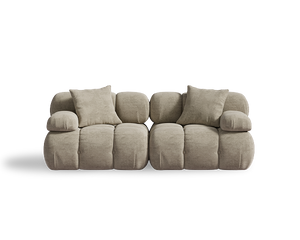
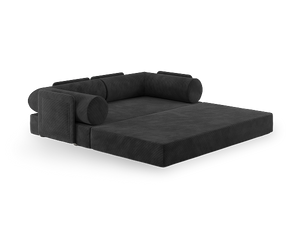
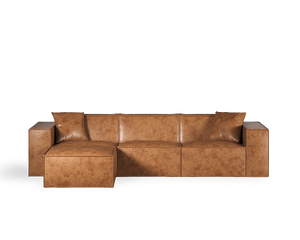
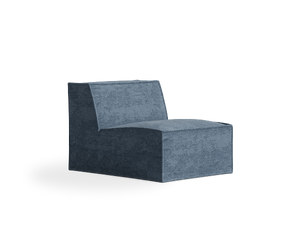
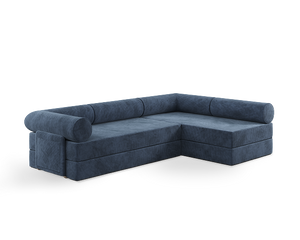
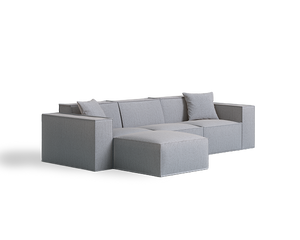
The sofa often serves as the centerpiece in a living room, so choosing the right one is crucial. You want something that offers both comfort and style, a piece that invites you to sit back while also making a design statement. For those of you in smaller spaces, the choice between a sectional and a traditional sofa is important. If you want flexibility, consider a sectional sofa like our M1 Sofa Sectional. Its modular design allows you to adapt the layout as your needs evolve. With its minimalist design and vegan performance fabric, it's both chic and practical.
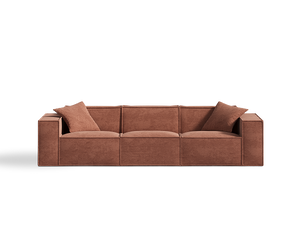
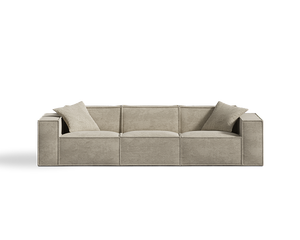
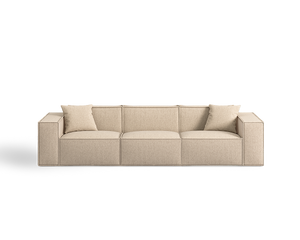
For a more classic option, a three-seater sofa might be the way to go. Our M1 Sofa Three Seater is perfect if you’re looking for something both elegant and comfortable. It’s upholstered in a durable, stain-resistant fabric, making it ideal for homes with children or pets.
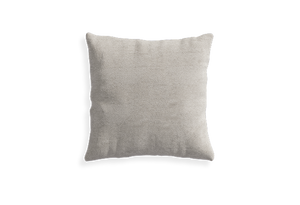
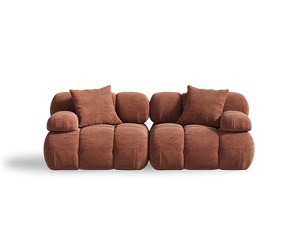
When choosing a sofa, also think about its color and material. Neutral tones like grey, beige, or navy are timeless choices that can easily be dressed up or down with throw pillows and blankets. If you're feeling bold, a jewel-toned sofa can add a pop of color and serve as a focal point in your room.
Color Palettes and Textures
The color palette you choose sets the tone for your entire living room. For a sophisticated look, consider a base of neutral colors like white, grey, or taupe. These shades create a serene backdrop and offer flexibility to add color through accessories. You can introduce depth and interest with textures—think a plush velvet armchair or a soft wool rug.
Don't be afraid to mix and match materials. For example, a leather sofa can be paired with a cozy knit throw or a sleek metal side table. The key is balance. If your sofa is a statement piece, keep your walls and larger furniture items neutral to let it shine. Conversely, if your room is more understated, you can introduce bolder hues through art or decorative objects.
Remember, color isn't just about walls and furniture. Accessories like throw pillows, curtains, and even books can add splashes of color. If your living room has limited natural light, consider lighter shades to keep the space feeling open and airy. On the other hand, darker colors can create a cozy, intimate ambiance if your room is well-lit.
Lighting Matters
Lighting can make or break a room's ambiance. A well-lit space feels inviting and functional. Consider a mix of light sources to create layers of light. Overhead lighting can provide general illumination, but it can be harsh. To soften it, add table lamps or floor lamps for ambient lighting. Wall sconces or pendant lights can also add a touch of elegance.
When choosing light fixtures, consider their scale and style. A large chandelier might overwhelm a small room, while a sleek, minimalist pendant would complement it beautifully. Similarly, a grand floor lamp can be a statement piece in a larger space, while an unassuming table lamp might be better suited for a smaller area.
Dimmer switches are a small investment with a big impact. They allow you to adjust the lighting to suit different activities, from reading to hosting a dinner party. Don't forget about natural light either—sheer curtains can maximize daylight while still maintaining privacy.
Accessorizing with Intention
Accessories are the finishing touches that personalize your space and tie everything together. However, the line between a stylish display and clutter can be thin. When accessorizing, think about intention and cohesiveness. Choose pieces that reflect your personality and fit the room's theme.
Consider a mix of textures and sizes to create visual interest. A chunky knit throw, a sleek metal vase, and a stack of bound books can add layers to a room. Art is another powerful tool. Whether it's a large statement piece or a gallery wall, art can inject color and personality into your space.
Plants are another great way to accessorize. They bring life and color, and their organic forms contrast beautifully with structured furniture. If you don't have a green thumb, there are plenty of realistic artificial options available. The goal is to create a balanced composition that feels curated but not overly staged.
The Role of Rugs
A well-chosen rug can anchor your living room, define a space, and add texture and warmth. When selecting a rug, consider its size, material, and pattern. A rug that's too small can make your space feel disjointed, so ensure it extends under your furniture, ideally under the front legs of your sofa and chairs.
Material is also important. Wool rugs are durable and soft underfoot, while cotton options are often more affordable and easy to clean. If you're looking for something luxurious, silk adds a beautiful sheen and softness. Patterns can add interest—geometric, abstract, or traditional patterns can all contribute to a sophisticated look.
Color is another consideration. A neutral rug can ground a colorful room, while a patterned rug can add interest to a more understated space. Don't be afraid to layer rugs either. A smaller, patterned rug on top of a larger, neutral one can create depth and interest.
Furniture Arrangement
Arranging furniture is like solving a puzzle. The layout dictates the flow of the room and can make a space feel either open or cramped. Start by identifying your room's focal point, whether it's a fireplace, a large window, or a TV. Arrange your seating to face this focal point to create an inviting and functional space.
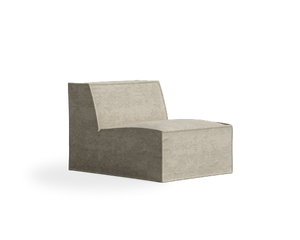
In smaller spaces, consider furniture that offers multiple uses. A coffee table with storage, or an ottoman that doubles as extra seating, can be invaluable. Our M1 Ottoman Sofa Seat is a versatile option that can be used as a footrest, seat, or table—all while adding a touch of elegance to your room.
Don't forget about traffic flow. Ensure there's enough space to move around the room comfortably. In larger spaces, creating zones with rugs or furniture arrangements can make the room feel more intimate and organized.
Integrating Technology
Integrating technology into your living room can enhance its functionality without sacrificing style. Consider built-in speakers for a seamless audio experience, or a smart TV that blends into the decor when not in use. For a truly sophisticated touch, explore smart home technology like automated lighting or climate control.
Cable management is another aspect of technology integration. Unsightly wires can detract from a polished look, so consider using cable organizers or investing in furniture with built-in cable management systems. This keeps everything tidy and maintains the room's aesthetic.
Remember, technology should serve your lifestyle. Choose gadgets and systems that genuinely enhance your daily life, whether it's a smart speaker for hands-free control or a programmable thermostat for ultimate comfort.
Creating a Personal Touch
Finally, ensure your living room reflects you. Include items that tell your story, whether it's a collection of family photos, mementos from your travels, or heirloom pieces that have been passed down. These elements add character and make your space uniquely yours.
Personal touches can also come in more subtle ways. A favorite scent in the form of a candle or diffuser, or a playlist of your favorite songs playing softly in the background, can transform your living room into a space that's distinctly your own.
Ultimately, a sophisticated living room is one that combines style with personal expression. It's about creating a space that not only looks good but also feels good to live in.
Final Thoughts
Creating a sophisticated living room is all about balancing elegance with functionality and personal touch. From understanding your space and choosing the right furniture to lighting and accessorizing, every detail matters. Consider versatile and stylish options like Rove Lab's M1 Sofa Sectional, which offers flexibility and style to help you achieve the perfect look. Remember, your living room should be a reflection of you—a place where style meets comfort effortlessly.