![Rove Lab™ [Canada]](http://rovelab.ca/cdn/shop/files/rovelab_logo.svg?v=1781628572)






Creating an interior design vision board is like crafting a personal roadmap to your dream space. It's not just about pinning pretty pictures; it's about capturing the essence of how you want your home to feel. Think of it as your personal guide to turning those Pinterest dreams into reality. You'll learn how to define your style and make intentional choices that resonate with who you are.
Define Your Intention
Before you start gathering images and swatches, take a moment to define your intention. What do you want your home to express? Is it a cozy refuge, a minimalist oasis, or perhaps a vibrant hub for entertaining? Understanding your core desires helps simplify the process. Consider your lifestyle and the functionality you need for each space. For example, if you work from home, prioritizing a comfortable and inspiring home office might be essential.
Once you have this vision in mind, think about how each room should contribute to this overall picture. If you're leaning towards a minimalist vibe, every piece should serve a purpose and evoke a sense of calm. On the other hand, if you love eclectic styles, your board might include a mix of textures and colors that make you feel vibrant.
Gather Inspiration
Now comes the fun part—gathering inspiration. Start with what you love and what excites you. Flip through magazines, browse websites, or even take photos of places that inspire you. Your vision board should be a collection of things that make you feel good. Don't limit yourself to just décor images; think about colors, patterns, and even nature scenes that resonate with your aesthetic.
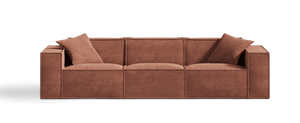
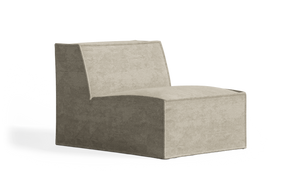
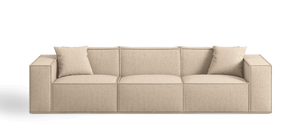
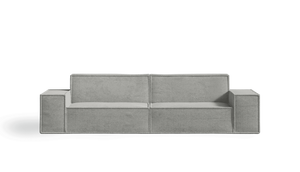
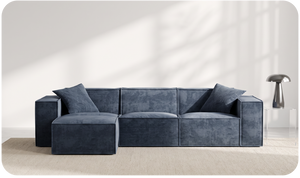
Platforms like Pinterest or Instagram are treasure troves of ideas. Save images that catch your eye, but remember to be selective. Your board shouldn't be a random clutter of images. Instead, it should reflect a cohesive look and feel you want to achieve. If you see an image of a M1 Sofa Three-Seater from Rove Lab, note how its minimalist design fits into your vision.
Choose a Medium
A vision board can be digital or physical, each with its advantages. A digital board offers flexibility and easy access, especially if you're constantly on your phone or computer. Apps like Canva or websites like Pinterest are excellent for creating digital vision boards. You can easily rearrange images, add text, and even share with friends or family for feedback.
If you prefer something tangible, a physical board might be your thing. Get a corkboard, a poster board, or even a scrapbook. Print out your favorite images, grab those fabric swatches, and pin away. The tactile experience can be incredibly satisfying. Plus, it's a constant visual reminder if you place it somewhere you frequent often.
Organize Your Board
With your images and materials in hand, it's time to organize your board. Start by categorizing images into different sections like the living room, bedroom, kitchen, and so on. This helps maintain clarity and focus. Within each section, consider arranging items by color or theme to give your board a cohesive look.
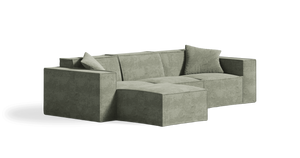
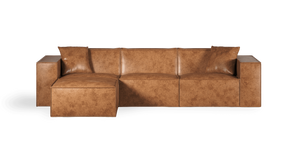
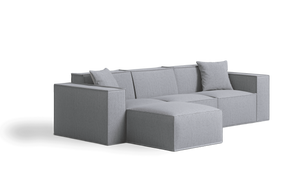
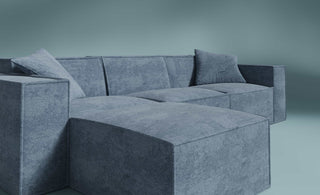
If you're envisioning a cozy living room, place images of plush rugs, soft lighting, and perhaps an M1 Sofa Sectional from Rove Lab in that section. Notice how the sectional's modularity could adapt to various living spaces, making it a versatile choice.
Add Textures and Colors
Textures and colors bring your vision board to life. Look for fabric swatches, paint samples, or even wallpaper samples that reflect the palette you're aiming for. If you're creating a serene bedroom, you might lean towards soft pastels or neutral tones. Have a few pops of brighter colors that stand out for accents, like throw pillows or artwork.
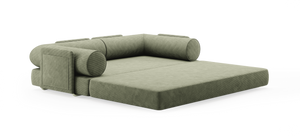
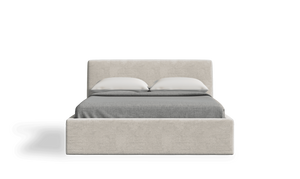
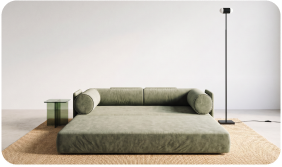
Think about how different textures fit into the space. A wool throw, a velvet cushion, or a wooden coffee table can add layers and depth to your design. Visualize how these elements would come together in a room. Would that O2 Bed from Rove Lab complement your bedroom color scheme? Its minimalist design and performance fabric could make a sophisticated statement in any modern home.
Incorporate Personal Touches
Your home should reflect who you are, so don't forget to add personal touches to your vision board. This could be family photos, travel mementos, or pieces of art that speak to you. These pieces tell your story and add a layer of authenticity to your décor.
Consider how these personal items fit into your broader design scheme. If you have a piece of art you adore, think about its placement and how it interacts with the rest of the room. Does it set the tone for your color palette or serve as a focal point?
Refine the Vision
With your board taking shape, step back and take a broader look. Does it align with the intention you set at the beginning? Sometimes, you'll find that some elements don't quite fit as well as you thought. That's okay! A vision board is an evolving project. Replace images, adjust colors, or add new elements as needed.
Refining can also involve considering practicalities. Can you actually fit all those ideas into your space? Is that gorgeous sectional too big for your living room? Or perhaps you've fallen in love with a particular design style that doesn't quite fit your budget. This is the time to make those adjustments and ensure your vision board is both inspiring and achievable.
Turn Vision into Reality
With a refined vision board, you're ready to start turning your dreams into reality. Begin with one room or area at a time to manage both budget and effort. Prioritize key pieces that anchor the room, like a sofa or bed. If you're considering modular options, consider the versatility of the M1 Sofa Sectional from Rove Lab. Its adaptability to different layouts can be a major asset.
Use your board as a reference when you're shopping. It helps keep your choices aligned with your vision, preventing impulse buys that don't fit the plan. If something doesn't match your board, ask yourself if it's truly a necessary addition or just a passing fancy.
Evaluate Progress
As you start implementing changes, regularly evaluate your progress. Is your space beginning to reflect the vision you laid out? Check if the mood and functionality you desired are coming to life. Adjust your plan as needed, and remember, this is your home—it should feel right to you.
Share your progress with friends or family. Sometimes, an outside perspective can offer valuable insights or fresh ideas. And don't forget to celebrate small victories. Every step that brings you closer to your dream space is worth acknowledging.
Final Thoughts
Creating an interior design vision board is more than a creative exercise; it's a powerful way to craft a space that truly feels like home. As you begin to bring your ideas to life, consider how versatile furniture pieces like the M1 Sofa Sectional can seamlessly integrate into your evolving design. Its modular design offers the flexibility to adapt as your needs and tastes change, making it a smart choice for any space. Happy decorating!