![Rove Lab™ [Canada]](http://rovelab.ca/cdn/shop/files/ffd50d6b335e43f560dde12ee492d89e_5.svg?v=1792150825)




When your front door opens directly into your living room, it can be a bit of a design puzzle. You want the space to feel welcoming and functional, without sacrificing style. The challenge is creating a natural flow and a sense of separation between the entryway and living areas without the aid of walls. So, how do you achieve this? Let's explore some practical and creative ways to decorate when your front door opens directly into your living room.
Creating a Welcoming Entryway
First impressions matter, and your entryway is the first thing guests see. Even if you don't have a dedicated foyer, you can still carve out an inviting entry space. Consider using a small console table or a narrow bench near the door. This not only provides a spot for keys and mail but also subtly marks the entry point.
- Use rugs: A rug can act as a visual divider to distinguish the entryway from the living space. Choose a durable material that can withstand foot traffic and dirt.
- Wall hooks or coat racks: These are perfect for hanging coats and bags as soon as you walk in, keeping clutter at bay.
- Mirrors: Hanging a mirror near the door can make the space feel larger and more open, and it allows for a last-minute check before heading out.
By defining your entryway space, you create a sense of order and organization that sets the tone for the rest of your living room.
Arranging Furniture for Flow
When your living room doubles as your entryway, furniture placement is crucial for maintaining a clear path while optimizing the space for relaxation and conversation. Start by positioning larger pieces, like your sofa, in a way that doesn't obstruct the natural flow of movement from the door.
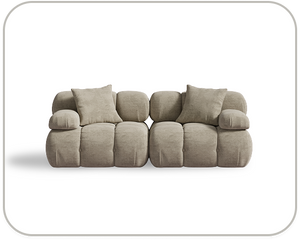
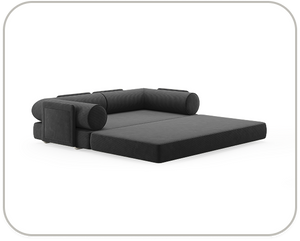
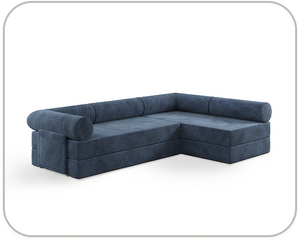
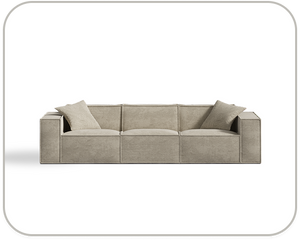
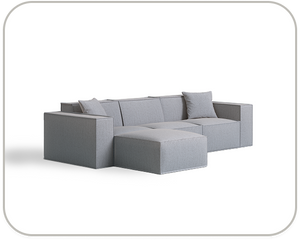
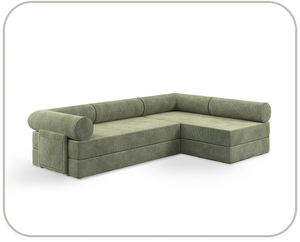
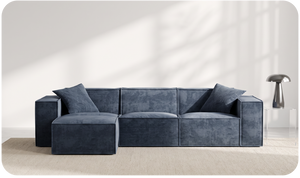
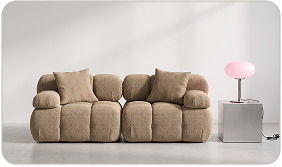
- Zone the space: Consider using the back of a sofa to create a natural separation between the entry and the rest of the room. Rove Lab's M1 Sofa Sectional is perfect for this, as its modular design allows you to configure it to suit your space.
- Anchor with rugs: In addition to an entry rug, a large area rug can define the living space. This helps create distinct zones without physical barriers.
- Keep pathways open: Ensure there's enough room to move around furniture comfortably without obstruction.
Thoughtful furniture arrangement can transform your open-concept living room-entryway into a harmonious space that is both welcoming and functional.
Choosing the Right Sofa
Your sofa is often the centerpiece of your living room, so it needs to be chosen carefully. When space is at a premium, opt for a sofa that offers both comfort and style without overwhelming the room.
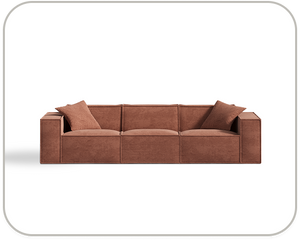
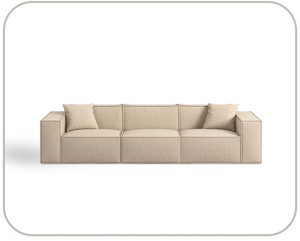
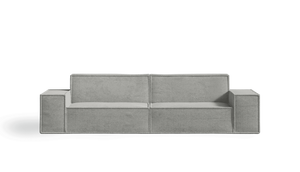
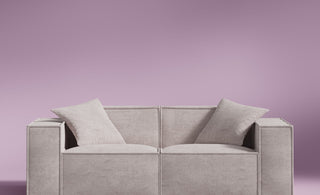
- Compact yet comfortable: A piece like Rove Lab's M1 Three Seater Sofa offers ample seating without taking up too much floor space. Its minimalist design and low profile make it an ideal choice for smaller living areas.
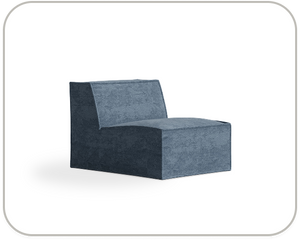
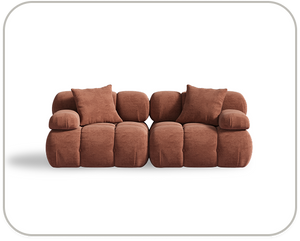
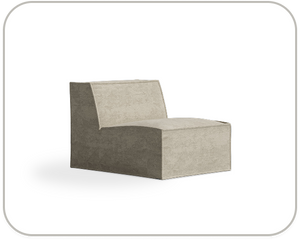
- Modular flexibility: A modular sofa can be reconfigured to adapt to different layouts, perfect if you like to switch things up or anticipate needing more seating in the future.
- Color and fabric: Choose a fabric that is easy to clean and colors that complement your overall decor. Neutrals are a safe bet, but don't shy away from a bold hue if it suits your style.
Selecting the right sofa not only enhances your living room's aesthetics but also its functionality, making it a comfortable place to relax and entertain.
Optimizing Storage Solutions
With limited space, smart storage solutions are a game-changer. They help keep the area tidy and organized, especially when your entryway blends into your living room.
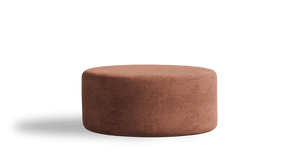
- Multi-functional furniture: Look for pieces that double as storage, such as ottomans with hidden compartments or coffee tables with shelves.
- Wall-mounted shelving: These save floor space while providing a spot for displaying books, decor, and plants.
- Baskets and bins: Use decorative baskets to store shoes or magazines, keeping them out of sight but easily accessible.
Clever storage solutions allow you to maintain a clutter-free environment, ensuring your living room remains spacious and inviting despite the frequent foot traffic.
Lighting to Define Space
Lighting plays a crucial role in creating ambiance and defining different zones within a room. Ensure your space has a mix of ambient, task, and accent lighting to create depth and dimension.
- Overhead fixtures: A stylish pendant light or chandelier can make a statement while providing overall illumination.
- Floor and table lamps: These provide task lighting for reading or working and can be easily moved as needed.
- Accent lighting: Use wall sconces or LED strips to highlight architectural features or artwork.
Strategic lighting not only enhances the mood but also helps delineate different areas of your open-plan living space.
Incorporating Personal Touches
Your living room should reflect your personality and style. Adding personal touches can make the space feel uniquely yours, even when it doubles as an entryway.
- Art and photographs: Displaying your favorite pieces or family photos adds character and warmth.
- Decorative accents: Incorporate elements like throw pillows, vases, and unique trinkets that reflect your tastes.
- Plants: Indoor plants bring life and freshness into your home, enhancing both aesthetics and air quality.
Personal touches transform your space from a generic living room into a home that tells your story and invites guests to learn more about you.
Using Color to Create Cohesion
Color can unify your space, especially when your front door opens directly into the living room. Choose a color palette that flows seamlessly from the entryway to the living area.
- Coordinated hues: Use a consistent color scheme that links walls, furniture, and decor.
- Accent walls: A bold accent wall can create a focal point and add visual interest.
- Contrasting elements: Introduce contrasting colors through small decorative items to add depth and dimension.
Using color thoughtfully can create a cohesive look that makes even open spaces feel intentionally designed.
Maintaining Functional Flow
Functionality is just as important as aesthetics. Ensure your layout supports the daily activities and routines of everyone in the household.
- Clear pathways: Maintain clear routes for movement from the door to the living space and adjacent rooms.
- Easy access: Place frequently used items within easy reach, such as remote controls, books, or chargers.
- Flexibility: Consider furniture that can be easily moved or reconfigured to accommodate changing needs.
By prioritizing functionality, your living room will not only look great but also serve as a practical and enjoyable space for everyday living.
Final Thoughts
Decorating a living room that doubles as an entryway can be a fun challenge. By defining zones, choosing flexible furniture like Rove Lab's M1 Sofa Sectional, and incorporating personal touches, you can create a space that is both welcoming and cohesive. Remember, your home should reflect your style and meet your needs, so don't be afraid to experiment with configurations until you find what works best. Happy decorating!