![Rove Lab™ [Canada]](http://rovelab.ca/cdn/shop/files/rovelab_logo.svg?v=1781628572)










Decorating your living room walls can be an exciting adventure, especially when you’re working with a sophisticated palette of grey, beige, and white. These colors are not only versatile but also bring a modern, timeless feel to any space. Whether you live in a cozy urban apartment or a spacious suburban home, you can transform your walls with either wallpaper or stencil paint to bring a fresh, personalized touch to your living room. Let’s explore some creative ways to do this.
Choosing the Right Color Palette
First and foremost, you need to pick the right shades of grey, beige, and white. This trio can easily become your best friend or your worst enemy, depending on how you use them.
- Grey: Versatile and chic, grey can range from light silvery grey to deep charcoal. It’s the perfect backdrop for a calming environment.
- Beige: Often underestimated, beige brings warmth and comfort to a room. It pairs beautifully with both grey and white.
- White: Clean and crisp, white can make your space feel larger and more open. It’s a classic choice that never goes out of style.
Choosing the right shades is essential. A light grey paired with a warm beige and a crisp white can create a serene space, while a dark grey with a cool beige and a soft white can add a touch of drama. Consider the natural light in your room; a well-lit space can handle darker tones, while a dimly lit room might benefit from lighter hues.
Getting Started with Stencil Painting
If you're new to stencil painting, don't fret—it's easier than it looks. All you need is a stencil, some paint, and a little patience. Stencils come in a wide range of designs, from intricate patterns to simple geometric shapes. Here's how to get started:
- Choose your stencil: Select a design that complements your furniture and the overall aesthetic of the room. Modern geometric designs can add a sleek touch, while floral patterns bring a softer feel.
- Prepare your wall: Make sure your wall is clean and free of dust. If your wall has imperfections, consider applying a coat of primer to ensure the paint adheres properly.
- Practice first: Before you commit, practice on a piece of cardboard or a hidden section of the wall. This will help you get a feel for the technique.
Once ready, tape the stencil to the wall, load your brush or roller with paint, and gently dab the paint onto the stencil. Use painter's tape to hold the stencil in place, and take your time to avoid any paint bleeding.
Creating Texture with Paper
If stencil painting feels a bit too intricate, consider using textured paper to add depth to your walls. Textured wallpaper or even fabric can create a stunning effect without requiring a steady hand.
- Select your texture: From woven materials to embossed patterns, the options are endless. Choose a texture that complements the rest of your décor.
- Measure twice, cut once: Ensure you have the right dimensions before cutting your paper or fabric. This will prevent wastage and ensure a seamless look.
- Adhesive matters: Use the appropriate adhesive for your material. Fabric glue works well for textiles, while wallpaper paste is ideal for paper.
Applying textured paper can instantly elevate your room. It adds an element of luxury and sophistication, making your space feel more curated and intentional.
Incorporating Art and Accents
Once you have your base colors and textures, it's time to add art. Art can be the perfect finishing touch for your walls, tying together the colors and textures you've chosen.
- Gallery walls: Mix and match different frames and art styles to create a dynamic gallery wall. Use black and white photos for a timeless look or colorful abstract paintings for a pop of color.
- Sculptural pieces: Consider adding a 3D element with metal or wooden sculptures. These can add dimension and interest to your wall.
- Mirrors: A well-placed mirror can reflect light and make your space feel larger. Choose a frame that complements your color scheme.
Art and accents give you the opportunity to express your personality and style. Don't be afraid to mix and match and try different combinations until you find what works best for you.
Lighting to Highlight Your Colors
Lighting plays a crucial role in how your colors appear. Natural light can change throughout the day, affecting how your paints and textures look. Consider how different lighting options can enhance your walls:
- Warm lighting: Soft white bulbs can make beige tones feel warmer and more inviting.
- Cool lighting: Daylight bulbs emphasize the crispness of white and can make grey tones feel more modern.
- Ambient lighting: Use floor lamps, table lamps, or wall sconces to create a cozy atmosphere.
Experiment with different lighting arrangements to see how they affect your color palette. Lighting can be the final touch that brings your entire room together.
Coordinating Furniture
Now that your walls look stunning, let’s talk about furniture. Coordinating your furniture with your wall colors can create a harmonious space that feels cohesive and well-designed.
- Neutral pieces: Choose furniture in neutral tones to let your walls take center stage. Think beige sofas or grey armchairs.
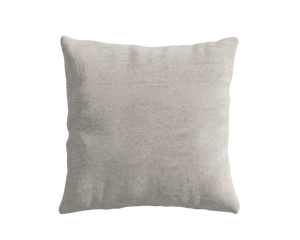
- Accent colors: Introduce pops of color through smaller items like throw pillows, blankets, or a bold accent chair.
- Material matters: Consider different materials like wood, metal, or glass. These can add variety and interest without overwhelming the space.
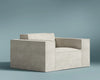
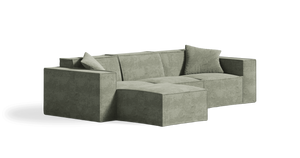
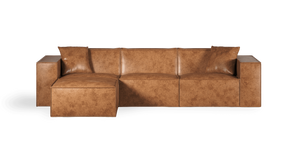
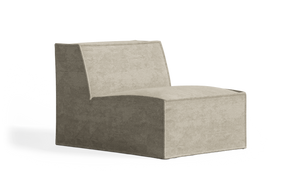
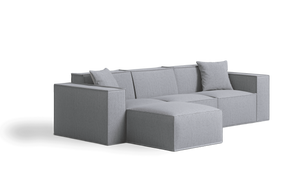
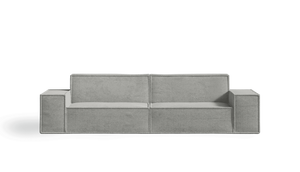
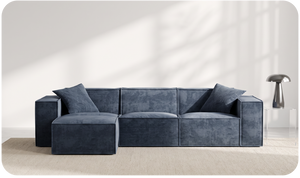
Speaking of furniture, if you’re looking for something that adapts to your style and needs, check out the M1 Three-Seater Sofa from Rove Lab. Its minimalist design and vegan performance weave make it a perfect fit for any modern living room.
Adding Greenery for a Natural Touch
Bringing the outdoors in is always a good idea. Plants not only purify the air but also add a pop of color and life to your living room.
- Choose wisely: Opt for plants that thrive indoors, such as snake plants, pothos, or succulents.
- Pot placement: Use pots that complement your color scheme. Grey or beige ceramic pots can look stunning against your new walls.
- Vary heights: Use stands or hanging planters to add height variation and create a more dynamic look.
Plants can soften the edges of a room and make it feel more inviting. Plus, they’re a great way to introduce another layer of texture and color.
Maintaining Your Beautiful Walls
Once your living room walls are decorated to perfection, it’s important to keep them looking fresh. Here are a few tips for maintaining your newly decorated space:
- Dust regularly: Dust can accumulate on textured surfaces and art pieces. Use a microfiber cloth to keep them clean.
- Paint touch-ups: Keep a small amount of your wall paint for touch-ups. Small marks or scratches can easily be covered.
- Rotate art: Consider rotating your art pieces every few months to keep the space feeling fresh and new.
Maintaining your walls doesn’t have to be a chore. With these simple tips, your living room can continue to look stylish and inviting for years to come.
Final Thoughts
Decorating a living room wall with grey, beige, and white using either paper or stencil paint can transform your space into a stylish sanctuary. The right balance of color, texture, and art can create a room that feels both modern and timeless. And if you’re considering adding new furniture to complement your décor, Rove Lab offers versatile options like the M1 Three-Seater Sofa. It’s a smart choice that fits your space and style effortlessly. Happy decorating!