![Rove Lab™ [Canada]](http://rovelab.ca/cdn/shop/files/ffd50d6b335e43f560dde12ee492d89e_5.svg?v=1792150825)




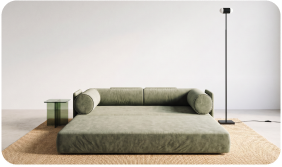
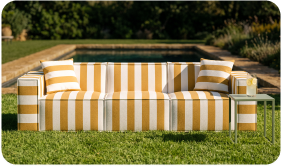
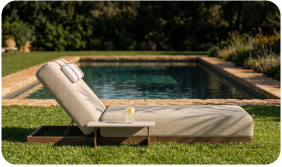
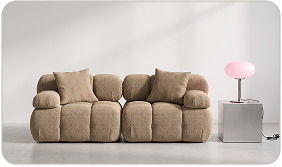
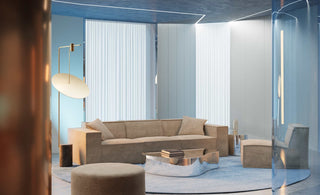
When it comes to decorating a small living room, less can often mean more. Striking the right balance between functionality and style without overwhelming your space can feel like a tightrope walk. But don't worry! By focusing on minimalist furniture, you can create a living room that's both cozy and chic. We'll explore how to achieve a stunning minimalist aesthetic without sacrificing comfort or practicality, perfect for city dwellers or anyone looking to maximize their living space.
The Art of Choosing the Right Furniture
First and foremost, choosing the right furniture is crucial for creating a minimalist living room that doesn't feel empty. The key is to prioritize pieces that offer both form and function. Select a sofa or sectional that acts as a centerpiece, anchoring the room while providing ample seating.
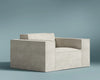
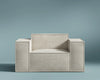
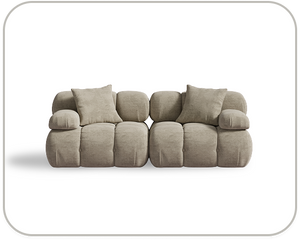
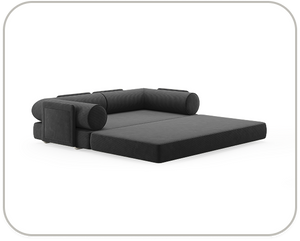
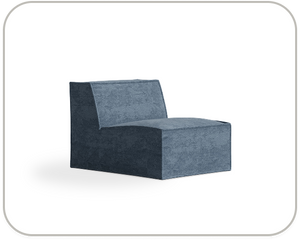
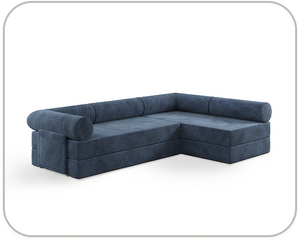
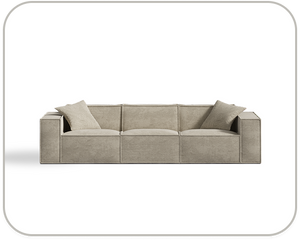
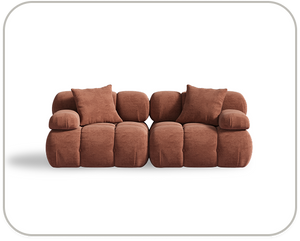
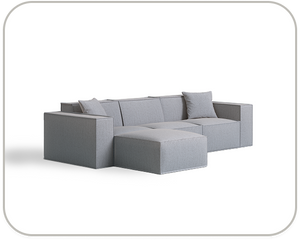
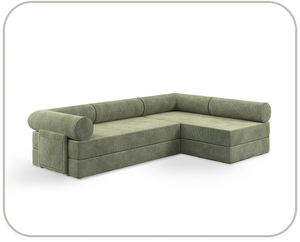
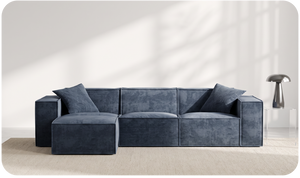
Consider the M1 Sofa Sectional from Rove Lab, which combines sleek design with smart functionality. Its modular nature allows you to adapt the layout to suit your needs, making it perfect for smaller spaces. The performance mesh fabric ensures durability, while the SmartFoam cushioning provides comfort. A sectional like this can serve as a central focus, saving you the need for additional bulky furniture.
- Size matters: Opt for furniture that fits your space rather than overwhelming it. Measure your room and choose appropriately sized pieces.
- Multi-functional pieces: Look for furniture that serves multiple purposes, such as a sofa with storage or a coffee table that doubles as a desk.
- Neutral and light colors: Lighter shades can make a room feel more open and airy. Think soft grays, whites, or pastels for a fresh look.
Embrace Open Space
A minimalist approach means valuing open space as much as the furniture itself. It might seem counter-intuitive, but negative space is a foundational element in interior design. It allows the room to breathe and prevents it from feeling cluttered.
Think of your living room as a canvas, where open areas highlight and enhance the furniture and decor you've chosen. Here's how to make the most of it:
- Clear walkways: Ensure there's enough space to move comfortably around the furniture. This makes the space feel more inviting and functional.
- Minimal decor: Choose a few standout pieces rather than cluttering with many small items. A single large piece of art can make a big impact.
- Light, airy curtains: Heavy curtains can make a room feel closed off. Opt for light or sheer fabrics to let natural light flow in.
The Power of Vertical Space
When floor space is limited, look up! Utilizing your walls can free up space and keep your living room feeling open. Think of walls as an extension of your floor space, ready to be used creatively.
Here's how to maximize your vertical space:
- Floating shelves: These are perfect for displaying books, plants, or decorative items without taking up floor space.
- Wall-mounted lighting: Instead of floor lamps, consider sconces or wall-mounted lights to illuminate your space without cluttering it.
- Art and mirrors: Add depth and interest by hanging a large mirror or a carefully selected piece of art. Mirrors, in particular, can make a smaller room feel larger by reflecting light.
By maximizing your vertical space, you ensure that every inch of your living room is used effectively, enhancing both form and function.
Rethink Your Storage Solutions
One of the biggest challenges of minimalist living is managing storage. The trick is to seamlessly integrate storage into your decor, so it becomes part of the room's aesthetic rather than an afterthought.
Consider these clever storage solutions:
- Built-in shelving: These can blend into walls and provide ample space for books, decor, or even a small home office.
- Multi-functional furniture: Pieces like an ottoman with hidden storage or a coffee table with drawers offer extra space without adding clutter.
- Under-sofa storage: Some sofas come with built-in storage drawers, perfect for tucking away blankets, magazines, or other items you want to keep out of sight.
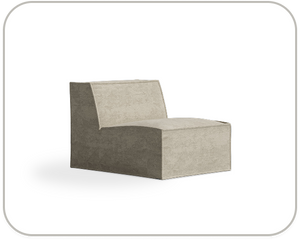
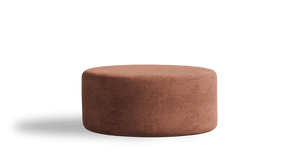
The M1 Ottoman Sofa Seat from Rove Lab is a perfect example of smart storage. It serves as an extra seat and offers hidden storage, wrapped in durable performance mesh fabric.
Focus on Quality Over Quantity
In a minimalist living room, every piece counts. It's better to invest in a few high-quality items that will last and make a statement than to fill the room with cheaper, lower-quality pieces. Quality furniture not only looks better, but it feels better and stands the test of time.
When selecting furniture, consider these factors:
- Durability: Choose materials that will withstand daily use, such as performance fabrics and solid wood.
- Timeless design: Opt for classic, clean lines that won't quickly go out of style.
- Comfort: Ensure that seating and other furniture are comfortable and inviting, encouraging you to relax and enjoy your space.
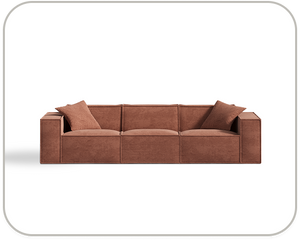
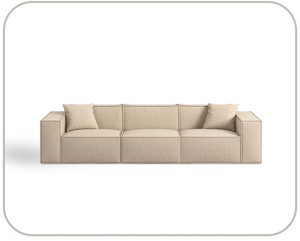
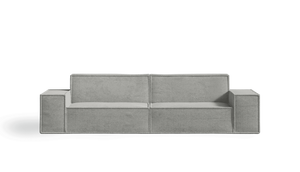
The M1 Three Seater Sofa from Rove Lab embodies these principles. Its minimalist design and SmartFoam technology ensure it remains both stylish and comfortable for years.
Choosing the Right Textures
In a minimalist living room, texture plays a crucial role in adding depth and interest. When you're working with fewer pieces, the materials and finishes of those pieces need to stand out and complement each other harmoniously.
Consider incorporating the following textures:
- Soft fabrics: A plush rug or a velvet throw can add warmth and coziness to the room.
- Natural elements: Wood accents or a stone coffee table bring in natural textures that contrast well with sleek, modern furniture.
- Mixed materials: Combine different materials like metal, glass, and fabric to create a dynamic and interesting space.
Mixing textures isn't just about aesthetics; it's about creating a space that feels welcoming and lived-in, without losing its minimalist roots.
Lighting: The Unsung Hero
Lighting is often an overlooked aspect of interior design, yet it has the power to transform your living room. In a minimalist space, lighting can set the mood and highlight the design elements you've chosen.
- Layered lighting: Combine overhead lights, task lighting, and accent lighting to create a well-lit room that can adapt to different activities.
- Warm bulbs: Opt for warm-toned light bulbs to create a cozy and inviting atmosphere.
- Statement fixtures: A unique light fixture can serve as a focal point in a room that might otherwise be simple.
Remember, the goal is to have a well-lit room that feels inviting and functional, enhancing the minimalist design.
Personal Touches That Matter
Minimalism doesn't mean your living room has to feel impersonal. Quite the opposite! It's about carefully selecting pieces that reflect your personality and letting them shine.
Here's how to add a personal touch:
- Personal artwork: Display pieces that mean something to you, whether it's family photos or art collected from travels.
- Sentimental items: A few well-chosen mementos can add warmth and character to the space.
- Plants: Greenery can add life and vitality. Choose easy-to-care-for plants that thrive indoors.
Your living room should be a reflection of you, a space where you feel comfortable and at home.
Final Thoughts
Creating a minimalist living room with few furnishings involves careful selection, intentional design, and a focus on quality over quantity. By choosing versatile pieces like the M1 Sofa Sectional from Rove Lab, you can achieve a balance of style and functionality. Remember, it's not about filling every corner, but about making every element count. With these tips, you can create a space that's both beautiful and practical, perfect for modern living.