![Rove Lab™ [Canada]](http://rovelab.ca/cdn/shop/files/rovelab_logo.svg?v=1781628572)

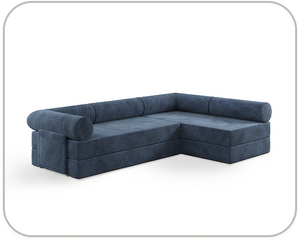
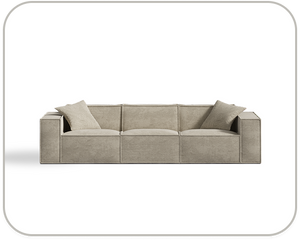
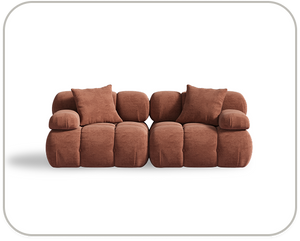
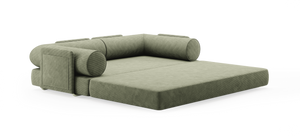





Rugs can do wonders for a living room. They're not just there to be walked on; they're like a magic carpet for style and comfort. Whether you're in a city apartment or a sprawling suburban house, a rug can define your space, add texture, and tie everything together. Today, let's talk about how to choose and position a rug in your living room to enhance its look and feel.
Choosing the Right Size: It's All About Proportions
Getting the size right can make or break the look of your living room. Imagine a rug that's too small for the space—it can make the room feel disjointed and messy. On the other hand, a rug that's too big might overwhelm the area, making your stylish furniture feel cramped. So, how do you find the ideal rug—not too big, not too small, but just right?
First, consider your room's size and your furniture arrangement. A general rule of thumb is to have all your furniture at least partially on the rug. For a more grounded look, aim to have the front legs of your sofa and chairs resting on the rug. This creates a cohesive zone that feels both inviting and organized.
If you're working with a smaller living room, a rug that fits just under the coffee table can do wonders. It keeps the space open yet defined. Conversely, for larger rooms, consider a rug that extends beyond your furniture, giving a sense of luxury and expanse. Remember, the size should enhance your space, not overpower it.
Color and Pattern: Setting the Tone
Once you've nailed the size, it's time to play with color and pattern. These elements are where your personality can truly shine. Are you a fan of bold statements? A vibrant, patterned rug can become the focal point of your room. Think of it as a piece of art for your floor!
For those who prefer a more understated look, a solid-colored rug in a neutral shade can provide a soft, elegant backdrop for your furniture. Neutral doesn't mean boring. Textures and subtle patterns can add depth without dominating the room.
Consider your room's existing color palette. The rug should complement the color scheme, either by matching shades or by providing a pleasant contrast. A good trick is to pick out a color from your sofa or throw pillows and find a rug that incorporates that hue. This creates harmony and balance in your space.
Material Matters: Comfort and Durability
Rugs aren't just pretty; they need to be practical too. The material you choose affects not only the aesthetics but also the feel and longevity of the rug. For a living room, where foot traffic is frequent, durability is key. Wool rugs are a popular choice because they're soft, durable, and easy to clean. They hold color well and can stand up to the wear and tear of daily life.
If allergies or environmental concerns are on your mind, consider synthetic options like polypropylene or polyester. These materials are not only hypoallergenic but also stain-resistant and fade-resistant. They're a practical choice for families with kids or pets.
For those who prefer a more luxurious feel, silk or silk-blend rugs offer unmatched softness and sheen. However, they require more care and are better suited for low-traffic areas. Whatever your choice, the material should reflect your lifestyle and the level of care you're willing to put in.
Rug Placement: Finding the Perfect Spot
Now that you've chosen your rug, it's time to find its perfect spot. Placement can affect the flow and functionality of the room. Ideally, the rug should anchor the main seating area, creating a cohesive and inviting space.
Start by centering the rug within the seating arrangement, ensuring it extends beyond the coffee table and touches at least the front legs of your sofa and chairs. This placement not only visually connects the furniture but also ensures that everyone seated has a part of the rug underfoot, adding to the comfort.
If your living room has an open-plan layout, a rug can help define the zone. By placing the rug under the key furniture pieces, you create a distinct area that separates the living space from the rest of the room. This is particularly effective in larger rooms or apartments where the living area blends into dining or kitchen spaces.
Layering Rugs: Double the Style
Feeling adventurous? Try layering rugs to add texture and style. This trend involves combining different styles, textures, and colors to create a unique, personalized look. It's especially useful if you have a rug you love but it's a bit too small for your space.
Start with a large, neutral base rug, such as a jute or sisal, that provides a textured foundation. Then, layer a smaller, more colorful or patterned rug on top. This technique adds depth and interest to your floor while allowing you to showcase a cherished rug without it getting lost in the room.
Layering also offers versatility. You can easily swap out the top rug according to the season or mood, giving your living room a fresh look without a complete overhaul. Just make sure the combination is harmonious and doesn't clash with the rest of your decor.
Rugs and Furniture: A Balancing Act
When it comes to rugs and furniture, balance is key. The rug should complement your furniture, not compete with it. A simple way to achieve this is to consider the scale and style of your furniture.
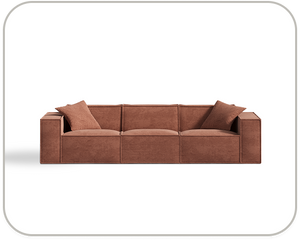
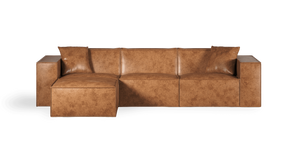
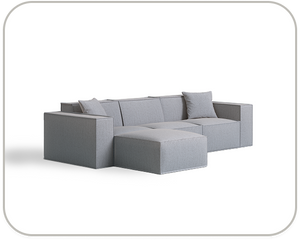
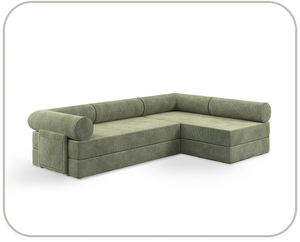
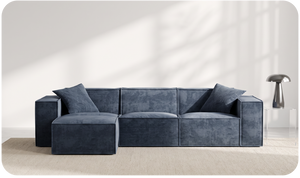
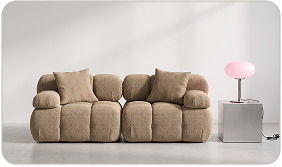
If you have a statement piece like the Rove Lab M1 Sectional Sofa, opt for a subtle rug that enhances its design without overpowering it. The M1 Sectional Sofa's minimalist design paired with a neutral rug can create a sleek, modern look.
Conversely, if your furniture is more understated, don't shy away from a bold rug. A vibrant or patterned rug can add a pop of color and transform the room's ambiance. The key is to ensure that both the rug and the furniture work in harmony to create a cohesive aesthetic.
Maintenance Matters: Keeping it Fresh
A beautiful rug is an investment, and like any investment, it needs care to maintain its beauty and longevity. Regular vacuuming is essential to remove dirt and prevent wear and tear. For deeper cleaning, consider professional services, especially for wool or silk rugs that require delicate handling.
For those inevitable spills, act quickly. Blot—don't rub—the stain with a clean cloth, working from the outside in to prevent spreading. For stubborn stains, a mild detergent and water can do the trick, but always test on a small, inconspicuous area first.
Rug pads are a small addition that can make a big difference. They prevent slipping, add cushioning, and help extend the life of your rug by reducing wear and tear. Plus, they can protect your floors from scratches and scuffs.
Seasonal Swaps: Refreshing Your Look
Rugs are a great way to refresh your living room's look without a major overhaul. Consider having different rugs for different seasons. During colder months, thicker, plush rugs add warmth and coziness. When the weather gets warmer, opt for a lighter, airier rug to match the summery vibe.
This seasonal swap can be as simple as changing the top layer in a layered rug setup, as mentioned earlier. It's a cost-effective way to keep your living room feeling fresh and in tune with the seasons.
Remember, the goal is to create a space that feels comfortable and inviting, no matter the time of year. Seasonal rug swaps can help you achieve this effortlessly.
Final Thoughts
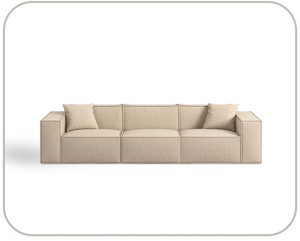
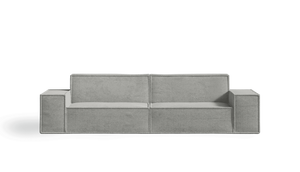
Decorating your living room with a rug is an art that combines form and function. It's about choosing a piece that enhances your space, complements your furniture, and feels just right underfoot. Whether you go for a bold statement or a subtle accent, the right rug can elevate your living room in ways you might not have imagined. And if you're looking to complement a stylish sofa, consider the Rove Lab M1 Three-Seater Sofa—its modern, minimalist design pairs beautifully with any rug choice.