![Rove Lab™ [Canada]](http://rovelab.ca/cdn/shop/files/rovelab_logo.svg?v=1781628572)

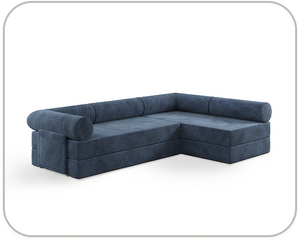
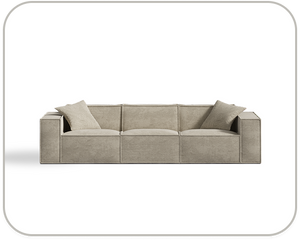
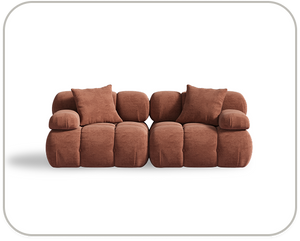
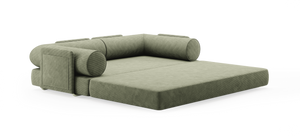


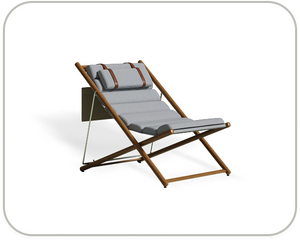
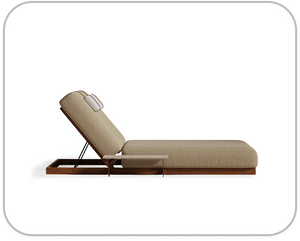

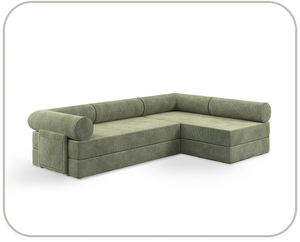
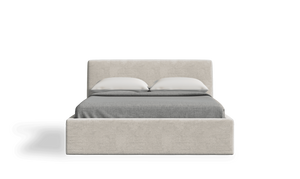

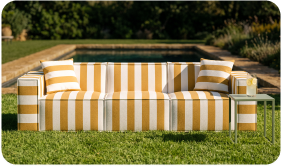

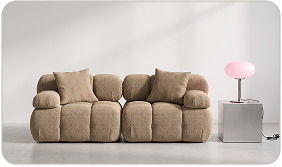

Mixing and matching living room furniture is like jazz—it's about finding harmony in what might seem like chaos. It's for those who see beauty in the unexpected, who find joy in eclecticism. You don't need an interior design degree to pull it off; just a willingness to experiment. In this article, we'll explore how you can skillfully mismatch living room furniture to create a space that's as unique as you are.
Color: The Unifying Thread
Color is your best ally when it comes to mismatching furniture. You can have different styles, shapes, and textures, but a cohesive color palette can tie everything together. Start by choosing one or two main colors and a few accent hues. This will serve as your guide when selecting pieces.
- Dominant Color: Choose a dominant color that will be the unifying thread throughout the room. This could be a neutral like gray or beige, or something vibrant like turquoise or mustard.
- Accent Colors: Use one or two accent colors to add interest. Think throw pillows, blankets, or a rug in these shades.
- Judicious Contrast: Don't be afraid to use contrasting colors sparingly. A bright red chair could be just the pop needed in a room full of earthy tones.
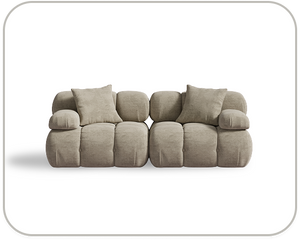
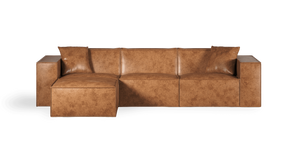
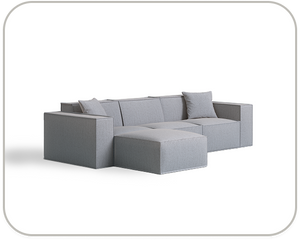
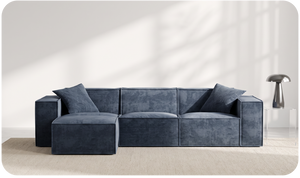
Interestingly, a cohesive color scheme can make even the most disparate furniture pieces feel like they belong together. If you're looking for a sofa that offers flexibility with its colors, the M1 Sectional Sofa from Rove Lab might be your choice. It comes in a variety of hues, all designed to complement a modern home.
Mixing Textures for Depth
If color is the melody in your decor symphony, texture is the harmony. Mixing textures adds depth and interest to your living room, making it feel more inviting and layered.
- Soft and Hard: Blend soft textures like velvet or plush with harder surfaces such as wood or metal. This contrast can make the room feel more dynamic.
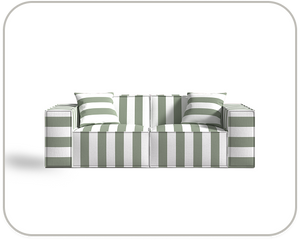
- Pattern Play: Don't shy away from incorporating patterns. Stripes, florals, and geometrics can coexist if they share a common color palette.
- Natural Elements: Bring in natural textures like a jute rug or a wooden coffee table to ground the space.
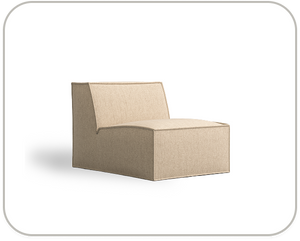
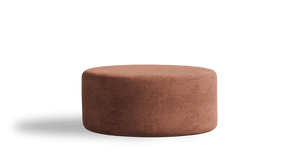
The M1 Sofa Ottoman from Rove Lab offers a delightful mix of smart foam technology and vegan performance weave, providing a tactile experience that's both luxurious and practical.
Style Mixology
Think of your living room as a cocktail of different styles. A dash of mid-century modern, a splash of bohemian, and a pinch of industrial can create a space that's not only cohesive but also uniquely yours.
- Anchor with One Style: Choose one dominant style to anchor the room. Perhaps a mid-century modern sofa paired with a bohemian rug.
- Accent with Variety: Use secondary styles in small doses—maybe a vintage lamp or a contemporary piece of art.
- Balance: Keep an eye on balance. If you have a heavy industrial coffee table, balance it with a lighter, softer element like a plush rug.
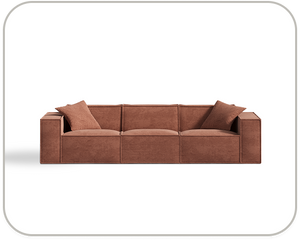
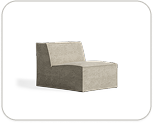
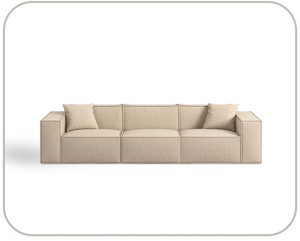
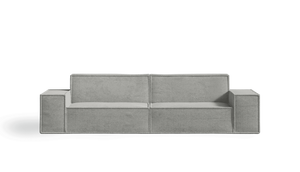
A modular piece like the M1 Three-Seater Sofa from Rove Lab can serve as a stylistic anchor, offering a minimalist design that complements a variety of styles.
Playing with Scale and Proportion
Scale and proportion are critical when mismatching furniture. You don't want a tiny chair next to an oversized sofa unless you're going for an Alice in Wonderland effect.
- Size Matters: Consider the size of your space and ensure that pieces are proportionate to each other.
- Visual Weight: Balance visual weight. A small, intricate coffee table can be the perfect partner to a large, simple sofa.
- Height Variance: Vary the height of furniture to create interest. Floor lamps, tall plants, or a gallery wall can add vertical interest.
Rove Lab's modular designs, like the M1 Sectional Sofa, adapt to any space, allowing you to play with scale and proportion effortlessly.
Function Over Form
Remember, a living room is for living. While mismatching furniture can create an eye-catching design, it also needs to serve your needs. Consider how you use the space and let that guide your choices.
- Comfort is Key: Always prioritize comfort. If you love hosting movie nights, a big, comfy sectional might be more important than a designer coffee table.
- Practical Pieces: Choose practical pieces that offer storage or multi-functionality, such as ottomans that double as storage bins.
- Traffic Flow: Ensure the room allows for easy movement. This might mean keeping certain areas less cluttered.
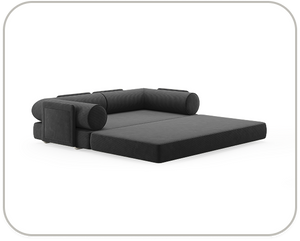
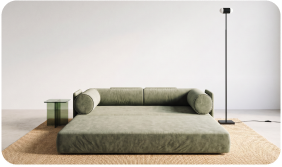
The O2 Bed from Rove Lab embodies both form and function, offering a minimalist design with practical features that fit into any modern lifestyle.
The Art of Layering
Layering isn't just for clothes. In interior design, layering can create a cozy, lived-in feel. Think of it as adding character and warmth to a room.
- Rugs on Rugs: Layering rugs can add texture and define areas within a room. Try placing a smaller, patterned rug over a larger, neutral one.
- Throw Mix: Use throws of different textures and colors to add depth to your seating areas.
- Wall Art: Group different pieces of art together for a gallery effect, mixing frames and styles for a curated look.
Layering different elements can transform a disjointed room into a cohesive space. With the adaptability of Rove Lab's modular furniture, you can easily rearrange pieces to suit your layering needs.
Accessorize with Intention
Accessories are the jewelry of your living room. They can tie the entire look together and make the room feel finished.
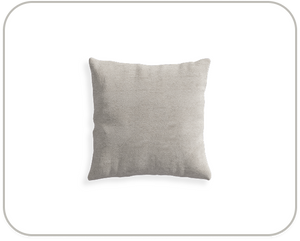
- Cushions and Pillows: Mix and match cushions with different patterns and textures, but keep the color palette cohesive.
- Books and Plants: Use books and plants to add height and interest. They're perfect for filling empty spaces and bringing life into the room.
- Personal Touches: Incorporate personal items like travel souvenirs or family photos to make the room feel uniquely yours.
Bring in accessories that reflect your personality, and don't be afraid to change them with the seasons or your mood.
Lighting: The Finishing Touch
Lighting can make or break a room. It sets the mood and highlights your carefully chosen mismatched pieces.
- Layered Lighting: Use a combination of overhead lighting, floor lamps, and table lamps to create a warm, inviting atmosphere.
- Statement Pieces: A bold chandelier or a quirky floor lamp can become a focal point, adding character to your living room.
- Dimmer Switches: Install dimmer switches to adjust the lighting according to the time of day or the mood you want to create.
Consider how different light sources will interact with your furniture and decor. The right lighting can enhance the mismatched aesthetic, making the space feel cohesive and intentional.
Experiment and Evolve
The beauty of mismatched furniture lies in its flexibility. Don't be afraid to change things up. Your living room should evolve with you, reflecting your changing tastes and needs.
- Seasonal Changes: Swap out accessories or rearrange furniture with the seasons to keep the space feeling fresh.
- Try New Layouts: Experiment with different furniture arrangements until you find what works best for you.
- Stay Open-Minded: Be open to trying new styles or pieces. You never know what might become your new favorite.
With modular options like the M1 Sectional Sofa, adapting your space over time becomes not just easy, but enjoyable.
Final Thoughts
Creating a mismatched living room is less about following rules and more about expressing your personality. It's about crafting a space that feels like home, quirks and all. Whether you're pairing a vintage chair with a modern sofa or blending vibrant colors with soft neutrals, the key is to enjoy the process. If you're looking for a piece that adapts to you, consider the M1 Sectional Sofa from Rove Lab, designed to evolve with your style and space.