![Rove Lab™ [Canada]](http://rovelab.ca/cdn/shop/files/rovelab_logo.svg?v=1781628572)


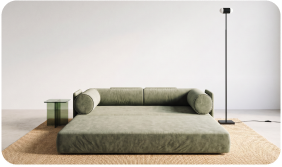
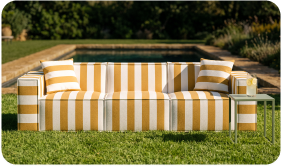
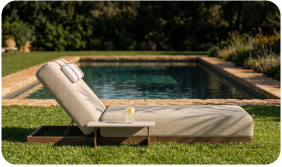
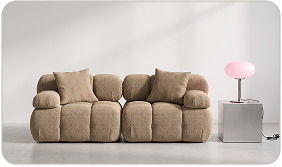
Circular mirrors are more than just reflective surfaces—they're a stylish addition to any room, especially the living room. They can make spaces feel larger, create focal points, and even bounce light around to brighten your home. If you're considering sprucing up your living room with circular mirrors, you're in the right place to learn how to arrange them for maximum effect.
The Appeal of Circular Mirrors
Why circular mirrors, you ask? Well, their appeal lies in their simplicity and versatility. Unlike square or rectangular mirrors, round mirrors soften a room's appearance. They bring balance and elegance, breaking up the hard lines often found in furniture and architecture.
Imagine walking into a room and being greeted by a beautifully arranged set of circular mirrors. They don't just reflect your image; they reflect your style. They capture light, transforming a dull corner into a vibrant, welcoming space. Not to mention, their versatility allows them to fit into any decor theme, whether it's modern, rustic, or eclectic.
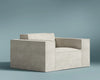
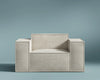
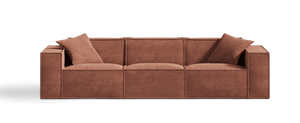
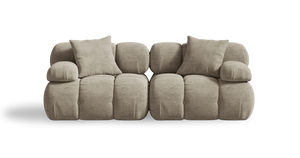
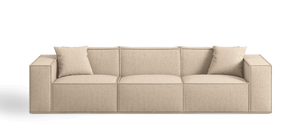
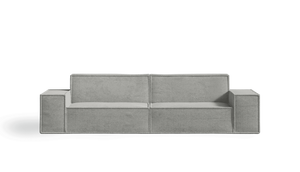
Moreover, circular mirrors add a touch of whimsy and softness. Their curves provide a contrast to the linear patterns of furniture and architecture, creating a harmonious blend that's both inviting and stylish. And if you're worried about them blending in with your existing furniture, pieces like the M1 Sofa Three Seater from Rove Lab offer a minimalist design that pairs perfectly with round shapes.
Choosing the Right Size
Size matters when it comes to mirrors. A tiny mirror on a large wall can look out of place, while an oversized one can overwhelm a small room. Start by considering the size of the wall and other elements in the room. For a small wall, a single medium-sized mirror might be perfect. For larger spaces, a collection of smaller mirrors can make a striking statement.
- Small rooms: Opt for medium to large mirrors to create an illusion of space.
- Large walls: Consider a collection of smaller mirrors arranged creatively to add interest.
- Balance: Ensure the mirror is proportionate to the furniture below it. For example, a mirror should be about two-thirds the width of a sofa or console table.
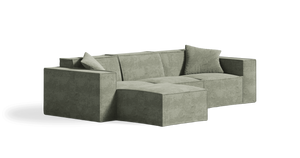
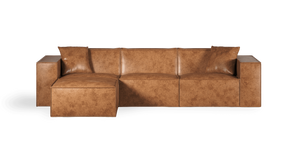
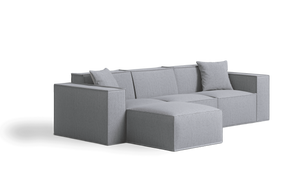
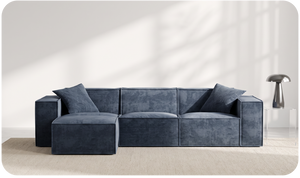
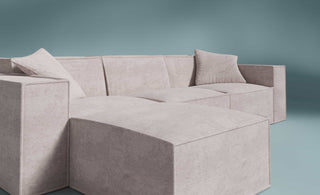
It's worth noting that incorporating mirrors with furniture like the M1 Sectional Sofa can enhance the sense of balance, as its modular design accommodates various arrangements, complementing the reflective symmetry of circles.
Placement: Finding the Perfect Spot
Finding the right spot for your mirrors can feel like a game of trial and error. But don't worry, there are a few guidelines to help you get it right. The key is to position mirrors where they can reflect something beautiful or enhance the light in the room.
Reflecting Natural Light
One of the best ways to use mirrors is to reflect natural light. By placing a mirror opposite or adjacent to a window, you can maximize the amount of light in your living room. This trick is especially useful in smaller rooms, where natural light can make the space feel more open and airy.
Consider the time of day when the light is at its peak. Positioning your mirrors to catch this light can make your living room shine, literally. If your windows are near your seating area, the reflection of the outdoors can also create a serene ambiance.
Creating a Focal Point
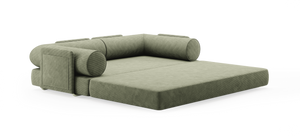
Mirrors can serve as a focal point in your living room. A large circular mirror above a fireplace or a console table can draw the eye and anchor the room. To create a cohesive look, consider matching the mirror's frame with other elements in the room, such as the legs or accents of the M1 Loveseat Sofa.
When placing mirrors as focal points, ensure they don't reflect clutter. After all, no one wants to double the appearance of mess. Instead, aim to reflect art, architectural features, or other beautiful elements in your home.
Arranging Multiple Mirrors
If you're feeling adventurous, why not play around with a collection of mirrors? Arranging multiple mirrors can add depth and intrigue to your living room, much like a gallery wall of art.
Symmetrical Arrangements
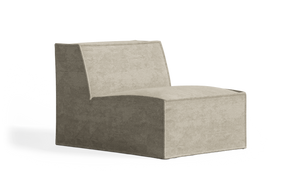
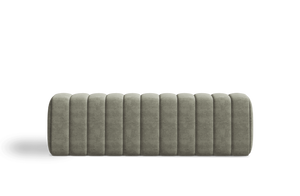
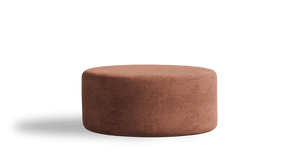
A symmetrical arrangement can create a sense of harmony and order. For example, a pair of mirrors on either side of a window or a piece of art can beautifully frame the space. This is particularly effective in rooms where symmetry is a recurring theme, such as with a balanced seating arrangement around an M1 Ottoman Sofa Seat.
When arranging mirrors symmetrically, keep the spacing even. This consistency will enhance the overall aesthetic and make the room feel more organized.
Asymmetrical Arrangements
For a more eclectic look, consider an asymmetrical arrangement. This approach allows you to play with different sizes and positions. Mix larger mirrors with smaller ones, and experiment with varying heights. The key is to maintain balance by distributing the mirrors evenly across the wall.
Asymmetrical arrangements work well in rooms where you want to add visual interest without committing to a structured look. They can complement eclectic interiors, where mixing and matching styles and textures are part of the charm.
Mixing Materials and Textures
Mirrors aren't just about reflection—they're also about style. Choosing mirrors with different frames and finishes can add texture and interest to your living room.
Metal Frames
Metal frames are a popular choice for a sleek, modern look. Whether it's polished chrome or brushed brass, these finishes add a touch of glamour. They pair perfectly with contemporary furniture, such as the minimalist M1 Sofa Three Seater, creating a cohesive modern aesthetic.
When using metal frames, consider the other metal accents in your room, such as light fixtures or hardware, to ensure a harmonious look.
Wooden Frames
For a more rustic or natural vibe, opt for wooden frames. They bring warmth and texture, making them perfect for cozy and inviting spaces. Wooden frames can blend seamlessly with natural elements like plants or wooden furniture, adding a touch of nature to your interior.
If your living room features wooden elements, such as a coffee table or bookshelves, a wood-framed mirror can tie the room together beautifully.
Mix and Match
Don't be afraid to mix materials. Combining metal and wooden frames can create a dynamic look, especially in eclectic or bohemian spaces. The contrast between different textures adds depth and interest, making the room feel rich and layered.
Mixing and matching frames can also be a great way to tie together different design elements in your living room, ensuring a cohesive yet diverse aesthetic.
Height and Proportion
When it comes to hanging mirrors, height is crucial. You don't want your mirrors to be too high or too low. Ideally, the center of the mirror should be at eye level, which is typically around 57-60 inches from the floor.
Above Furniture
If you're hanging a mirror above a piece of furniture, such as a sofa or a console table, leave about 4-6 inches of space between the top of the furniture and the bottom of the mirror. This spacing creates a visual connection between the mirror and the furniture, making them appear connected.
Also, consider the height of other elements in your room. If you have high ceilings, you might hang mirrors slightly higher to draw the eye upwards and make the space feel more expansive.
On Empty Walls
For mirrors on empty walls, consider the overall proportion. A single large mirror can stand alone, while smaller mirrors might need to be grouped to make an impact. The goal is to fill the space without overwhelming it.
When grouping mirrors, think of them as a single piece of art. Arrange them in a way that forms a cohesive shape, and ensure the spacing between them is consistent for a polished look.
Safety Considerations
While mirrors are a beautiful addition to any room, they do come with certain safety considerations, especially in homes with children or pets.
Securing Mirrors
Ensure your mirrors are securely fastened to the wall. Use appropriate hardware and anchors, especially for heavy mirrors. For added safety, consider using mirror clips or brackets to prevent accidents.
Avoiding Hazards
Be mindful of where you place mirrors to avoid creating hazards. For example, avoid placing mirrors in areas where they might reflect sunlight onto flammable materials, or where they could be easily knocked over.
In homes with young children or pets, consider placing larger mirrors higher on the wall to prevent them from being pulled down. Alternatively, opt for acrylic or shatterproof mirrors, which are safer options.
Integrating Mirrors with Your Decor
Mirrors aren't just functional; they're also an integral part of your decor. They should complement and enhance the existing elements in your living room.
Matching Styles
Consider the style of your room when choosing mirrors. A modern living room might benefit from sleek, frameless mirrors, while a traditional space might call for ornate, framed ones.
Think about the color palette and materials in your room. Choose mirrors that match or complement these elements to create a cohesive look.
Experimenting with Shapes
While circular mirrors are a great choice, don't be afraid to experiment with other shapes. Mixing circular mirrors with other geometric shapes can add interest and create a dynamic focal point.
Consider pairing a large round mirror with smaller square or rectangular mirrors. This combination can add depth and character to your living room, making it feel vibrant and unique.
Final Thoughts
Arranging circular mirrors in your living room is an art, blending style with functionality. Whether you're reflecting light, creating a focal point, or simply adding a touch of elegance, the right mirror arrangement can transform your space. And while you're at it, consider pairing your mirrors with versatile furniture like Rove Lab's M1 Sectional Sofa, which offers adaptability and style to complement your creative mirror displays.