![Rove Lab™ [Canada]](http://rovelab.ca/cdn/shop/files/rovelab_logo.svg?v=1781628572)







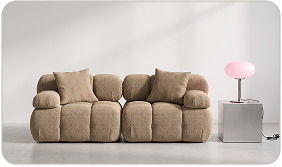
Arranging furniture in a living room with two entrances can feel like a puzzle. You want to create a warm and functional space without obstructing pathways or making the room feel cramped. With a thoughtful approach and a keen eye for design, it’s entirely possible to strike a balance between style and practicality. This guide will walk you through strategies and tips to make the most of your living space, considering everything from traffic flow to furniture selection.
Understanding Traffic Flow
First, let’s talk about traffic flow. Imagine your living room as a busy street. You need clear pathways for people to move around without bumping into each other—or your furniture. This becomes even more critical with two entrances, as you’ll need to ensure seamless movement between both points.
Consider the main routes people will take when entering or exiting the room. Are they heading to the kitchen, other rooms, or directly to the lounging area? Ideally, you want to keep these paths unobstructed. You can visualize this by laying down painter’s tape on the floor to mark paths or by using an online floor planner tool. Once you’ve mapped out the main routes, you can start thinking about where to place your main pieces, like a sofa or TV unit.
Choosing the Right Furniture
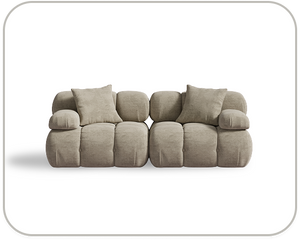
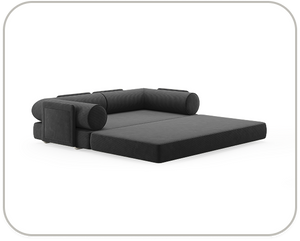
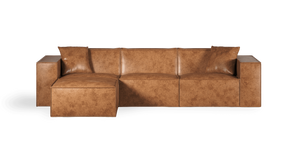
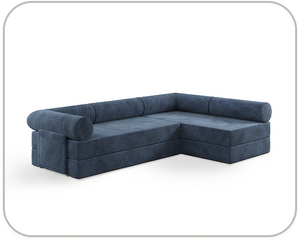
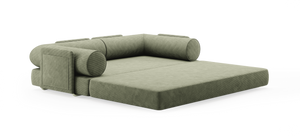
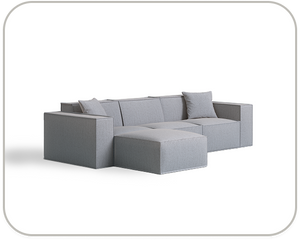
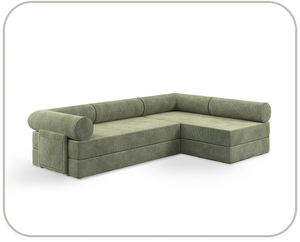
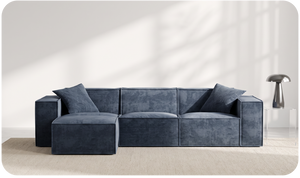
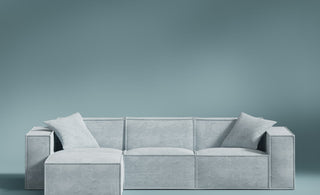
Furniture selection is crucial when working with a living room that has two entrances. You need pieces that are both functional and flexible. Modular furniture, like the M1 Sofa Sectional from Rove Lab, can be a game-changer. Its modular design allows you to easily rearrange sections, adapting to your room’s layout and your evolving needs.
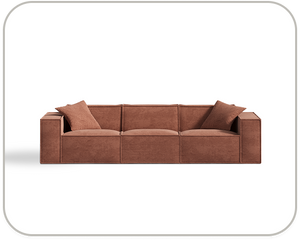
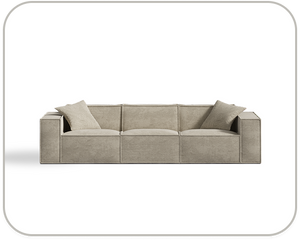
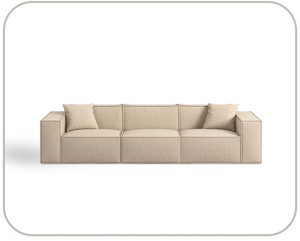
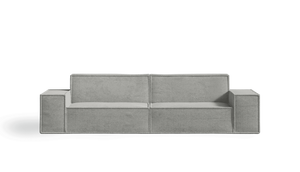
When choosing a sofa or sectional, think about the scale of the furniture. A bulky piece might look great in a showroom but can overwhelm your space at home. Opt for low-profile designs that offer ample seating without taking up too much visual space. The M1 Three-Seater Sofa offers a minimalist design with a low profile, making it ideal for maintaining an open feel while still providing comfortable seating.
Creating a Focal Point
Every room needs a focal point to draw the eye and anchor the space. In a living room, this could be a fireplace, a large window with a view, or a media center. If your room has two entrances, you might find it challenging to decide where to place this focal point. Here’s a tip: choose the element that naturally draws attention, like a fireplace or a piece of art, and arrange your seating around it.
If your living room is more of a blank canvas, consider creating a focal point with a unique piece of furniture or a bold rug. The key is to have something that captures attention without overpowering the space. Once your focal point is established, arrange your seating to highlight that area, ensuring everyone can enjoy the view or easily join the conversation.
Balancing Symmetry and Asymmetry
Symmetry can create a sense of balance and order in a room, but too much uniformity can feel monotonous. Conversely, asymmetry can add visual interest and uniqueness, but it can also lead to chaos if overdone. The trick is to find a balance between the two, especially in a room with two entrances.
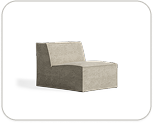
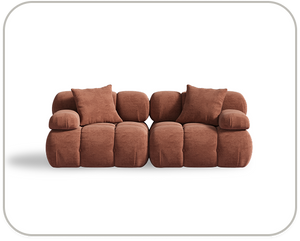
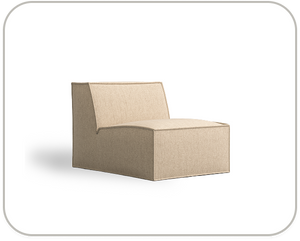
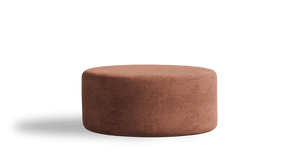
For instance, you might have two identical sofas facing each other with a coffee table in between. This setup provides symmetry while maintaining open pathways. Alternatively, you could place a sofa on one side of the room and balance it with a pair of armchairs on the other side. This creates a sense of equilibrium without being overly symmetrical. Consider adding an M1 Ottoman Sofa Seat to provide flexible seating options that can be moved as needed.
Using Rugs and Accessories
Rugs can define zones within a room, creating distinct areas and adding warmth and texture. In a living room with two entrances, a well-placed rug can anchor a lounging area and help guide traffic flow. Choose a rug size that accommodates your seating arrangement, ideally large enough so that all furniture pieces have at least their front legs on the rug.
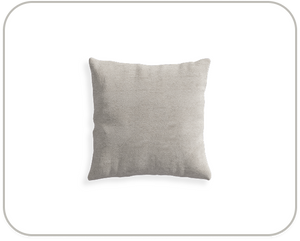
Accessories, such as decorative pillows and artwork, add personality and charm. When working with two entrances, try to keep accessories balanced throughout the room. This doesn’t mean everything has to match, but there should be a sense of cohesion. For example, if you have a bold piece of art on one wall, balance it with a few colorful throw pillows on the sofa or a vibrant plant on the opposite side of the room.
Lighting for Mood and Function
Lighting plays a crucial role in any living room, helping to set the mood and enhance the space’s functionality. With two entrances, you may need to think creatively about how to illuminate the room effectively. Overhead lighting provides general illumination, but it can sometimes feel harsh or create shadows.
Layering different types of lighting creates a more dynamic and inviting atmosphere. Consider floor or table lamps in lounging areas for task lighting, while wall sconces or pendant lights can add visual interest and highlight architectural features. If you have a reading nook or a workspace, make sure it’s well-lit. A well-placed lamp can make that corner feel cozy and inviting, perfect for unwinding with a good book.
Embracing Open Spaces
In smaller living rooms, it’s easy to fall into the trap of filling every nook and cranny with furniture. However, embracing open spaces can make your room feel larger and more inviting. With two entrances, keeping some areas open ensures the room doesn’t feel cluttered or cramped.
Consider leaving some clear space around the entrances themselves. This not only improves traffic flow but also allows the eye to rest, creating a visual break in the room. If you have large windows, resist the urge to block them with bulky furniture. Letting in natural light will make the room feel brighter and more spacious.
Personalizing Your Space
Your living room should reflect your personal style and taste. Whether you prefer a minimalist aesthetic or love eclectic decor, let your personality shine through. With two entrances, you have the opportunity to create a space that feels unique and tailored to your needs.
Consider incorporating items that mean something to you, such as family photos, travel mementos, or a favorite piece of art. These personal touches make the room feel lived-in and inviting. Don’t be afraid to experiment with color, texture, and pattern, but aim for a cohesive look that ties the room together.
Staying Flexible and Adapting
The beauty of a well-arranged living room with two entrances lies in its adaptability. As your lifestyle changes, your space should be able to adapt with you. This is where modular furniture, like the M1 Sofa Sectional, truly shines. Its flexibility allows you to reconfigure the layout quickly and easily, whether you’re hosting a party or need a quiet space to unwind.
Don’t be afraid to switch things up every now and then. Moving furniture around can give your room a fresh feel and help you discover new arrangements that work even better. Plus, it’s a great way to keep your space feeling dynamic and interesting.
Final Thoughts
Arranging furniture in a living room with two entrances is all about balance and creativity. By considering traffic flow, choosing the right furniture, and personalizing your space, you can create a functional and stylish environment. Remember, flexibility is key, and modular options like the M1 Sofa Sectional from Rove Lab offer the adaptability you need for an ever-evolving home. Embrace the challenge and let your living room be a reflection of your style and needs.