![Rove Lab™ [Canada]](http://rovelab.ca/cdn/shop/files/ffd50d6b335e43f560dde12ee492d89e_5.svg?v=1792150825)



A baby grand piano in your living room can be both a centrepiece and a cherished instrument. But, integrating it into your space without compromising on style or functionality can seem like a puzzle. Whether you're in a compact city apartment or a cosy suburban home, arranging your living room around a baby grand piano doesn't have to mean sacrificing comfort or aesthetic appeal. Let's explore how you can create a harmonious and inviting space that showcases both your piano and your personality.
Finding the Right Spot for Your Piano
Choosing where to place your baby grand piano is the most crucial step. Ideally, you want to place it in a spot that highlights its beauty while ensuring it doesn't overpower the room. Here's what to consider:
- Natural Light: While natural light can beautifully highlight the piano's curves, direct sunlight can damage the finish and affect the tuning. Consider placing the piano near a window with sheer curtains or blinds that diffuse the light.
- Acoustics: A piano's sound can change dramatically depending on the room's acoustics. Hardwood floors and minimal drapery enhance the sound, while carpets and heavy curtains can muffle it. Experiment by playing a few notes and listening from different parts of the room to find the sweet spot.
- Temperature and Humidity: Avoid placing the piano near vents, radiators, or exterior walls, as fluctuations can affect the tuning and overall condition of the instrument.
Once you've found the perfect corner or wall, you can begin arranging the rest of your furniture around it, ensuring your living room remains a cohesive and functional space.
Balancing Functionality and Aesthetics
Integrating a baby grand piano into your living room doesn't mean the space has to be purely functional. It’s about making the piano a part of the room's overall design while maintaining its utility. Here are some tips:
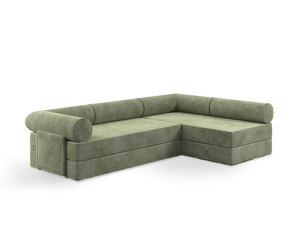
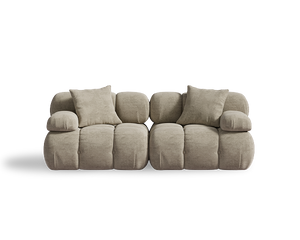
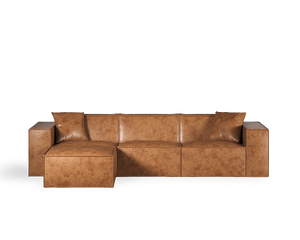
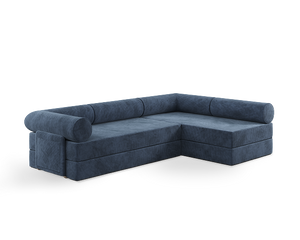
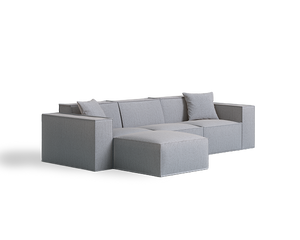
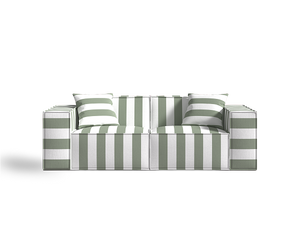
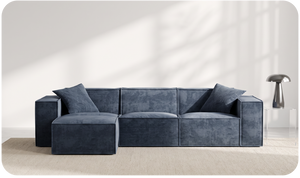
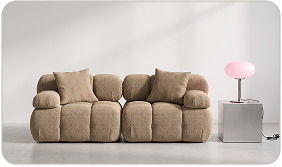
- Symmetry: Achieve balance by symmetrically placing furniture around the piano. For instance, if the piano is on one side, balance it with a similar-weighted piece like a M1 Sectional Sofa from Rove Lab on the other side.
- Colour Coordination: Use the piano's colour as a guide for your room's palette. A black piano can be balanced with dark furniture or contrasting light colours for a modern look.
- Rug Placement: A rug under the piano not only enhances the sound but can also define the space, making the piano feel integrated rather than isolated.
Remember, the goal is to make the piano a part of the room's decor while ensuring it remains a functional and comfortable living area.
Creating a Conversation Space
One of the joys of having a baby grand piano is sharing music with friends and family. Arranging your living room to encourage conversation and enjoyment is key.
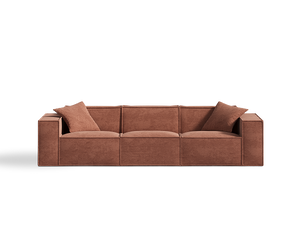
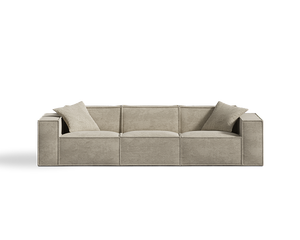
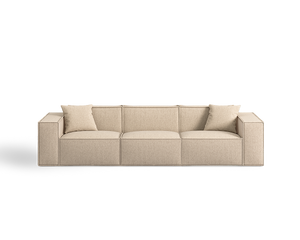
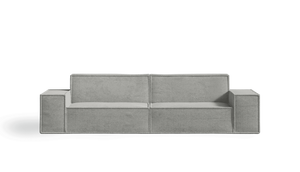
- Seating Options: Arrange seating to face the piano, allowing guests to enjoy performances. Consider a mix of seating types, like a M1 Three-Seater Sofa and a few accent chairs, to provide variety and comfort.
- Open Pathways: Ensure there are clear pathways around the room for guests to move freely without interrupting the view or sound of the piano.
- Intimate Settings: For smaller gatherings, create a cosy nook with a loveseat or a couple of armchairs near the piano for an intimate concert ambiance.
This arrangement not only makes your space more inviting but also enhances the experience for both the musician and the audience.
Integrating Storage Solutions
Pianos come with their share of accessories—sheet music, metronomes, and more. Keeping these organised and within reach is essential, but it shouldn't clutter the space.
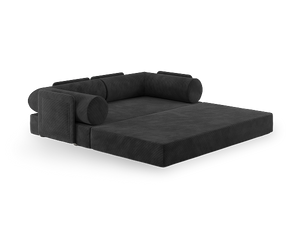
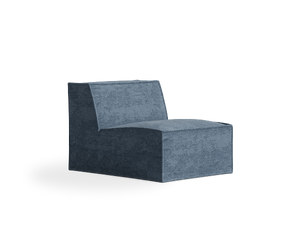
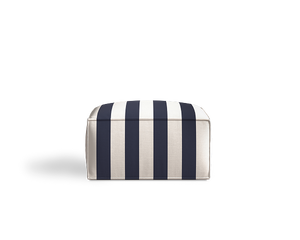
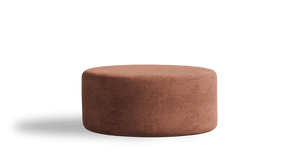
- Multifunctional Furniture: Use furniture that doubles as storage, like an ottoman with a hidden compartment or a M1 Ottoman Sofa Seat from Rove Lab, for storing music books and accessories.
- Floating Shelves: Install shelves above the piano or on adjacent walls to hold music and decorative items. This approach keeps floor space clear and the room tidy.
- Built-in Cabinetry: If space allows, consider built-in cabinetry or a credenza that harmonises with your decor to discreetly store piano-related items.
Effective storage solutions help maintain a clean and organised space while keeping essentials within easy reach.
Utilizing Decorative Elements
A piano is a work of art in itself, but that doesn't mean you can't enhance your space with additional decorative elements:
- Artwork: Hang artwork above or around the piano to complement its presence. Choose pieces that resonate with the room's colour scheme and style.
- Lighting: Stylish floor lamps or pendant lights can highlight the piano and make it the focal point of the room. Consider adjustable lights to set the mood for different occasions.
- Plants and Greenery: Incorporate plants around the piano to add life and soften the room's appearance. Just ensure they are placed in a way that doesn't obstruct sound or space.
These elements can reinforce the piano's role as a centrepiece without making the room feel overcrowded.
Managing Space Constraints
In smaller spaces, integrating a baby grand piano can seem challenging, but with some creativity, you can make it work:
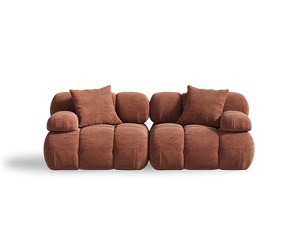
- Downsize Furniture: Opt for furniture with a smaller footprint, such as a M1 Loveseat Sofa from Rove Lab, which offers comfort without taking up excessive room.
- Dual-purpose Pieces: Choose furniture that serves multiple functions, like a coffee table with storage or a bench that doubles as both seating and storage.
- Vertical Space: Take advantage of vertical space with tall shelving units or a gallery wall to draw the eye upwards, creating an illusion of spaciousness.
By focusing on multifunctional and space-saving furniture, you can integrate a piano into even the cosiest living rooms without sacrificing style or function.
Maintaining the Piano's Condition
Keeping your baby grand piano in good condition is as important as arranging it well. Here's how to ensure it stays beautiful and functional:
- Regular Tuning: Schedule regular tuning sessions with a professional to keep the piano sounding its best.
- Cleaning: Dust the piano regularly with a soft cloth. Use a damp cloth for the keys, and avoid harsh chemicals that might damage the finish.
- Humidity Control: Use a humidifier or dehumidifier to maintain a stable environment, which is crucial for the piano's wood and strings.
Consistent maintenance helps prolong the piano's life and keeps it looking and sounding beautiful.
Creating a Personalized Space
Your living room, with its baby grand piano, should reflect your personal style. Here’s how to add a personal touch:
- Family Photos: Display family photos or personal artwork on the walls or shelves to make the space feel like home.
- Unique Decor: Integrate unique decor pieces that tell your story, whether it's a vintage clock, a handcrafted throw, or an original sculpture.
- Mix and Match Styles: Don't be afraid to mix styles—contemporary with vintage, minimalist with eclectic—to create a space that is uniquely yours.
Personal touches make your living room a true reflection of who you are and enhance your enjoyment of the space.
Bringing It All Together
Arranging a living room around a baby grand piano is about blending functionality with personal style. By carefully placing the piano, coordinating your furniture, and adding your personal touches, you can create a harmonious space that is both beautiful and functional. And if you're looking for adaptable furniture to complement your space, consider the versatile options from Rove Lab, such as the M1 Sectional Sofa, which offers flexibility and style to fit any room.
Final Thoughts
Balancing a baby grand piano with your living room's aesthetics can transform your space into a harmonious haven. Whether you're focusing on symmetry, optimizing small spaces, or integrating personal touches, the possibilities are endless. And if you're seeking stylish and adaptable furniture, the M1 Sectional Sofa from Rove Lab offers the flexibility and modern design that seamlessly integrates into any space, enhancing both comfort and style.