![Rove Lab™ [Canada]](http://rovelab.ca/cdn/shop/files/ffd50d6b335e43f560dde12ee492d89e_5.svg?v=1792150825)




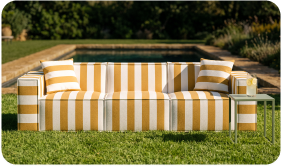
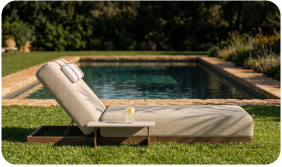
Living in a large space can seem like a dream come true, but it can sometimes be overwhelming. When you have a living room that could double as a ballroom, it's easy to get lost in the sheer vastness. So, how do you make that space feel cozy and functional without getting lost in the square footage? Let's talk about some tips for breaking down that cavernous living room into inviting and distinct zones.
Defining Your Zones
First, consider how you want to use the space. Is it a family lounging area, a reading nook, or perhaps a place to entertain guests? Once you've determined the purpose of each zone, it becomes much easier to decide how to break it down.
- Living Area: This is your classic sofa and coffee table setup, perfect for relaxing or entertaining.
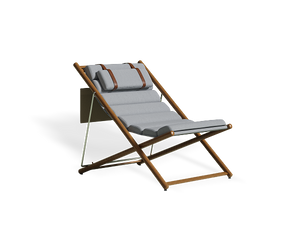
- Reading Nook: A cozy corner with a comfy chair and a small bookshelf can create a personal retreat.
- Workstation: If you need a home office, set up a corner with a desk and good lighting.
- Dining Section: A table and chairs can define an eating area without needing a separate room.
By defining these zones, you give each space a purpose and prevent your living room from feeling like one big, undefined expanse.
Using Rugs to Anchor Spaces
Rugs are more than just a soft spot for your feet; they're powerful tools for visually dividing a room. When you lay down a rug, it creates a separate, defined area within the larger space.
- Living Area Rug: Choose a large, soft rug for the main living area. It should comfortably fit under all your seating.
- Dining Area Rug: Opt for a rug that fits under the table and chairs, ideally with a little extra space to avoid chairs catching when pulled out.
- Nook Rug: A small, plush rug can make a reading nook feel warm and inviting.
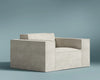
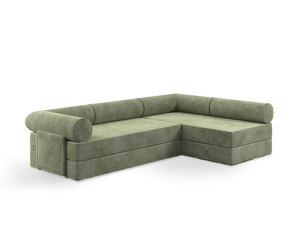
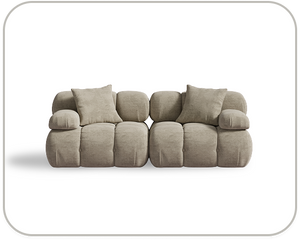
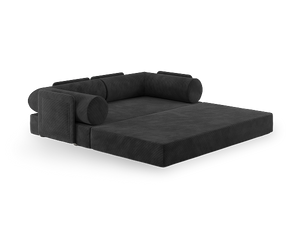
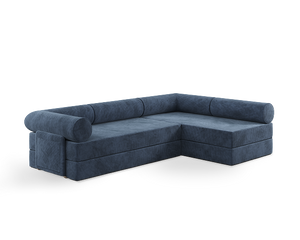
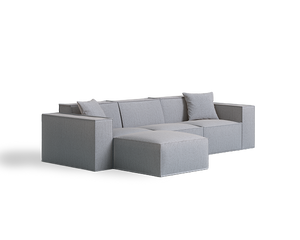
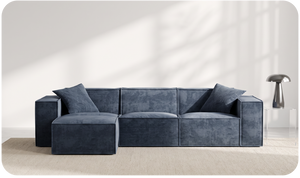
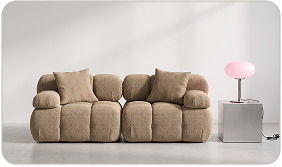
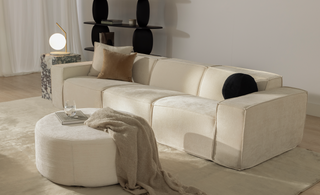
For those looking for durable and stylish options, Rove Lab's M1 Sofa Sectional pairs perfectly with your choice of rugs, offering both comfort and harmonious fit for any space.
Furniture as Dividers
Furniture can serve as both functional pieces and room dividers. Think about using a sofa or a bookshelf to delineate spaces.
- Sofa: Position your sofa to face away from an entryway, creating a natural division between the living space and other areas.
- Bookshelf: A tall, open-back bookshelf can separate spaces without blocking light or sightlines.
- Console Table: Behind a sofa, a console table can define the living area while also offering extra storage or display space.
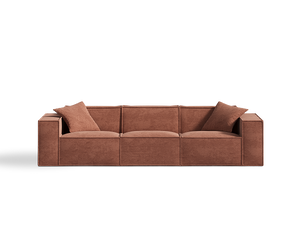
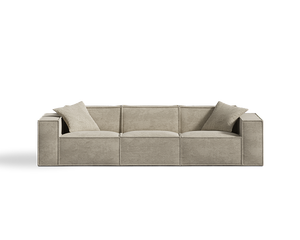
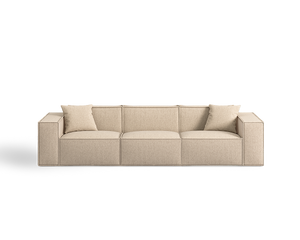
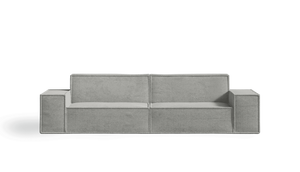
Consider using Rove Lab's M1 Three Seater Sofa for this purpose. Its sleek design works beautifully as a boundary, giving your room both structure and style.
Light It Up
Lighting is crucial for creating distinct zones. Each space should have its own lighting tailored to its function. This not only highlights the area but also reinforces its purpose.
- Living Area: A central overhead fixture combined with table or floor lamps creates a warm, inviting ambiance.
- Reading Nook: A focused floor or table lamp provides the perfect illumination for diving into a good book.
- Workstation: Task lighting is essential here; consider a desk lamp with adjustable brightness.
By layering lighting, you add depth and dimension to each area, making the whole thing feel more cohesive and less like one vast open stretch.
Adding Greenery
Plants aren't just decorative; they can serve as natural dividers in a large room. Strategically placing plants can define boundaries and soften the edges of each zone.
- Tall Plants: Use tall, potted plants to create a visual barrier without blocking the flow of the room.
- Grouped Plants: Grouping a few smaller plants can designate an area as unique and separate.
- Hanging Plants: These can visually separate spaces, especially in open-concept layouts.
Plants add life and color to a room, enhancing the ambiance and making each zone feel more distinct and vibrant.
Playing with Colors
Color is a powerful tool in interior design, and using different color palettes for different zones can help define each space.
- Accent Walls: Paint one wall a contrasting color to create a focal point for a specific zone.
- Decor Items: Use throw pillows, blankets, and artwork in a cohesive color palette to tie a zone together.
- Furniture Color: Choose furniture in varying hues to help differentiate between spaces.
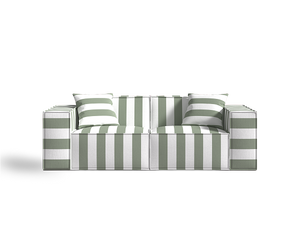
Rove Lab's M1 Sectional Sofa is available in a variety of colors that can complement or contrast with your chosen color scheme, offering flexibility in design.
Utilizing Vertical Space
Don't forget the vertical space in your room. Shelving, art, and wall-mounted items can help define zones and make them feel more intimate.
- Wall Art: Large pieces can anchor a zone and set the tone for that space.
- Shelving: Wall-mounted shelves provide storage and display space, while also defining a zone's boundaries.
- Mirrors: Use mirrors to reflect light and visually expand a space, making it feel less confined.
Vertical elements draw the eye upwards, helping to break up the horizontal expanse of a large room and making each section feel more contained.
Considering the Flow of Traffic
One challenge with a large room is ensuring that the flow of movement is natural and unobstructed. Pay attention to how people will move through the space.
- Pathways: Ensure there are clear pathways between zones, avoiding clutter or obstacles.
- Entry Points: Keep entry areas open and inviting, naturally guiding guests into the space.
- Seating Arrangements: Arrange seating to facilitate conversation without blocking pathways.
Thinking about traffic flow helps maintain a sense of openness while still keeping zones distinct and functional.
Final Thoughts
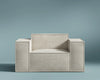
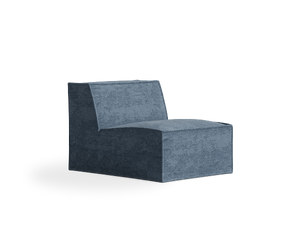
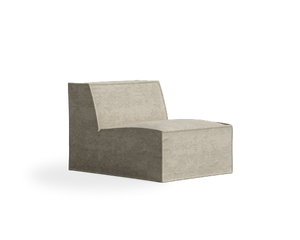
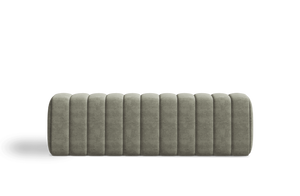
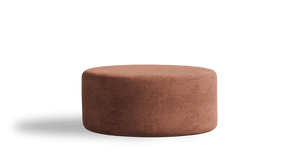
Breaking down a large living room into functional and inviting zones doesn't have to be daunting. With thoughtful planning and the right elements, you can create a space that feels both cozy and practical. Consider using Rove Lab's M1 Ottoman Sofa Seat to add flexibility and style without overpowering the room. The key is to find a balance between openness and defined areas, ensuring each zone beautifully serves its purpose.