![Rove Lab™ [Canada]](http://rovelab.ca/cdn/shop/files/rovelab_logo.svg?v=1781628572)
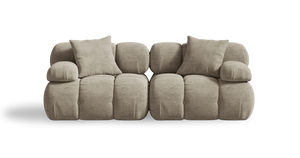
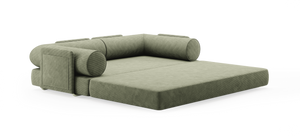
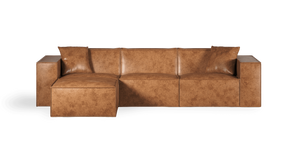
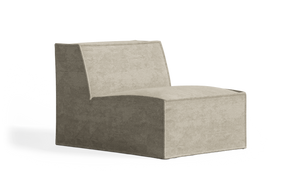






Balancing a living room is a bit like composing a symphony. Every piece of furniture, every color, and every accessory must work together to create a harmonious space. It's not just about making the room look good—it's also about making sure it feels right. Whether you're a young professional in a city apartment or a couple in your first home, achieving balance in your living room can transform it from a mere space into a true haven. This guide will show you how to orchestrate your living room's elements to create a space that is both functional and inviting.
Start with a Focal Point
Every living room needs a focal point, something that draws the eye and anchors the space. This could be a fireplace, a large window with a view, or a piece of art. If your room lacks a natural focal point, you can create one with a striking piece of furniture or a bold rug. The goal is to have something that commands attention and around which you can arrange other elements.
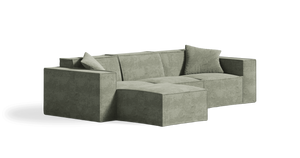
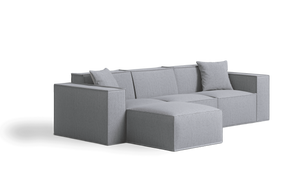
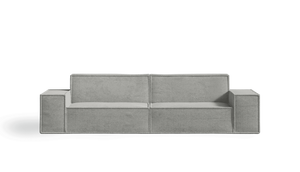
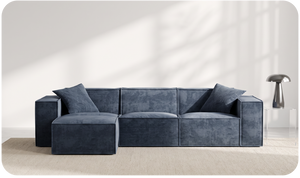
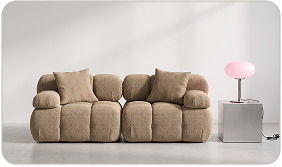
Consider using a piece like the Rove Lab M1 Sofa Sectional as a focal point. Its minimalist design and low profile can act as a centerpiece that naturally divides and balances the room. Plus, its modular nature allows you to play with different configurations, ensuring it perfectly fits your space and style.
Balance Proportions and Scale
In any room, balance is often a matter of proportions. You want to ensure that the size of your furniture fits the space without feeling cramped or too sparse. In small apartments, for example, oversized furniture can overwhelm the room. Conversely, small pieces in a large room can feel lost.
- Proportions: Choose furniture that matches the scale of your room. A large sectional sofa might be perfect for a spacious living area, while a loveseat might be ideal for a more compact setting.
- Height: Make sure your furniture heights are varied. A mix of low and tall items, like a sofa and a tall bookcase, can add depth and interest.
When selecting pieces, keep an eye on dimensions. A well-balanced room will have furniture that complements each other in size and shape, creating a cohesive look.
A Play of Symmetry and Asymmetry
Symmetry can create a sense of order, while asymmetry adds a touch of intrigue. To achieve balance, blend both into your living room design. For example, place matching lamps on either side of a sofa for symmetry, but use a different style of end table on each side for a touch of asymmetry.
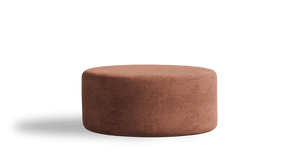
This mix allows your space to feel organized yet dynamic. It’s like a dance where the steps are planned, but there's room for improvisation. You might try placing an M1 Ottoman Sofa Seat on one side of the room for some playful asymmetry—it's both functional and stylish, adding a layer of interest.
Color Harmony
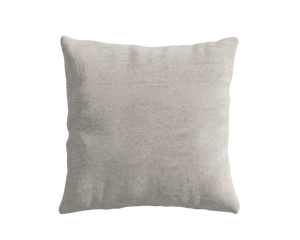
Color is a powerful tool in creating balance. A well-balanced color palette can tie a room together, making it feel complete. Stick to a neutral base and add pops of color through accessories like cushions, throws, and artwork.
- Neutral Base: Start with a neutral palette for the largest pieces of furniture. This creates a calm backdrop upon which you can build.
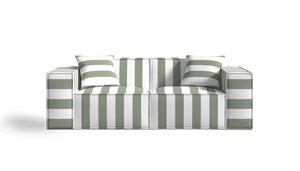
- Accents: Use colors in accents like throw pillows, vases, or even an accent chair. These can reflect your personality and bring life to the room.
Remember, the key is to repeat accent colors throughout the room to create a cohesive look. A splash of blue in a pillow can be echoed in a piece of art or a rug, unifying the entire look.
Layering Textures
Texture adds warmth and depth to a room, making it feel more inviting. Balance heavy textures with smoother ones to achieve a harmonious feel. Think about mixing a velvet sofa with a jute rug or a leather chair with a soft fleece throw.
Textures can also affect the feeling of a space. Rough textures, like a thick knit blanket, can make a room feel cozy. Smooth textures, like a glass coffee table, can add a modern touch. Layering these textures creates a dynamic space that invites touch and exploration.
Lighting: The Unsung Hero
Lighting isn't just functional—it's a vital part of creating balance in a room. A mix of lighting types can enhance the room's mood and highlight your design choices.
- Ambient Lighting: This is your main source of light. It should fill the room and provide general illumination.
- Task Lighting: Think reading lamps or under-cabinet lights. These provide direct light for specific tasks.
- Accent Lighting: Use these to highlight architectural features or artwork. They can also create mood and drama.
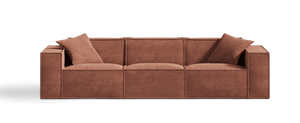
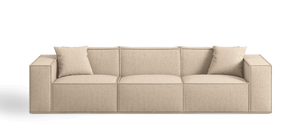
Consider the placement of your lighting to ensure it complements your furniture arrangement. A pendant light over a coffee table or a reading lamp next to your M1 Three-Seater Sofa can make all the difference in creating a balanced look.
Accessorize with Intention
Accessories are the spice of a living room. They add character and interest but should be used thoughtfully to avoid clutter. Select a few meaningful pieces rather than overfilling the space.
- Artwork: Hang art at eye level and ensure the size of the pieces is proportionate to the wall space.
- Mirrors: Use mirrors to reflect light and make a room feel larger. They can be both functional and decorative.
- Plants: Bring a touch of nature indoors with plants. They add color, texture, and life to a room.
Rotate accessories seasonally or whenever you feel like a change. This keeps the space fresh and allows you to experiment with different styles without a complete overhaul.
Create Flow
Flow is about how you move through a space. A well-balanced room will allow for easy movement, so consider pathways when arranging furniture. Ensure there’s enough room to walk without bumping into furniture.
Think about how you enter the room and the paths you take most often. Arrange your furniture to facilitate these paths. Avoid blocking windows or doors, and leave enough space around furniture for easy access.
When arranging furniture, allow at least 18 inches between the coffee table and the sofa, and ensure there's a clear path to navigate around the room. This makes the space feel open and inviting.
Personal Touch
Finally, don't forget to add a personal touch to your living room. It’s the personal elements that truly make a house a home. Whether it's a collection of travel souvenirs, family photos, or a cherished piece of furniture, these items bring warmth and individuality to your space.
Don't be afraid to display your personality. It's these unique touches that guests will remember and that will make your living room truly yours.
Final Thoughts
Balancing a living room is more than just arranging furniture—it's about creating a space that feels right to you. By focusing on the harmony of proportions, colors, textures, and lighting, you can transform your living room into a balanced and inviting space. Consider incorporating flexible furniture like the Rove Lab M1 Sofa Sectional that adapts to your needs and helps maintain balance with its functional yet stylish design.