![Rove Lab™ [Canada]](http://rovelab.ca/cdn/shop/files/rovelab_logo.svg?v=1781628572)


Mixing prints and patterns in interior design can seem like a daring adventure, but when done right, it transforms a space into a vibrant, personalized oasis. Imagine your living room as a canvas, ready to be filled with patterns that tell your story. Whether you live in a cozy apartment or a bustling urban loft, learning to mix prints can elevate your home from ordinary to extraordinary. Let's explore the art of mixing and matching, so you can create a space that’s uniquely you.
Understanding the Basics of Prints and Patterns
Before diving into the details, it’s important to have a good grasp of the different types of prints and patterns available. Think of it as building your toolkit for design. There are florals, stripes, geometrics, animal prints, and abstracts, to name a few. Each brings its own vibe and energy to a room.
- Florals: These can range from delicate and refined to bold and dramatic. They add a touch of nature and can soften a room's ambiance.
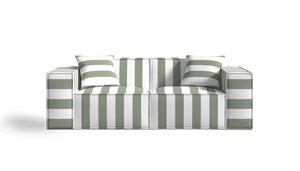
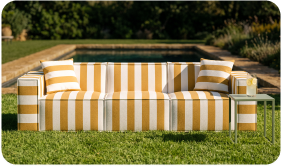
- Stripes: Great for elongating or widening a space. Horizontal stripes can make a room feel broader, while vertical stripes can make ceilings appear taller.
- Geometrics: Modern and structured, these patterns can add a sense of order to a room.
- Animal Prints: Bold and eye-catching, they add an exotic flair and can serve as a striking focal point.
- Abstracts: These can be splashes of color or unusual shapes, perfect for adding an artistic touch.
Understanding these basics is like knowing your ingredients before cooking. You can start to think about how different prints might work together, creating harmony or contrast, depending on your vision.
Finding Your Color Palette
Color is a powerful tool in design. When mixing prints, it’s essential to have a cohesive color palette to tie everything together. This doesn't mean everything has to perfectly match—rather, aim for a palette that complements and contrasts in a balanced way.
Start by choosing a base color. This could be a neutral like white, beige, or grey, or something bolder if you're feeling adventurous. Then, pick one or two accent colors. For example, if your base is white, you might choose navy and mustard as your accents. These colors will guide your print choices.
Keep the 60-30-10 rule in mind: 60% of your room should be the dominant color, 30% the secondary color, and 10% an accent color. This can help maintain balance and prevent any one print or color from overwhelming the space.
Layering with Confidence
Layering prints is about creating depth and interest without creating chaos. Start with larger patterns on bigger pieces like rugs or window treatments. These set the tone and provide the foundation for smaller, more intricate patterns.
As you add layers, consider scale. If your rug has a large, geometric pattern, consider smaller, more detailed patterns for throw pillows or artwork. This contrast in scale keeps the eye moving and creates visual interest.
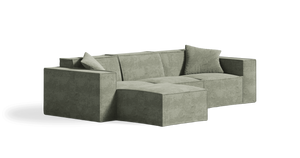
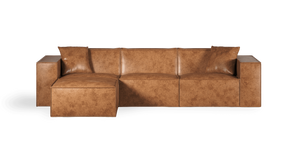
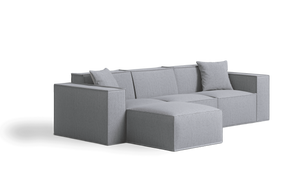
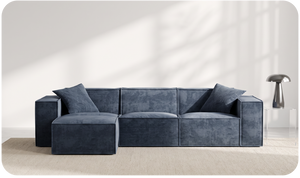
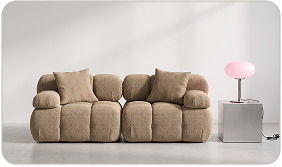
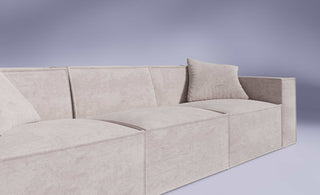
Consider the Rove Lab’s M1 Sectional Sofa as a perfect base for layering. Its minimalist design allows for bold patterns in throw pillows and blankets without feeling cluttered. The key is to start with a solid foundation and build upon it thoughtfully.
Embracing Contrast and Balance
Contrast creates interest, but balance is what makes it visually pleasing. When mixing prints, look for ways to contrast elements like color and pattern type. For example, pair a floral pattern with a geometric one. The softness of florals contrasts beautifully with the crisp lines of geometrics.
Balance these contrasts with solid colors. If your sofa is covered in bold prints, consider solid-colored throws or pillows to calm the space. Similarly, a patterned wall can be balanced with solid-colored furniture.
It’s also important to consider texture. Mixing textures can add another layer of depth. Pairing smooth fabrics with rougher textures like jute or woven materials brings warmth and dimension.
Playing with Scale
Scale refers to the size of the patterns you choose. Mixing scales is crucial for a balanced look. If everything is the same size, the eye doesn't know where to focus, and the space can feel flat.
Start with one large-scale pattern to anchor the room, such as a bold rug or a statement wallpaper. Then, introduce medium-scale patterns through upholstered furniture or curtains. Finally, sprinkle in small-scale patterns with accessories like throw pillows, lampshades, or artwork.
Remember, the goal is to guide the eye around the room. Mixing scales creates a visual hierarchy that keeps things interesting and dynamic.
Choosing the Right Furniture
Furniture plays a vital role in how prints and patterns come together in a space. Neutral furniture pieces act as a canvas for your prints, allowing them to shine without overwhelming the room.
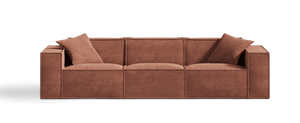
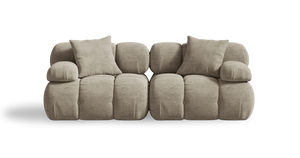
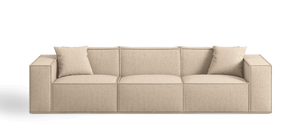
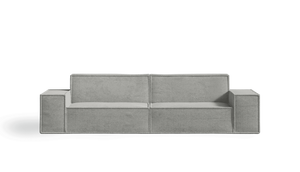
For instance, a sleek piece like the Rove Lab’s M1 Three-Seater Sofa provides a minimalist backdrop that's perfect for showcasing bold patterns in other decor elements.
If your furniture already features patterns, use solid colors or complementary patterns in smaller accessories to maintain balance. Mixing patterns within furniture, such as pairing a striped armchair with a floral sofa, can work if the colors are harmonious.
Working with Accents
Accents are where you can really let your personality shine through. Think of them as the jewelry of your space. They can include artwork, throw pillows, vases, or even books. These are often the easiest items to experiment with, as they can be swapped out easily.
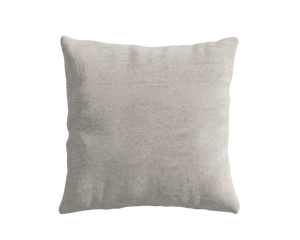
Choose accents that pick up on the colors or patterns you've already established in the room. This creates a cohesive look even if the patterns themselves are different. For example, a throw pillow with a geometric pattern in your accent color can tie together various elements of the room.
Don’t shy away from metallic or glass accents, which can add a touch of glamour and reflect light, enhancing the depth and texture of the room.
Incorporating Rove Lab Products
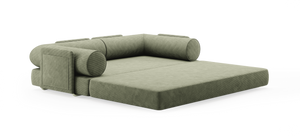
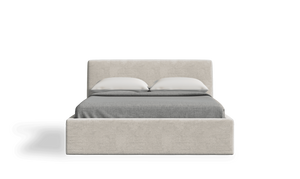
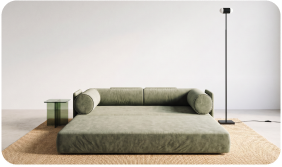
When it comes to mixing prints and patterns, having the right furniture to anchor your design is key. Rove Lab offers pieces like the O2 Bed, which provides a minimalist yet sophisticated foundation for mixing patterns in your bedroom. The neutral design allows for playful bedding choices, from bold duvet covers to patterned throw pillows.
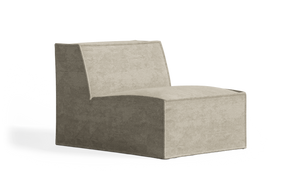
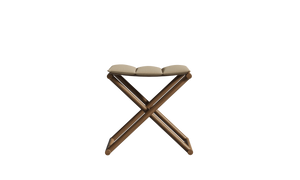
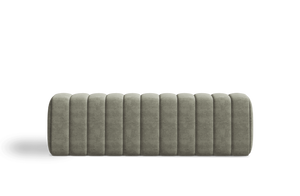
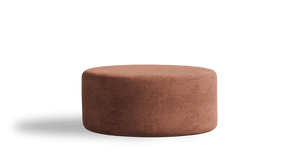
Additionally, the M1 Ottoman Sofa Seat can be a versatile addition to your living area. Its simple design means it can be paired with a variety of patterned rugs or throws, creating a dynamic focal point without feeling cluttered.
With these pieces, you can experiment with patterns confidently, knowing that your foundation supports your creative choices.
Personalizing Your Space
Ultimately, your home should reflect who you are. While it’s helpful to follow guidelines, don’t be afraid to break the rules if it feels right to you. If you love a particular pattern or print, find a way to incorporate it, even if it’s unconventional.
Your space is a reflection of your journey, your tastes, and your personality. Mix prints that speak to you and tell your story. Whether it’s a vintage floral rug or a modern geometric throw, let your personality shine through.
Remember, decorating is about creating a space where you feel at home—comfortable, happy, and inspired. Trust your instincts and have fun with the process!
Final Thoughts
Mixing prints and patterns in interior design is an art that, when done well, can transform your space into a personalized masterpiece. It's about finding balance, embracing contrast, and layering with intention. With versatile pieces like the Rove Lab’s M1 Sectional Sofa, you have a solid foundation to build upon, allowing your creativity to flourish. Happy decorating!