![Rove Lab™ [Canada]](http://rovelab.ca/cdn/shop/files/ffd50d6b335e43f560dde12ee492d89e_5.svg?v=1792150825)




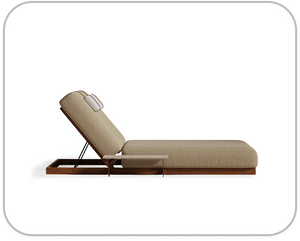

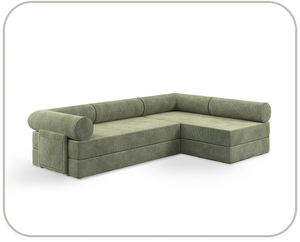
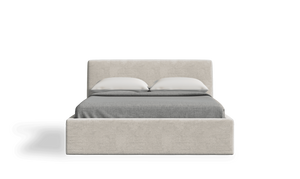

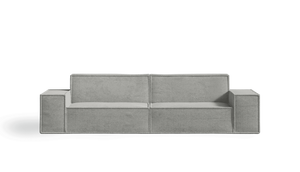
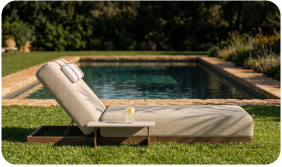
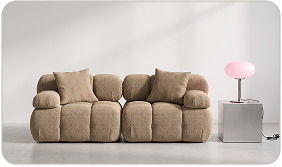
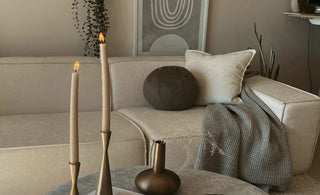
Mixing and matching furniture in your living room is a lot like curating a great playlist: it takes a bit of finesse, a touch of creativity, and a keen sense of harmony. Sure, the concept might seem daunting at first—you’re playing decorator without a safety net. But with a few guiding principles, you can create a space that not only looks cohesive but also reflects your unique style. So, let’s talk about how to combine different pieces without making your living room look like a mismatched garage sale. We’ll cover everything from colors and materials to furniture styles and layouts, with a few savvy tips to keep your space fresh and intentional.
The Art of Color Coordination
Color is one of the most impactful elements when it comes to mixing and matching furniture. It can tie a room together or make it feel disjointed. Start with a basic color palette—think of it as the canvas for your masterpiece. Typically, this includes a dominant color, a secondary color, and an accent color.
The dominant color should cover about 60% of your room. This could be your wall color or your largest furniture piece, like a sofa. For example, if you opt for a neutral like grey, it provides a versatile backdrop that allows other colors to shine. The secondary color, covering about 30%, might be reflected in your rugs, curtains, or smaller furniture pieces. Finally, your accent color, making up the remaining 10%, is where you can have fun with throw pillows, artwork, or a unique lamp.
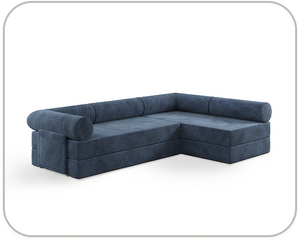
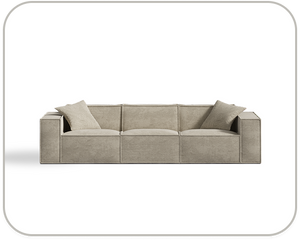
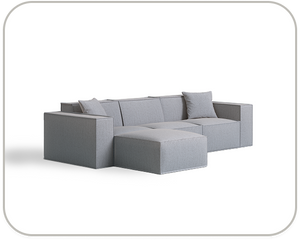
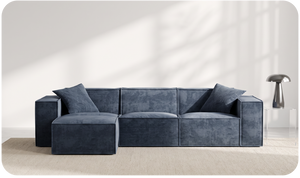
Now, if you have your eye on the Rove Lab’s M1 Sofa Sectional, its minimalist design and neutral tones make it the perfect centerpiece. The versatility of this sofa allows it to blend seamlessly with various color schemes while its SmartFoam cushioning ensures unmatched comfort. It’s a savvy choice for anyone looking to anchor their living room in style.
Balancing Materials and Textures
Mixing materials and textures can add depth and interest to your living space. Combining different finishes like wood, metal, and fabric can create a visually stimulating environment. It's all about balance.
When working with materials, aim for a cohesive look by selecting items that complement each other. For instance, a sleek glass coffee table might beautifully contrast with a plush fabric sofa, while a wooden end table can add warmth. Textures also play a crucial role; a soft, shaggy rug underfoot can be the perfect counterpoint to a leather couch.
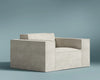
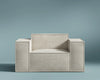
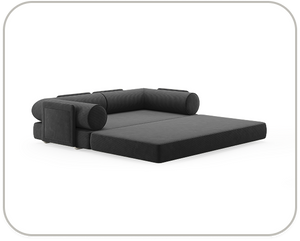
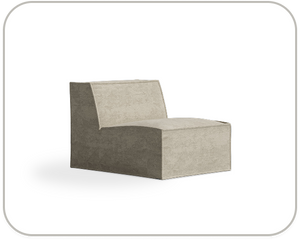
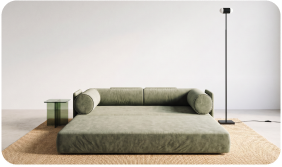
The Rove Lab’s M1 Ottoman Sofa is a prime example of combining texture with functionality. Its vegan performance weave and SmartFoam technology bring both durability and comfort, making it an ideal addition for those who want practicality without sacrificing style.
Finding Harmony in Styles
Mixing furniture styles might seem tricky, but it’s a fantastic way to showcase your personality. The key is to find a common thread that ties them together. You can blend contemporary with vintage or industrial with bohemian—it’s all about creating a narrative.
If you love mid-century modern, consider pairing it with Scandinavian pieces. Both styles favor clean lines and functional design, making them natural partners. On the other hand, if you’re drawn to the rustic charm of farmhouse style, you might introduce some industrial elements for a bit of an edge.
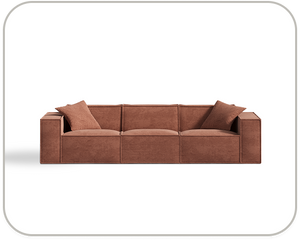
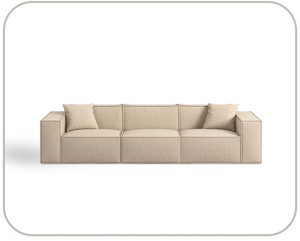
This is where the Rove Lab’s M1 Three-Seater Sofa can play a starring role. Its minimalist design seamlessly integrates with a variety of aesthetics, providing a timeless anchor around which you can build your eclectic mix.
The Importance of Scale and Proportion
Scale and proportion are critical when mixing furniture pieces. A room full of oversized furniture can feel cramped, while too many small pieces can look cluttered. Aim for balance by varying the sizes of your pieces.
For example, if you have a large sectional sofa, consider pairing it with a lighter, more delicate coffee table. Conversely, a small loveseat might benefit from a sturdy end table. The idea is to create visual interest without overwhelming the space.
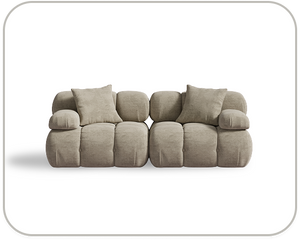
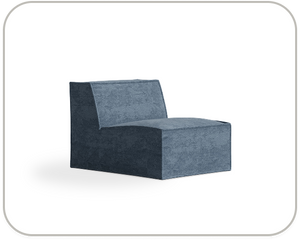
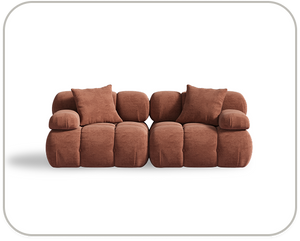
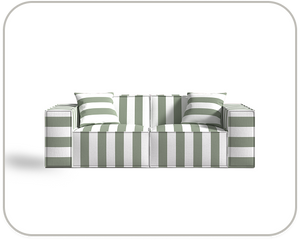
The Rove Lab’s M1 Loveseat Sofa is designed with a low profile that complements both larger and smaller pieces. Its versatility makes it easy to incorporate into any living room arrangement, ensuring your space feels balanced and inviting.
Using Patterns Wisely
Patterns can be a game-changer in a mixed and matched living room. They add character and can act as the binding element between different furniture styles and colors. However, using patterns requires a thoughtful approach.
A good rule of thumb is to start with one bold pattern, such as a large-scale floral or geometric print, on an area rug or an accent chair. Then, introduce smaller patterns in complementary colors through throw pillows or artwork. This layering effect helps create a cohesive look without overwhelming the senses.
Remember, patterns don't just have to be on textiles. Consider incorporating patterned ceramics or abstract art to tie together the various elements in your room.
Arranging for Flow and Function
How you arrange your furniture can significantly impact the room's functionality and ambiance. It’s not just about aesthetics; it’s about ensuring the space works for your lifestyle.
Start by identifying your room's focal point. This could be a fireplace, a beautiful view from the window, or even your television. Arrange your main seating area around this focal point to create a sense of order and purpose. Ensure there’s enough space to move around comfortably, and consider the flow of traffic through the room.
For versatile setups, modular furniture like the M1 Sofa Sectional is ideal. Its modular design adapts to your space, whether you’re entertaining guests or enjoying a quiet evening. This flexibility ensures your living room is always ready for what the day brings.
Lighting: The Unsung Hero
Lighting is often the unsung hero of interior design. It can transform a room, highlighting your carefully curated mix of furniture. The secret is to layer different types of lighting to create a dynamic and inviting atmosphere.
Start with ambient lighting, such as overhead fixtures or recessed lights, to provide general illumination. Then, introduce task lighting through floor lamps or table lamps for reading or working. Finally, add accent lighting, like wall sconces or LED strips, to highlight artwork or architectural features.
Remember, the style of your light fixtures should complement your room’s overall theme. If your space is predominantly modern, opt for fixtures with clean lines and minimalist designs.
Accessorizing with Intention
Accessories are the finishing touches in your mixed and matched living room. They’re like the jewelry for your space, bringing in personality and flair. The trick is to accessorize with intention, choosing pieces that enhance your overall theme.
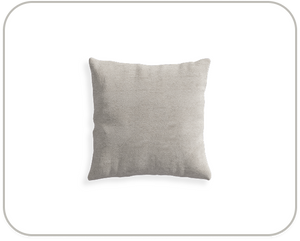
Consider a mix of vases, books, and plants to add life and color. Artwork and mirrors can also serve as focal points. When it comes to throw pillows and blankets, don’t be afraid to play with colors and textures—these are the elements that can be easily swapped out to refresh your space.
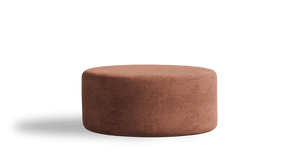
And if you're looking to add a bit of extra comfort, the Rove Lab’s C8 Round Pouf Ottoman is a versatile choice. Its SmartFoam technology and performance weave make it a stylish and durable option for additional seating or a comfortable footrest.
Embracing Personal Touches
Your living room should be a reflection of you, so don't shy away from adding personal touches. Family photos, travel souvenirs, or a collection of your favorite books can make your space uniquely yours.
These personal elements can be integrated into your design through gallery walls, styled bookshelves, or even a dedicated nook. The key is to incorporate them in a way that complements your furniture arrangement, so they feel like a natural part of your decor.
By following these guidelines, mixing and matching your living room furniture becomes a creative and enjoyable process. It’s about experimenting with different elements to find a combination that feels right for you. Remember, there's no one-size-fits-all solution—just like your favorite playlist, your living room should resonate with your personal taste and lifestyle.
Final Thoughts
Mixing and matching furniture in your living room is an art that allows you to express your personal style while creating a harmonious space. Whether you're experimenting with colors, textures, or styles, the goal is to achieve a balanced and inviting environment. And for those looking to simplify the process, the Rove Lab’s M1 Sofa Sectional offers the perfect blend of style and practicality, making it easier to craft a cohesive look. Happy decorating!