![Rove Lab™ [Canada]](http://rovelab.ca/cdn/shop/files/ffd50d6b335e43f560dde12ee492d89e_5.svg?v=1792150825)
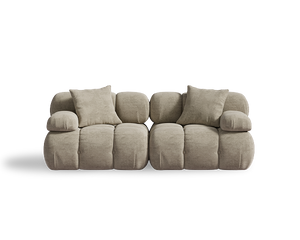
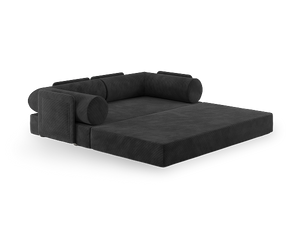
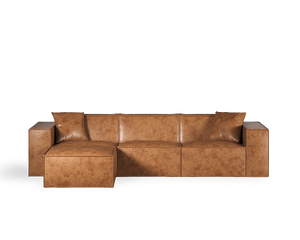
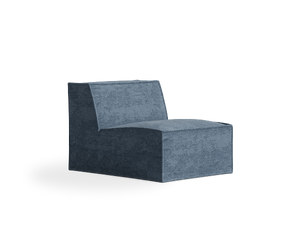
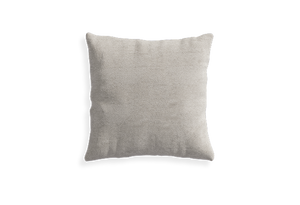
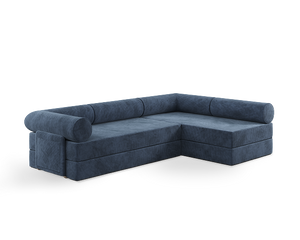
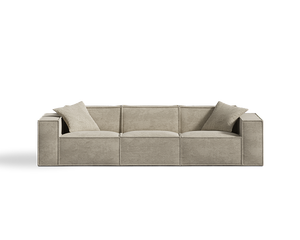
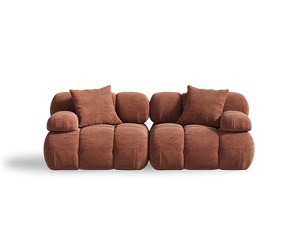
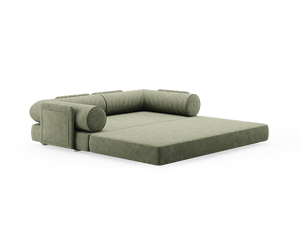
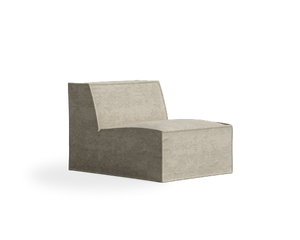

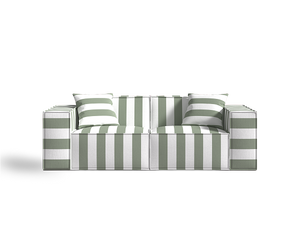
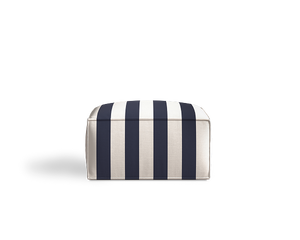
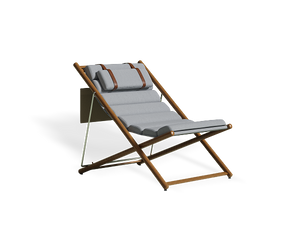
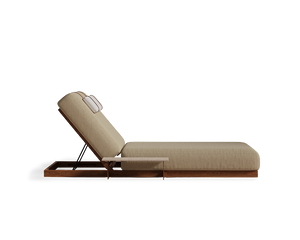


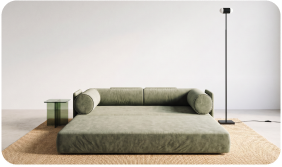
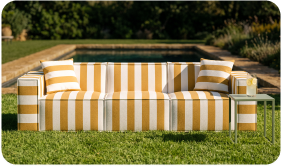

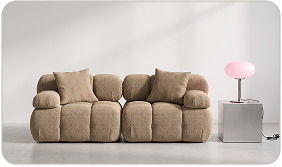

Mixing and matching living room furniture is like assembling a puzzle where each piece not only fits but elevates the whole. It's about crafting a space that's uniquely yours, combining different styles, textures, and colors to form a harmonious whole. Whether you're in a cozy apartment or a modern loft, the art of mixing can transform your living space into a personal haven that perfectly suits you. This guide is here to help you navigate the exciting world of mix-and-match living room furniture, with practical, stylish, and easy-to-implement tips.
Discovering Your Style
The first step in mixing and matching living room furniture is to understand your personal style. Take a moment to reflect on what makes you feel at home. Are you drawn to the clean lines of modern design, or do you prefer the warmth of rustic elements? Maybe a little bit of both. The key is to create a mood board or a collection of images that speak to you. This will serve as a visual guide, helping you stay focused and inspired as you furnish your living space.
Consider the ambiance you want to create. A sleek, minimalist look might require a mix of metal and glass, while a cozy, eclectic space could benefit from the warmth of wood and textiles. Your style isn't limited to one category; it can be a blend of several. By identifying your preferences, you'll have a clearer vision of how to mix different furniture styles coherently and intentionally.
Playing with Colors
Color is one of the most powerful tools in interior design, and mixing and matching furniture is no exception. A well-thought-out color palette can tie disparate pieces together and create a unified look. Start with a neutral base—think whites, grays, or beiges—and build your palette from there. These colors act as a blank canvas, making it easier to incorporate bolder hues without overwhelming the space.
Choose one or two accent colors to add interest and depth. These can come from a piece of art, a throw pillow, or a rug. Remember, balance is key. If you're mixing a vibrant orange chair with a deep navy sofa, add smaller elements, such as throw pillows or vases, that contain both colors to create a sense of harmony. Using color in this way can help bridge different styles and materials, making your living room feel intentional and well-appointed.
Balancing Textures
Mixing textures is another way to add depth and interest to your living room. Consider the tactile elements of your furniture: the softness of a velvet sofa, the roughness of a woven rug, or the smoothness of a glass coffee table. These varying textures create a sensory experience that makes your space more inviting and comfortable.
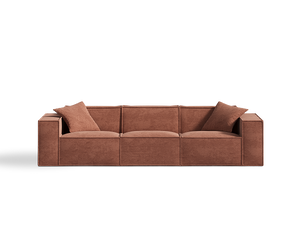
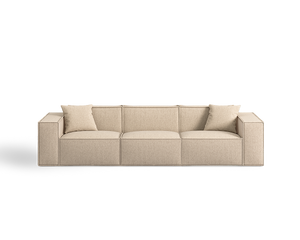
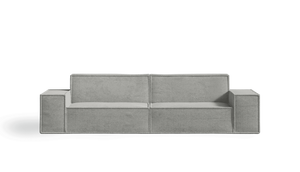
To master the balance of textures, start by layering different materials. You might pair a leather chair with a plush wool throw or mix a metal lamp with a wooden side table. Textures can also be layered within a single piece of furniture. For instance, Rove Lab’s M1 Sofa Three Seater, with its vegan performance weave, offers a smooth yet durable finish that can be easily complemented by a soft, textured blanket or throw pillows.
Mixing Patterns
Patterns can be tricky to mix, but when done right, they add a playful and dynamic element to your living room. Start small if you're new to patterns. Choose one dominant pattern, such as a large floral print, and then mix in a few smaller patterns, such as stripes or geometric shapes. This creates a visual hierarchy that naturally guides the eye around the room.
Consider the scale of your patterns. A large-scale pattern can serve as a focal point, while smaller patterns can provide support. For example, a bold patterned rug can anchor the room, with smaller patterned throw pillows adding depth. Remember to keep the color palette consistent; this will ensure that your patterns work together rather than competing for attention.
Combining Different Furniture Styles
One of the most exciting aspects of mixing and matching living room furniture is combining different styles. Whether it's mid-century modern with industrial or Scandinavian with bohemian, the possibilities are endless. The key is to find a common thread that ties everything together, such as a similar material or color palette.
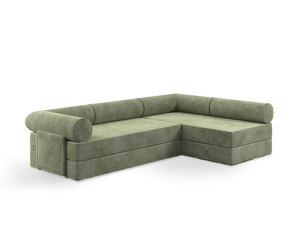
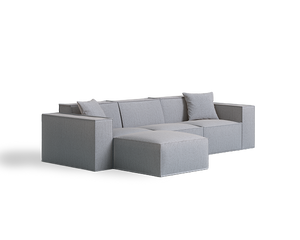
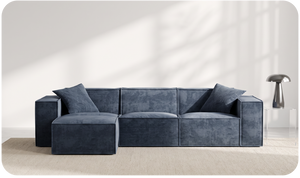
Think about function as well as form. A modern glass coffee table can beautifully complement a vintage armchair if they share common elements, such as a similar hue or material. Rove Lab’s M1 Sectional Sofa, with its minimalist design and modular flexibility, can serve as a versatile anchoring piece, allowing you to experiment with other styles around it without losing cohesion.
Layering with Accessories
Accessories are the jewelry of your living room, and they play a crucial role in mixing and matching furniture styles. Decorative items like vases, artwork, and books can add personality and flair, tying together different elements of the room. Use them to highlight or contrast with larger furniture pieces, creating a layered look that feels intentional and well-thought-out.
When selecting accessories, consider both their aesthetic and functional value. A practical accessory, like a stylish lamp, can provide necessary lighting while adding a touch of style. Art is a great way to introduce new colors or themes without committing to larger furniture pieces. Remember, less is often more. A few well-chosen accessories can make a bigger impact than overcrowding your space with too many items.
Embracing the Unexpected
Don't be afraid to take risks when mixing and matching living room furniture. Sometimes, the most unexpected combinations yield the most beautiful results. That quirky vintage chair you found at a flea market might be the perfect contrast to a sleek, modern sofa. It's these surprises that can make your space truly unique.
Embrace imperfections and "happy accidents." Maybe a piece doesn't quite match, but it adds character and tells a story. Mixing and matching furniture is an art, not a science, and the best results often come from experimentation. So try different arrangements, move pieces around, and don't be afraid to break the rules. Your living room should reflect your personality and be a place where you feel most at home.
Considering Scale and Proportion
When mixing and matching furniture, scale and proportion are essential. These elements ensure that your pieces complement each other rather than clashing. A large sectional sofa might overpower a small room, while a tiny coffee table could get lost in a spacious area. The trick is to balance the size of your furniture with the size of your room.
Start by measuring your space and the dimensions of each piece. This will give you a clear idea of how everything will fit together. Also, consider the visual weight of each item. For example, a bulky sofa will have a heavier visual weight than a slender chair. Mixing pieces with different weights can create a dynamic and balanced composition.
Creating Focal Points
Every room needs a focal point—a spot that draws the eye and anchors the space. When mixing and matching furniture, it's essential to identify this area and arrange your pieces around it. This could be a fireplace, a large window, or even a statement piece like a bold artwork or a vibrant sofa.
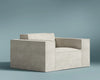
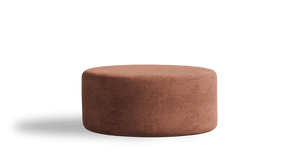
Once you've identified your focal point, arrange your furniture to highlight it. For example, if your focal point is a beautiful view from a window, position your seating to face it. This creates a natural flow and encourages conversation. Rove Lab’s M1 Ottoman Sofa Seat can serve as an adaptable piece, easily moved to accentuate different focal points in your room.
Final Thoughts
Mixing and matching living room furniture is about creating a space that feels personal, functional, and stylish. By considering your personal style, playing with colors and textures, and embracing the unexpected, you can design a living space that truly reflects you. If you're looking for versatile pieces to anchor your design, Rove Lab’s M1 Sectional Sofa offers modular flexibility that adapts to your evolving style and furnishing needs. Enjoy the process, and let your creativity shine!