![Rove Lab™ [Canada]](http://rovelab.ca/cdn/shop/files/ffd50d6b335e43f560dde12ee492d89e_5.svg?v=1792150825)
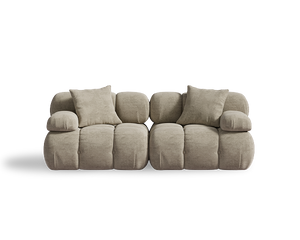
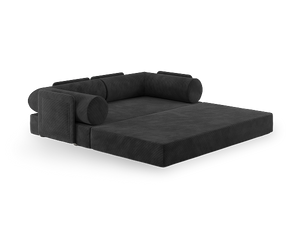
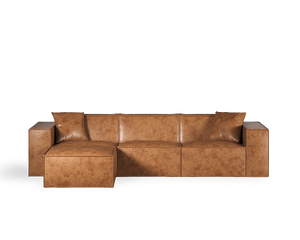
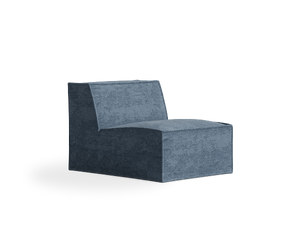






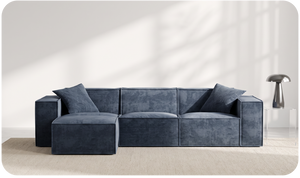



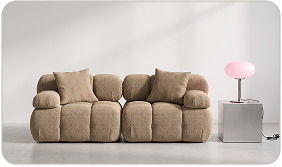
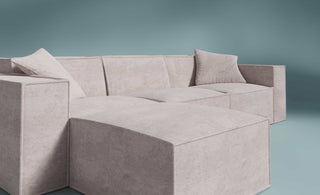
Sectional sofas are more than just furniture—they're the heart of your living room, the cozy spot for movie nights, and sometimes even the extra bed for guests. But before you can enjoy all that comfort, you need to make sure it fits perfectly in your space. Measuring a sectional sofa might seem like a simple task, but there's more to consider than meets the eye. Let's break down the process to ensure you're ready to welcome that perfect sectional into your home without any surprises.
Choosing the Right Location
Before you grab that tape measure, let's talk about location. Your sectional's new home is crucial because it dictates not only the size but also the configuration. Will it be the centerpiece of a grand living room or a snug fit in a cozy corner? Perhaps it's destined for a compact apartment where every inch counts.
Start by identifying the room where your sectional will reside. Consider the flow of traffic. You don't want to block doorways or pathways. And think about the space's function. Will it be a high-traffic area, or is it more of a sanctuary for relaxation? These factors will influence not just the size but also the shape of the sectional you choose.
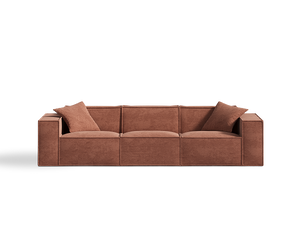
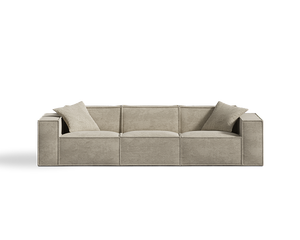
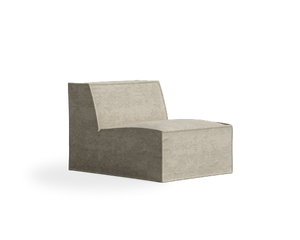
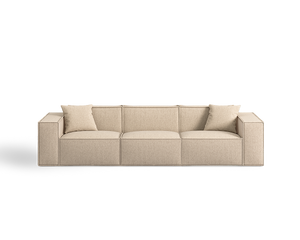
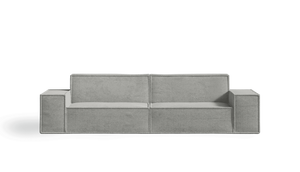
Once you've pinpointed the perfect spot, visualize how the sectional will integrate into the room's layout. This is where modular sectionals, like the M1 Sofa Sectional from Rove Lab, shine. With their flexible design, you can adapt the sectional to your space, ensuring it feels like a natural part of your room.
Measuring Your Space
Now, the tape measure becomes your best friend. Start with the basics: measure the length, width, and height of the area where the sectional will go. This includes noting any architectural features like radiators, window sills, or built-in shelving. Don't forget to consider ceiling height too; you wouldn't want your sectional to overwhelm the room or feel cramped under low ceilings.
- Length: Measure the longest wall or the area along which the sectional will be placed.
- Width: Note the distance from the wall to the opposite side where the sectional will extend.
- Height: Check the ceiling height to ensure the sectional's proportions are appropriate.
Remember to leave a little breathing room. A sectional that's too tightly packed can make a room feel cramped. Aim for at least 18 inches of clearance behind and beside the sectional if possible, leaving you space for side tables, lamps, or simply to move around comfortably.
Understanding Sectional Configurations
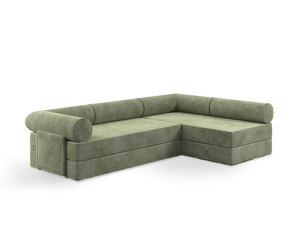
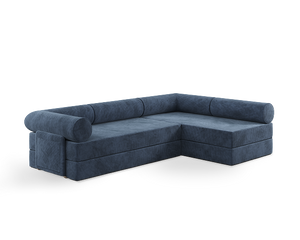
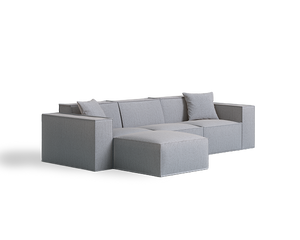
Sectionals come in various configurations—L-shaped, U-shaped, modular, and more. Understanding these styles is key to finding one that suits your space and lifestyle. An L-shaped sectional, for instance, is fantastic for corners, while a U-shaped one can create an intimate lounging area for larger spaces.
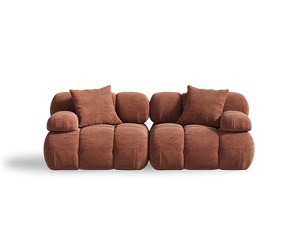
Consider how you'll use the sectional. Do you often entertain guests? A U-shaped sectional might be ideal. Do you prefer a cozy corner? An L-shaped sectional could be perfect. And for those who love to switch things up, a modular sectional offers endless possibilities. The M1 Sofa Sectional is a great example of a modular design that easily adapts to your space, making it a smart choice for modern homes.
Measuring the Sectional Itself
Once you've decided on the type of sectional, it's time to measure the sofa itself. This ensures it will not only fit into the intended space but also through your doorways, hallways, and stairwells. The last thing you want is a sectional stuck in the hallway on delivery day.
- Overall Length: Measure the longest part of the sectional, usually from one armrest to the farthest side.
- Depth: Check the depth from the back of the sectional to the front of the seat.
- Height: Measure from the floor to the top of the backrest.
Don't forget about clearances—measure doorways, hallways, and any tight corners the sectional needs to navigate. A modular design like the M1 Sofa Sectional can be an advantage here, with pieces that are easy to maneuver even in tight spaces.
Considering Additional Features
Sectionals offer more than just seating; they often come with additional features like recliners, chaises, or sleeper sections. These can affect the overall dimensions, so consider them carefully when measuring.
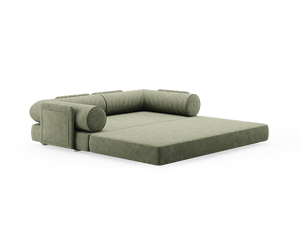
If your sectional includes a chaise, measure its length and width to ensure it doesn't obstruct pathways. For sleeper sectionals, check the space needed when the bed is pulled out. These features can significantly impact the sectional's footprint, so it's crucial to factor them into your measurements.
Rove Lab's modular designs, like the M1 Sofa Sectional, allow for easy reconfiguration, making it simple to adjust pieces to fit your space perfectly, even with these added features.
Thinking About Room Aesthetics
While measurements are crucial, aesthetics also play a big role. Consider the visual impact of your sectional in the room. You want it to complement your decor and enhance the overall look and feel of your space.
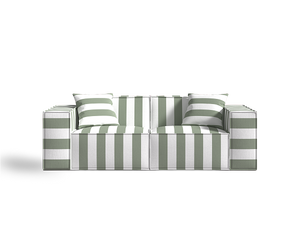
Think about the color, fabric, and style. A sectional can be a statement piece, so choose a design that resonates with your taste and the room's ambiance. If you're going for a minimalist look, a sectional with clean lines and a neutral color palette, like the M1 Sofa Sectional, might be perfect.
Also, consider how the sectional interacts with other furniture. Will it be placed next to a coffee table, or perhaps opposite a fireplace or TV? These elements can influence the size and style of the sectional you choose.
Planning for Future Changes
One of the best aspects of sectionals is their adaptability, especially modular ones. But it's also wise to think ahead. Do you plan on rearranging the room in the future? Will the sectional need to accommodate a growing family or changing needs?
Opting for a modular sectional gives you the flexibility to expand or reconfigure as your needs evolve. The M1 Sofa Sectional is designed for this kind of adaptability, allowing you to rearrange or add pieces easily, ensuring your sectional remains a perfect fit for years to come.
Considering Delivery and Assembly
It's important not to overlook the delivery and assembly process. Ensure that the sectional you choose can be delivered to your space without hassle. Check the dimensions of delivery routes, including doorways, hallways, and stairwells, to avoid any surprises.
Modular sectionals, like the M1 Sofa Sectional, typically come in smaller, manageable pieces that are easier to transport and assemble. This can be a significant advantage, especially if you live in an apartment building with narrow hallways or without an elevator.
Final Adjustments and Placement
Once your sectional is in place, stand back and evaluate. Does it fit comfortably in the space? Is there enough room to move around? Make any final adjustments to ensure it integrates seamlessly into the room, both functionally and aesthetically.
Don't be afraid to experiment with different arrangements. Sometimes, a slight angle or a shift in position can make a big difference in how the sectional interacts with the room. And remember, with a modular sectional like the M1 Sofa Sectional, you have the flexibility to fine-tune the arrangement until it's perfect.
Final Thoughts
Measuring a sectional can seem like a daunting task at first, but with a little planning and consideration, it's entirely manageable. By taking the time to measure your space and the sectional itself, you can ensure a perfect fit that beautifully complements your home. The flexibility of modular options like the M1 Sofa Sectional ensures your space remains adaptable and stylish, no matter how your needs evolve over time. Enjoy the process, and happy furnishing!