![Rove Lab™ [Canada]](http://rovelab.ca/cdn/shop/files/ffd50d6b335e43f560dde12ee492d89e_5.svg?v=1792150825)

















When it comes to enhancing your living room, curtains often play a leading role, even if they're not the first thing that comes to mind. They frame your windows, control light exposure, and add an element of texture and warmth to the space. With the right curtains, you can transform a room from a simple living area into a refined and cohesive environment. So, how do you choose and style curtains to make the most of your living room? Let's explore some practical and creative ways to make your curtains work for you.
Consider Your Room's Natural Light
First things first: think about light. Natural light can make or break a room, and curtains can help you manage how much of it you let in. If your living room is north-facing and doesn't get a lot of sun, you'll likely want to opt for light, sheer curtains. These will allow light to filter through, giving the room a brighter feel. On the other hand, if your room is south-facing and gets a lot of light, you might want heavier curtains that can block out excess sunlight and keep the room cool.
Additionally, the type of fabric plays a significant role. Sheer fabrics like cotton or linen create an airy look, perfect for daylight. Thicker materials such as velvet or heavy cotton are useful if you need to darken the room or keep it warm. Remember, the weight of the fabric affects how they drape, so consider how formal or casual you want your room to feel.
Match Your Curtains to Your Color Scheme
Color coordination is key when it comes to styling curtains. You want them to complement your existing color scheme, not clash with it. If your living room is filled with warm hues, like red and orange, consider curtains in a similar palette, perhaps a deeper shade to add depth. If your room is more neutral, you might want to add a pop of color with your curtains to create a focal point.
If you're feeling adventurous, you could even opt for patterned curtains. Stripes, florals, or geometric designs can add interest and drama to a room. Just make sure the pattern and colors don't overwhelm the existing décor. Subtlety is often the best approach.
Think About Length and Width
Length and width are more than just measurements; they influence the look and function of your curtains. Floor-length curtains tend to elongate a room, making ceilings appear taller. This is especially helpful in smaller rooms or apartments where space is at a premium. If you're going for a more casual look, curtains that just skim the floor work well.
As for width, ensure your curtains are wide enough to cover the entire window when closed, with a little extra fabric to spare. A good rule of thumb is to have the combined width of the curtains 1.5 to 3 times the width of the window. This fullness adds a luxurious feel and ensures they drape beautifully, whether open or closed.
Mounting Techniques Matter
How you hang your curtains can dramatically affect the room's aesthetics. Mounting them close to the ceiling will draw the eye upwards, giving the illusion of taller windows and higher ceilings. This trick is especially useful in rooms with low ceilings.
Another option is outside mounting, where the curtain rod is installed beyond the window frame. This allows the curtains to fall to the side of the window when open, letting in maximum light. Alternatively, inside mounting, where the rod is placed within the window frame, offers a cleaner look but can block some natural light when the curtains are open.
Layering for Depth and Functionality
Layering curtains isn't just a style choice—it's also about functionality. Combining sheer panels with heavier ones gives you control over light and privacy. During the day, you can keep the sheer curtains closed to let in light while maintaining a degree of privacy. At night, the heavier curtains can be drawn for complete privacy.
This layering also adds depth to your décor. It can create a dynamic, multi-dimensional look that adds interest to an otherwise flat wall. Plus, it's a great way to incorporate different textures and colors into your space.
Choosing the Right Hardware
While the curtains themselves are the main attraction, don't overlook the importance of hardware. Curtain rods, brackets, and finials are the finishing touches that can enhance your overall design. Choose hardware that complements your room's style. For a modern look, sleek metal rods work well. For something more traditional, consider wooden rods with ornate finials.
When it comes to installation, ensure the rod is strong enough to support the weight of your curtains. This is especially important for heavier drapes. And don't forget about the rings or hooks—they should glide smoothly along the rod to make opening and closing the curtains effortless.
Integrating Curtains with Furniture
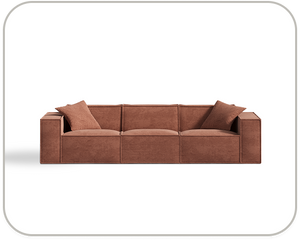
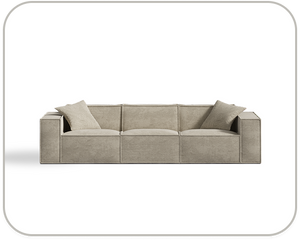
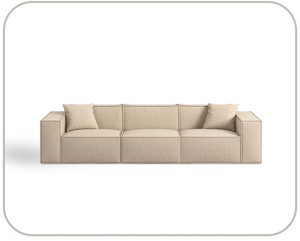
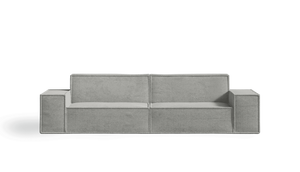
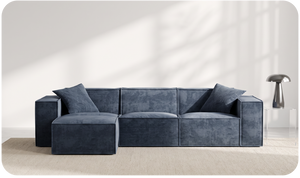
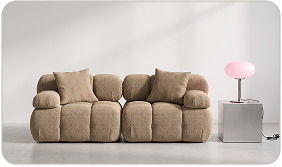
Your furniture and curtains should work together to create a harmonious look. For example, if you have a minimalist arrangement like the M1 Three-Seater Sofa from Rove Lab, choose curtains that reflect that simplicity. Opt for clean lines and neutral colors to keep the focus on your furniture.
If your living room features bold, colorful pieces, consider curtains that pick up on those hues or patterns. This approach ties the room together, creating a cohesive look. For those with eclectic tastes, don't be afraid to mix and match textures and colors. Just ensure there's a common element, such as a color or pattern, that ties everything together.
Maintaining Your Curtains
Once you've styled your curtains to perfection, maintaining them is crucial to keeping them looking fresh. Regular vacuuming with a brush attachment can help remove dust and allergens. For a deeper clean, you may need to hand wash or machine wash them, depending on the fabric.
Check the care label for specific instructions. Delicate fabrics may require dry cleaning, while others might be machine washable. For curtains exposed to sunlight, consider lining them to prevent fading. Similarly, for those in a humid environment, opt for mildew-resistant materials or use a dehumidifier to keep them looking their best.
Adapting Curtains to Seasonal Changes
Changing your curtains with the seasons can refresh your living room without a complete overhaul. In winter, consider thicker, insulating curtains to keep the chill out. Opt for rich, warm colors or textures like velvet to add coziness.
In summer, switch to lighter fabrics and brighter colors to reflect the season. Sheer curtains in white or pastels can give the room an airy, light feel. This seasonal change not only updates your décor but also enhances the comfort and energy efficiency of your living room.
Final Thoughts
Styling curtains in your living room is an art that balances aesthetics and functionality. From choosing the right fabric and color to considering length and mounting techniques, each decision contributes to the overall ambiance of your space. And when your living room features a versatile piece like the M1 Three-Seater Sofa, ensuring your curtains complement this centerpiece can elevate your entire décor. Remember, the right curtains can transform a simple room into a beautifully appointed haven.