![Rove Lab™ [Canada]](http://rovelab.ca/cdn/shop/files/ffd50d6b335e43f560dde12ee492d89e_5.svg?v=1792150825)




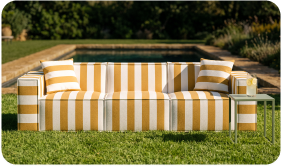
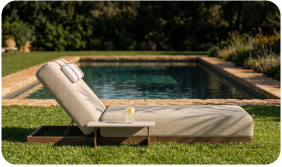
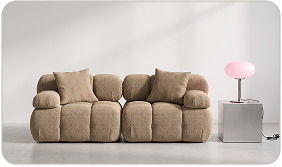
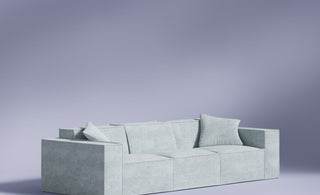
Curved sofas are like the sophisticated socialites of the furniture world. They know how to make a statement, draw attention, and invite lively conversations. Placing one in your living space can completely transform the dynamics of the room, offering both style and functionality. But positioning such a showstopper requires a bit of strategy. Let’s dive into how to make a curved sofa the star of your home without overwhelming the space or sacrificing comfort.
Understanding the Allure of Curved Sofas
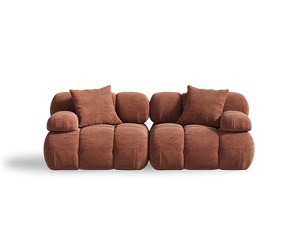
So, why choose a curved sofa? For starters, they break away from the predictable straight lines of traditional furniture, adding a sense of movement and fluidity to a room. This can soften the look of angular spaces and make the area feel more welcoming. Plus, the curve naturally encourages social interaction, as it subtly prompts people to face each other, making conversations feel more intimate.
Curved sofas also excel at creating a focal point. They draw the eye and can anchor a room beautifully, often becoming the center around which the rest of your décor revolves. This is especially useful in open-plan living spaces where defining different zones can be a challenge.
Finally, there's an element of luxury associated with curved designs. They often suggest a bespoke, designer feel that can elevate the overall aesthetic of your home. It’s not just about filling a space; it’s about doing it with flair and function.
Choosing the Right Size and Scale
The first step in placing a curved sofa is ensuring it's the right size for your room. A sofa that’s too large can overpower the space, while one that’s too small might look out of place. Consider the room’s dimensions and the purpose of the sofa. Are you trying to create a cozy nook or a grand entertaining area?
- Measure your space first. Knowing the exact dimensions will help you find the perfect fit. Don't forget to account for walkways and other furniture.
- Visualize the sofa in your space. Use painter's tape on the floor to outline where the sofa will sit. This helps in understanding how much space it will occupy.
- Consider the height of the sofa. A low profile can help maintain an open, airy feel, especially in smaller rooms. Conversely, a higher back can offer more support and a more traditional look.
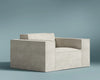
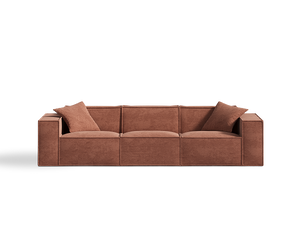
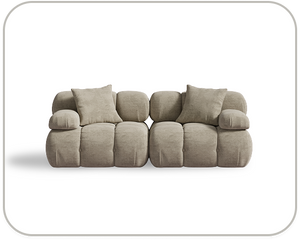
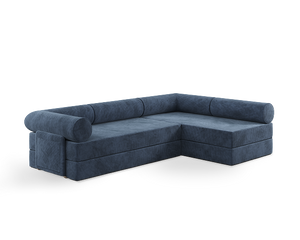
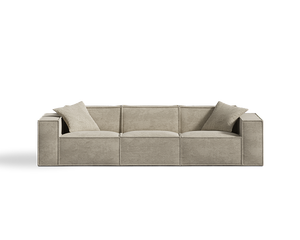
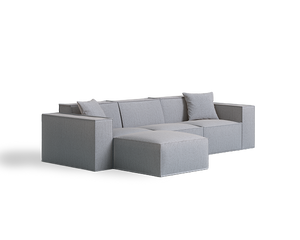
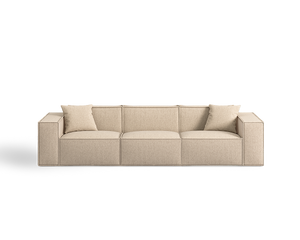
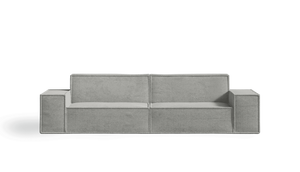
Interestingly, curved sofas like Rove Lab’s M1 Three Seater Sofa offer a modular design, allowing you to tailor the arrangement to fit your space perfectly. This flexibility can be a game-changer in ensuring your sofa is not just a piece of furniture, but a functional part of your living area.
Finding the Perfect Placement
Once you’ve got the right size picked out, it's time to decide where your curved sofa should live. There are a few key factors to consider:
Center Stage Placement
Placing your curved sofa in the middle of the room can create a striking visual impact. This works well in larger, open spaces where you need to define a lounging area. This placement can also help break up the room into distinct zones, perfect for open-plan living.
Against a Wall
If space is at a premium, positioning the sofa against a wall can save space while still allowing the curve to shine. This is particularly effective in smaller living rooms or apartments where every inch counts.
In Front of a Window
A curved sofa can beautifully frame a window, making it a natural spot to enjoy the view while adding symmetry to your space. Just ensure there's enough clearance from the window to avoid blocking light or the view.
Complementing with Other Furniture
A curved sofa is a statement piece, but it doesn't have to stand alone. Pairing it with complementary furniture can enhance its impact and functionality.
- Accent Chairs: Consider adding a couple of accent chairs to form a crescent shape around a coffee table. This setup encourages conversation and balances the room's layout.
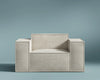
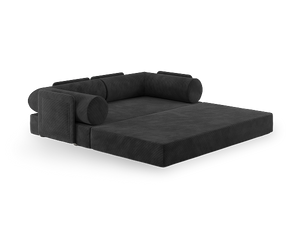
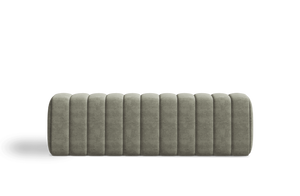
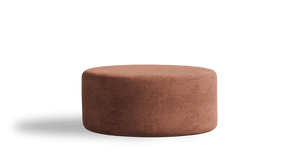
- Ottomans: These versatile pieces can provide extra seating or serve as footrests. Rove Lab’s M1 Ottoman Sofa Seat is an excellent choice for a cohesive, minimalist look.
- Side Tables: Position side tables at each end of the sofa for convenience and to provide a spot for lamps or decorative items.
Remember, the goal is harmony. You want your curved sofa to stand out, but not at the expense of the room’s overall balance and utility.
Playing with Textures and Colors
Now that your curved sofa is in place, it's time to think about textures and colors. These elements can significantly influence the mood and style of the room.
- Contrasting Textures: Pair your sofa with a variety of textures to add depth. Think soft throws, plush rugs, or even some sleek metallic accents.
- Color Coordination: A neutral sofa provides a canvas for colorful throw pillows and blankets. On the other hand, a vibrant sofa might require more subdued accessories to prevent the space from becoming overwhelming.
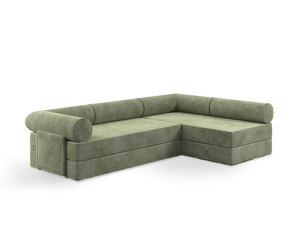
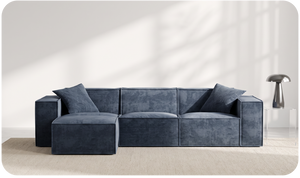
The stain-resistant fabric of Rove Lab’s sofas, like the M1 Sofa Sectional, means you can embrace bold colors without worrying about maintenance—perfect for those who love to entertain or have kids and pets.
Lighting Considerations
Lighting can make or break the ambiance of your living space. When working with a curved sofa, consider how light interacts with its form and the surrounding area.
Natural Light
Positioning your sofa to take advantage of natural light can enhance its fabric and color, making it a more inviting spot. But be mindful of direct sunlight, which can fade fabrics over time.
Artificial Lighting
Use floor lamps or pendant lights to highlight the curve and create a cozy atmosphere. A well-placed spotlight can draw attention to your sofa, making it the centerpiece it deserves to be.
Incorporating Area Rugs
An area rug can anchor your seating arrangement and add warmth to the room. Here’s how to get it right:
- Size Matters: The rug should be large enough to fit under the front legs of the sofa and any adjacent chairs. This ties the seating area together.
- Shape Consideration: A round rug can complement the sofa's curves, while a rectangular one might offer a contrast. The choice depends on the overall look you’re going for.
When selecting a rug, keep in mind the colors and textures of your sofa and other furniture to ensure everything harmonizes beautifully.
Creating a Cohesive Look
A curved sofa can be a bold choice, but it should still feel like part of a coherent design. Here’s how to tie everything together:
- Color Palette: Stick to a consistent color palette throughout the room. This makes disparate elements feel like they belong together.
- Repetition of Shapes: Echo the curve of the sofa in other elements, such as a round coffee table or circular wall art.
- Balanced Decor: Make sure the room doesn't feel lopsided. Balance the visual weight of the sofa with decorative elements on the opposite side of the room.
Remember, the idea is to create a space that feels balanced and intentional, where every piece complements the others.
Adapting with Rove Lab’s Modular Furniture
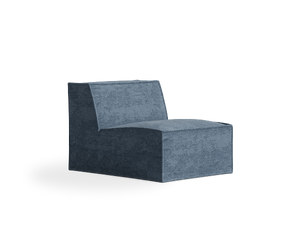
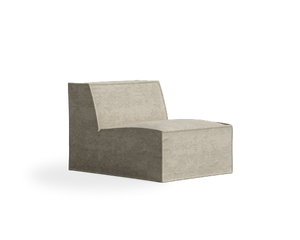
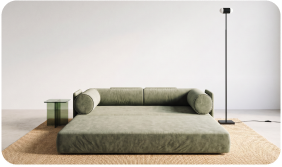
Finally, consider the flexibility that comes with modular furniture. Curved sofas, such as those from Rove Lab, offer adaptability that’s perfect for evolving spaces. Whether you’re rearranging for a dinner party or need to shift things around for a growing family, these sofas are designed to move with you.
The M1 Sofa Sectional is a prime example of how modular design can cater to different needs, providing style without sacrificing practicality. Its sections connect seamlessly, ensuring it remains stable while giving you the freedom to reconfigure as needed.
With these tips in hand, you're ready to make your curved sofa not just a piece of furniture, but a beloved part of your home that enhances both style and comfort.
Final Thoughts
Positioning a curved sofa can transform your space into a chic and inviting environment. With the right placement, complementary furniture, and thoughtful décor, you can create a living area that is both stylish and functional. Consider modular options like Rove Lab’s M1 Sofa Sectional for flexibility that adapts to your lifestyle. It’s more than just a sofa—it’s a way to make your home as dynamic and evolving as your life.