![Rove Lab™ [Canada]](http://rovelab.ca/cdn/shop/files/ffd50d6b335e43f560dde12ee492d89e_5.svg?v=1792150825)



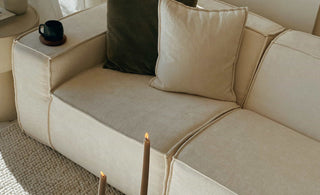
Placing a sofa in a small living room is like solving a puzzle, where each piece must fit perfectly to complete the whole. It's a task that combines creativity and practicality, and one that can transform your space into a haven of peace or a cluttered nightmare. Let's talk about how you can make the most of your small living room with the right sofa placement, ensuring comfort and style without compromise.
Understanding Your Space
Before you even think about where to place your sofa, take a good look at the space you have. Measure the room, paying attention to the dimensions of walls, windows, and any architectural features like fireplaces or built-in shelves. You might think your space is simply too small, but with the right measurements, you'll often discover it has more potential than you imagined.
Consider the purpose of your living room. Is it a space where you entertain guests, or is it a personal retreat for relaxation? This will influence the type of sofa you choose and how you arrange it. For example, if you often have friends over, you might prioritize seating capacity. But if it's your calm oasis, comfort might come first.
Next, think about the flow of traffic in the room. How do you move through the space? You don't want to place a sofa in a way that obstructs pathways or makes the room feel cramped. On the other hand, strategic placement can create comfortable zones or enhance the room's functionality.
Choosing the Right Sofa
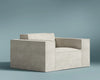
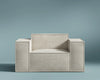
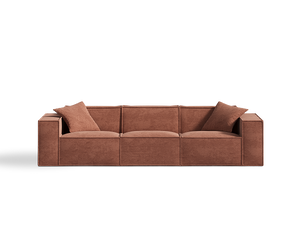
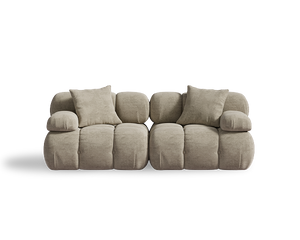
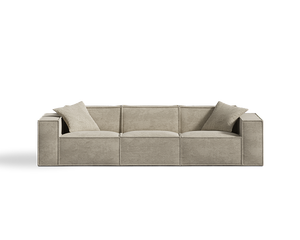
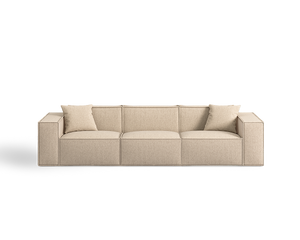
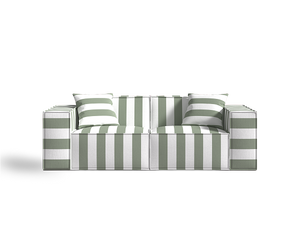
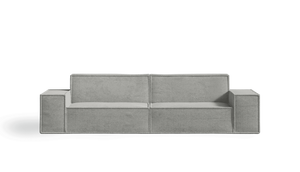
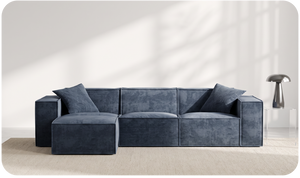
Now that you understand your space, let's talk about the sofa itself. In a small living room, size matters. A large sectional might offer plenty of seating, but it can overwhelm the space. Conversely, a tiny loveseat might leave the room feeling empty and uninviting. This is where the M1 Three-Seater Sofa from Rove Lab comes in handy. It offers a minimalist design with a low profile, perfect for small spaces without sacrificing comfort or style.
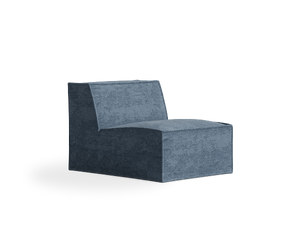
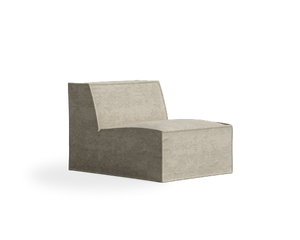
Consider modular options, like Rove Lab's M1 series, which allow you to adapt the sofa layout to your current needs and the size of your room. This flexibility is invaluable, especially if you anticipate changes in your living situation or simply enjoy rearranging furniture periodically for a fresh look.
Another factor to consider is the sofa's color and material. Lighter colors can make a room feel larger, while darker hues can make it feel more intimate. The choice of fabric also plays a role—something durable and stain-resistant, like Rove Lab's vegan performance weave, ensures your sofa stays looking great even with regular use.
Against the Wall or Floating?
A common question is whether to place the sofa against the wall or let it "float" in the room. Both options have their merits, and the best choice depends on your space and style.
Placing the sofa against a wall is a classic choice, especially in very small rooms. It maximizes floor space and leaves more room for other furniture or simply open space. It's also a good option if you want the room to feel open and airy.
On the other hand, floating the sofa can create distinct zones within a room, such as a cozy seating nook or a specific area for watching TV. This approach works well if the room is slightly larger or if you have an open-plan living space. A floating sofa can also act as a room divider, providing a natural boundary between different functional areas.
When floating a sofa, consider using a rug to define the area and anchor the furniture. This can prevent the space from feeling disjointed and provide a visual guide for the room's layout.
Corner Placement: Utilizing Every Inch
In small living spaces, every inch counts, and corner placement can be a smart choice. By placing your sofa in a corner, you can free up the center of the room, giving the illusion of more space. This also leaves more room for movement and other furniture, like a coffee table or accent chairs.
This configuration is particularly useful if your living room also serves as a multi-functional space. By tucking the sofa into the corner, you can use the rest of the room for other activities without feeling cramped. Plus, it can create a cozy nook perfect for reading or watching TV.
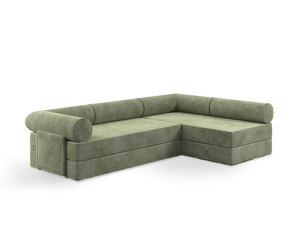
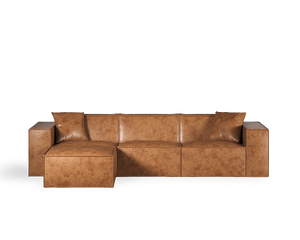
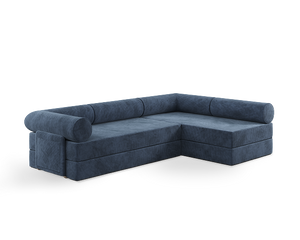
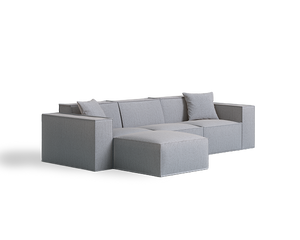
For corner placements, consider a sectional that can fit the specific dimensions of your room. A model like Rove Lab's M1 Sectional Sofa is ideal, thanks to its modular design that allows you to configure it perfectly for any corner.
Using a Loveseat for Versatility
If a full-sized sofa feels too overwhelming for your space, a loveseat can be a fantastic alternative. Loveseats offer ample seating for two people and can fit comfortably in smaller spaces without making the room feel cluttered.
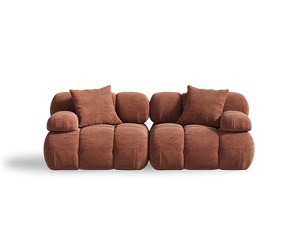
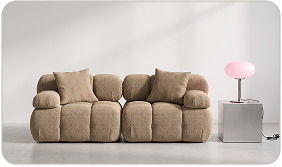
The trick with a loveseat is to pair it with other seating options to create a flexible arrangement. This could mean adding a couple of stylish armchairs or even a pair of ottomans that can be easily moved as needed. Rove Lab's M1 Loveseat Sofa is a great example, offering a chic yet practical solution for small spaces.
Loveseats also work well in open-plan living areas, where they can help define the living space without blocking sightlines or making the room feel too divided. Their smaller footprint allows for more creativity in arrangement and can be easily repositioned if your needs change.
Incorporating Dual-Purpose Furniture
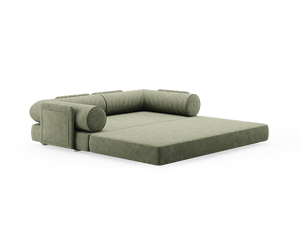
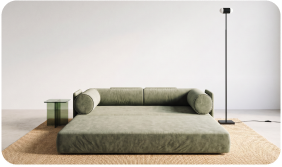
When space is at a premium, furniture that serves multiple functions can be a lifesaver. Consider a sofa with built-in storage, or one that can convert into a bed for guests. These options not only save space but also add functionality to your living area.
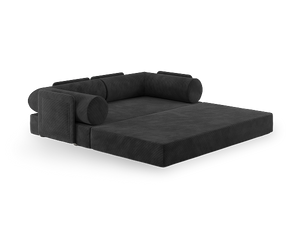
A sectional with a chaise lounge, for example, can offer a comfortable spot to stretch out while also providing hidden storage for blankets or extra cushions. Similarly, a sofa bed can transform your living room into a guest bedroom in a flash, ensuring you're always ready for visitors.
Multi-functional furniture is particularly valuable in studio apartments or homes where every square foot counts. By choosing pieces that do double duty, you can create a space that feels open and organized, rather than cluttered and chaotic.
Creating a Focal Point
In any room, a focal point draws the eye and anchors the space. In a small living room, your sofa can serve this purpose, providing a central piece around which you arrange the rest of your furniture.
To make your sofa the focal point, consider placing it opposite a significant architectural feature, like a fireplace or a large window. This not only makes the most of the room's natural characteristics but also creates a balanced and harmonious look.
Enhance this focal point with complementary accessories, such as a bold piece of art above the sofa or a striking rug underneath. These elements can tie the room together and make the sofa feel like an integral part of the overall design.
Lighting: The Unsung Hero
Never underestimate the power of good lighting. It can transform a small living room, making it feel larger, more inviting, and beautifully comfortable. Consider how natural light interacts with your sofa placement, and add lamps or overhead lighting to enhance the ambiance.
If your sofa is against a wall, sconces can provide soft, diffused light without taking up floor space. Alternatively, a floor lamp next to a sofa that floats in the room can create a cozy reading nook and add height to the space.
Also, think about the color temperature of your light bulbs. Warmer tones can make a room feel inviting, while cooler tones can brighten the space and make it appear larger. Finding the right balance can elevate the entire atmosphere of your living room.
Adding Personal Touches
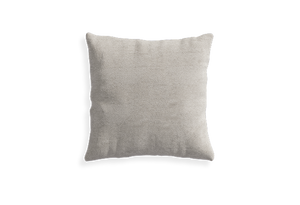
Your living room should reflect your personality, and your sofa is a fantastic canvas for personal touches. Consider using decorative pillows, throws, or a decorative tray on a nearby coffee table to add color and texture.
You might also consider adding a centerpiece, such as a unique piece of art or an interesting sculpture, to enhance the room's character. These elements not only personalize the space but also draw attention to your beautifully placed sofa.
Remember, a well-placed sofa in a small living room is more than just a piece of furniture—it's a statement. By considering your space, choosing the right sofa, and utilizing strategic placement, you can create a living area that is both functional and inviting.
Final Thoughts
Finding the perfect spot for your sofa in a small living room is all about balance. It's about making the most of your space while creating an area that feels both comfortable and stylish. A piece like Rove Lab's M1 Three-Seater Sofa, with its minimalist design and practical features, can make all the difference. Whether you choose to place it against a wall or let it float in the room, remember that the ultimate goal is to create a space that feels like home.