![Rove Lab™ [Canada]](http://rovelab.ca/cdn/shop/files/ffd50d6b335e43f560dde12ee492d89e_5.svg?v=1792150825)




Choosing the perfect rug for your living room is like finding the right pair of shoes for an outfit—it can make or break the entire look. An 8x10 rug is a versatile choice for many spaces, offering just enough coverage to anchor your furniture without overwhelming the room. But placing it correctly can be a bit of an art. Let's break down the steps to ensure your rug not only fits your room but elevates the entire space.
Understanding Your Space
Before you even unroll that beautiful 8x10 rug, take a moment to consider your living room's layout. It's not just about floor space; think about furniture placement, natural light, and walkways. An 8x10 rug can define a conversation area in an open-plan layout or unify a small room by anchoring all the furniture.
- Measure Your Room: Knowing the exact dimensions of your space helps you visualize how the rug will fit. A 12x15 foot room, for example, would leave about 2 feet of space around an 8x10 rug—perfect for creating a cozy seating nook.
- Consider Furniture Placement: Are you working with a sectional, a sofa, or a couple of loveseats? Understanding your furniture arrangement will guide your rug placement.
- Visualize Walkways: Leave enough room for movement. You don't want the rug to obstruct natural pathways, turning your living room into an obstacle course.
These considerations will guide you in choosing the best placement for your rug, ensuring it complements rather than complicates your layout.
Placing Under a Sectional Sofa
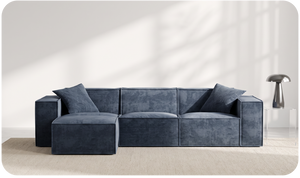
An 8x10 rug can beautifully frame a sectional sofa, making it feel like the focal point of your living room. The key is to ensure the rug extends beyond the sectional's edges to create a balanced look.
- Front Legs On: Position the rug so that the front legs of your sectional sofa rest on it. This creates a unified look and prevents the rug from appearing to float in the room.
- Anchor with a Coffee Table: Place your coffee table on the rug as well. This not only anchors the rug but also ties the seating area together.
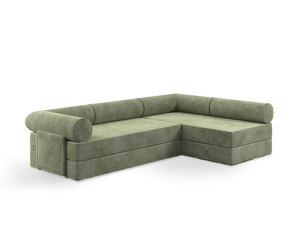
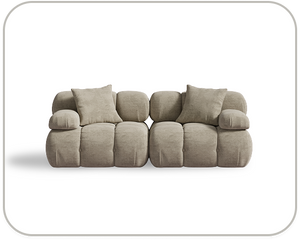
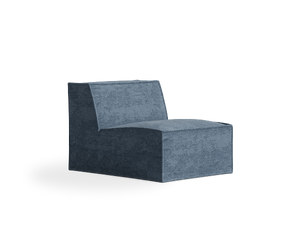
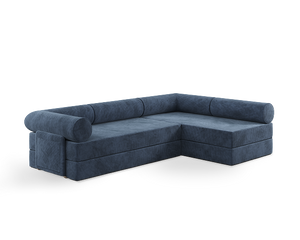
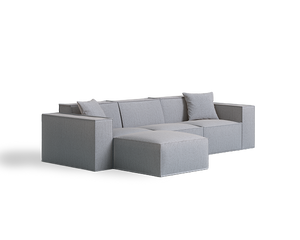
- Consider the Rove Lab M1 Sectional Sofa: For a stylish and adaptable arrangement, the Rove Lab M1 Sectional Sofa offers a modular design that works perfectly with an 8x10 rug, allowing you to reconfigure your space as needed.
By following these tips, your sectional and rug will complement each other, creating a cohesive and inviting space.
Arranging with a Sofa and Loveseat
If your living room features a classic sofa and loveseat combination, an 8x10 rug can beautifully tie both pieces together. The trick here is to maintain symmetry and ensure the rug extends far enough to connect both seating options.
- Unified Seating: Place the rug so that it's under the front legs of both the sofa and the loveseat. This creates a visual bridge between the two, unifying the seating area.
- Balance with Accessories: Add end tables or floor lamps at the edges of the rug to frame the space and provide balance.
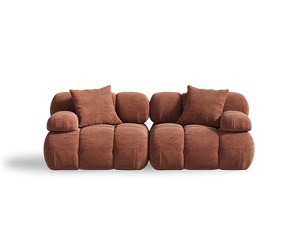
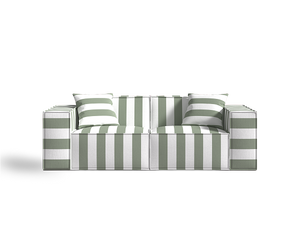
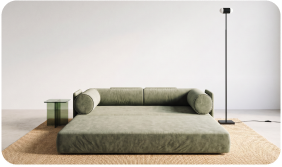
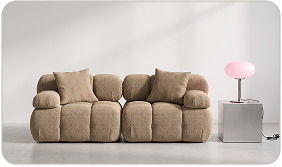
- Try the M1 Sofa Loveseat: For a modern touch, consider the Rove Lab M1 Sofa Loveseat. Its minimalist design pairs well with an 8x10 rug, offering a look that's both comfortable and stylish.
Positioning your rug to connect your seating pieces can create a harmonious flow, making the room feel both spacious and intimate.
Using the Rug as a Focal Point
An 8x10 rug can be more than just a background piece—it can be the star of your living room. If you have a stunning rug with intricate patterns or bold colors, let it shine by building your room around it.
- Color Coordination: Choose accent pieces like throw pillows, blankets, or artwork that pull colors from your rug, creating a cohesive look.
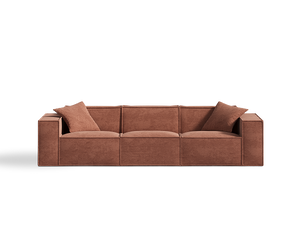
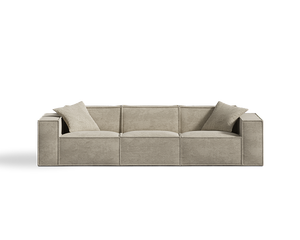
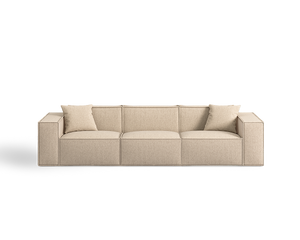
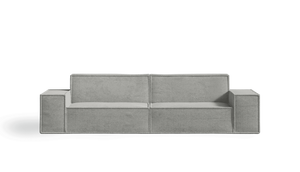
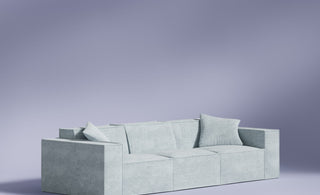
- Minimalist Furniture: Opt for simple, elegant furniture that won't compete with your rug. The minimalist design of the Rove Lab M1 Three Seater Sofa is perfect for showcasing a vibrant rug.
- Strategic Lighting: Use lighting to highlight the rug. A well-placed floor lamp or track lighting can draw attention without overwhelming the space.
By treating your rug as a focal point, you can create a living room that's both vibrant and cohesive, capturing attention as soon as someone walks in.
Creating Zones in Open Spaces
For those with open-concept layouts, an 8x10 rug can help define distinct zones within the larger space. This is particularly useful in lofts or homes with combined living and dining areas.
- Designate a Seating Area: Position the rug to anchor your main seating area, visually separating it from other parts of the room.
- Complementary Rugs: Use additional rugs in other zones to create a sense of cohesion. Ensure they complement each other in style and color.
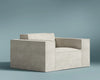
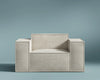
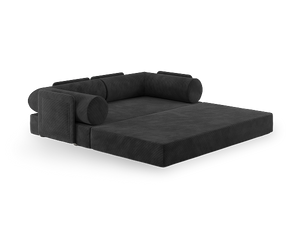
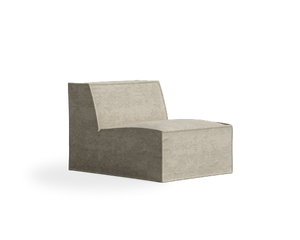
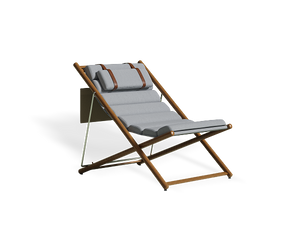
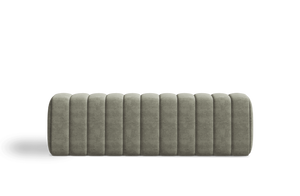
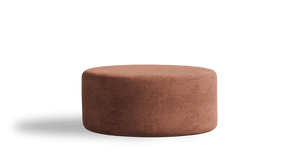
- Multifunctional Furniture: Consider modular pieces like the Rove Lab M1 Ottoman Sofa Seat. Its versatility allows it to adapt to various zones, making it an ideal addition to open spaces.
By using rugs to create zones, you can maintain an open feel while providing structure and organization to your living space.
Balancing with Furniture Legs
When laying down an 8x10 rug, a common question is whether to have all furniture legs on the rug, just the front legs, or no legs at all. Each option offers a different aesthetic and can influence the overall feel of the room.
- All Legs On: This creates a more formal, cohesive look, ideal for a traditional setting.
- Front Legs On: The most popular choice, offering a balanced look that still anchors the furniture without overwhelming the space.
- No Legs On: This casual approach works well in smaller rooms where the rug acts more as an accent piece.
Choosing the right leg placement can enhance your room's style, ensuring your rug complements rather than clashes with your furniture.
Layering Rugs for Texture
If you're looking to add depth and texture to your living room, consider layering your 8x10 rug with smaller accent rugs. This technique can introduce new colors and patterns, creating a rich and inviting atmosphere.
- Start with a Neutral Base: Use your 8x10 rug as a neutral foundation, then layer a smaller, bolder rug on top.
- Mix Patterns: Don't be afraid to mix patterns. A geometric design can pair beautifully with a floral or abstract motif.
- Textural Contrast: Combine different textures for added interest, such as a shag rug over a flat-weave base.
Layering rugs allows you to play with texture and pattern, adding a personalized touch to your living room decor.
Choosing the Right Rug Material
The material of your rug can influence both its appearance and durability. Whether you have pets, children, or frequent guests, choosing the right material ensures your rug stands up to daily life.
- Wool: Known for its durability and softness, wool is an excellent choice for high-traffic areas.
- Synthetic Fibers: Materials like nylon and polyester are stain-resistant and budget-friendly, ideal for families with kids or pets.
- Natural Fibers: Options like jute or sisal offer a rustic look but may not stand up to heavy wear.
By selecting the right material, you can ensure your rug not only looks great but also lasts for years to come.
Maintaining Your Rug's Beauty
Once you've found the perfect spot for your 8x10 rug, keeping it fresh and vibrant is essential. Proper maintenance extends its lifespan and keeps your living room looking its best.
- Regular Vacuuming: Frequent vacuuming prevents dirt and debris from settling into the fibers.
- Spot Cleaning: Address spills immediately to prevent stains. A mild detergent and water usually do the trick.
- Professional Cleaning: Consider professional deep cleaning every 12-18 months, especially for wool rugs.
With regular care, your rug will continue to enhance your living room, providing comfort and style for years to come.
Final Thoughts
Placing an 8x10 rug in your living room is more than just covering floor space—it's about enhancing your home's entire aesthetic. Whether you're anchoring a sectional, defining zones in an open space, or showcasing a stunning design, the right rug placement can transform your living room into a stylish sanctuary. For those looking to pair their rug with sleek, adaptable furniture, the Rove Lab M1 Sectional Sofa is a fantastic choice, offering both flexibility and modern design.