![Rove Lab™ [Canada]](http://rovelab.ca/cdn/shop/files/ffd50d6b335e43f560dde12ee492d89e_5.svg?v=1792150825)

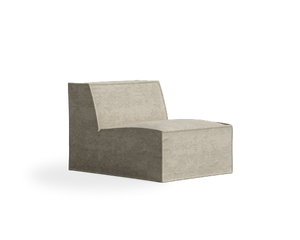

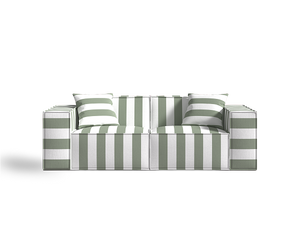







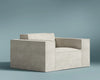
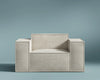
Finding the right spot for your TV in the living room can feel like a puzzle. It’s not just about where it fits, but how it integrates into the life of your space. You want it to be the focal point, without overpowering everything else. Let’s explore how to place your TV so it complements your living area, without making it feel like an electronics showroom.
The Right Height: Finding the Golden Ratio
First things first, the height you mount or place your TV is crucial. You want it to be at eye level when you’re seated. A general rule of thumb is to have the center of the screen about 42 inches from the floor, but let’s be real—every seat is different, and so are individual preferences. Sit on your couch and see where your eyes naturally fall. That’s your sweet spot.
But what if you have a mix of seating heights? Here’s a tip: prioritize the most frequently used seat for TV viewing. If you’re still unsure, err on the side of a lower height. A TV that’s slightly below eye level is more comfortable than one that’s too high. Think of it this way: it’s easier to glance slightly down than to crane your neck up.
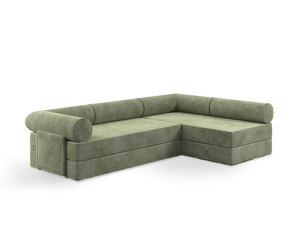
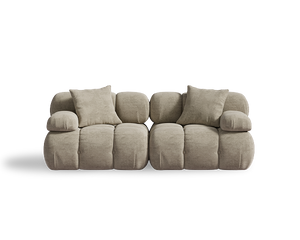
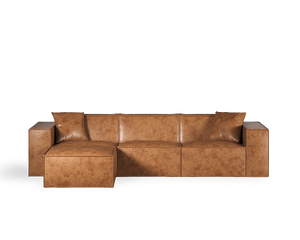
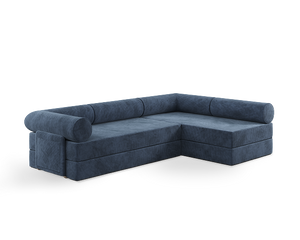
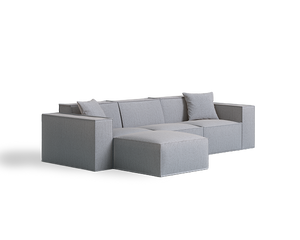
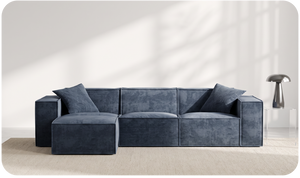
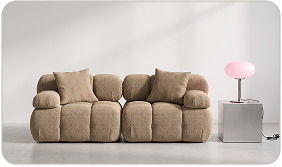
And speaking of couches, if you’re looking for something that adapts to your space, check out the M1 Sofa Sectional from Rove Lab. Its modular design means you can set it up to optimize your TV viewing angles.
Distance Matters: How Far is Too Far?
Next, let’s talk about distance. How far should you sit from the TV? This largely depends on your screen size. A common guideline is to sit at a distance of 1.5 to 2.5 times the diagonal size of your TV. For a 55-inch TV, that means sitting anywhere between about 6.5 to 11 feet away.
However, this isn’t set in stone. Do you prefer a more immersive experience? Then sitting closer might be your thing. But if you’re someone who likes to take in the whole room while watching a show, sitting a bit further back might be better.
Remember, this is your home and your comfort. You might even find that by slightly altering the distance, you can change your entire viewing experience. So don’t be afraid to experiment until you find what works for you.
Glare and Light: Battling the Elements
Glare can really spoil the fun when you’re trying to enjoy a movie or your favorite show. The best way to deal with glare is to consider the natural light in your room. Ideally, your TV should be placed perpendicular to windows to minimize reflections.
If you can’t avoid placing your TV near a window, consider investing in blackout curtains or blinds. It’s a small change that can make a huge difference. Some people even go as far as using an anti-glare screen protector. But before you spend more on accessories, try to solve the issue with your room layout first.
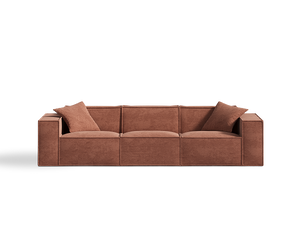
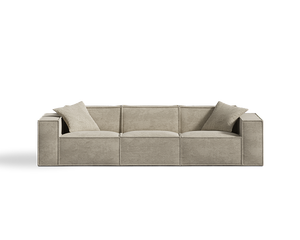
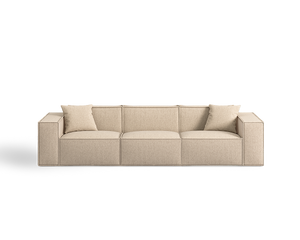
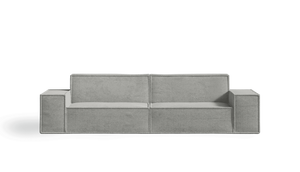
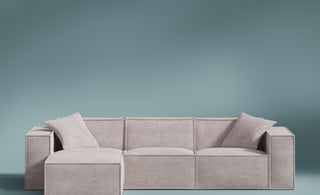
Interestingly, the furniture you choose can also help mitigate glare. Something like the M1 Three Seater Sofa from Rove Lab offers a low profile, which can help keep your seating arrangement flexible and adaptable to any lighting changes you make.
Harmony with Decor: It’s Not Just About the TV
Your TV might be a central feature, but it shouldn't be the only star of the show. Think about how it blends with your existing decor. Do you want it to recede into the background or stand out? Mounting your TV can make it look like a piece of art, especially if you use a wall color that complements your screen’s bezel.
A TV stand with storage can also double as a decorative piece. Choose one that matches the rest of your furniture. This can be a great spot to add some baskets or books to soften the tech-heavy look. If your style leans more towards clean and minimalist, consider concealing cables by using cable management solutions.
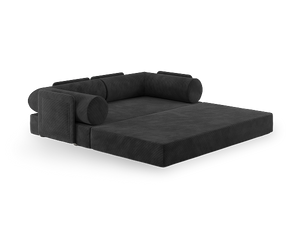
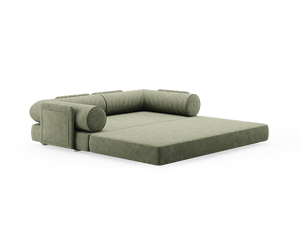
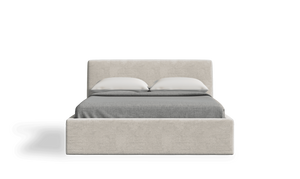
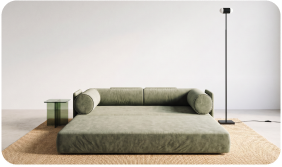
And hey, if you have pets, don't forget about them! Keeping cables out of reach is a must. For the pet lovers, Rove Lab's M1 Dog/Cat Bed could be a stylish addition that keeps your furry friends cozy while you all enjoy some TV time.
Incorporating Sound: Not Just the Picture
While picture quality is important, don’t underestimate the power of good sound. Your audio setup should complement your TV placement. If you have a soundbar, it should be centered right below the TV. For surround sound systems, speakers should be placed at ear level for the best experience.
In-wall speakers offer a sleek look, but consider where you’ll run the wires. Wireless speakers can offer more flexibility, but you might find their placement limited by their need for power sources.
Incorporating sound elements into your living room design can elevate your entire viewing experience. Just as a great sectional sofa can enhance your comfort, the right sound setup can make your TV time feel more like a trip to the movies.
Going Modular: Adapting to Your Needs
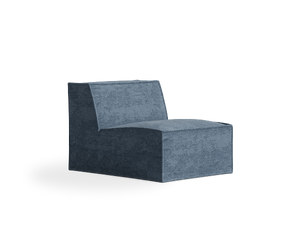
Your living room is a dynamic space that might need to change as your life evolves. This is where modular furniture comes in. The M1 Sofa Sectional from Rove Lab is a smart choice if you anticipate moving or rearranging your space frequently. Its modularity means you can easily reconfigure your seating arrangement to suit your viewing needs.
Whether you're hosting a game night or just want a cozy evening in, having flexible furniture can make a huge impact. It’s about having the option to adapt your space without a lot of hassle. Plus, modular pieces often work well in smaller spaces, making them ideal for urban living.
Wall Mounting: Pros and Cons
Mounting your TV on the wall can free up floor space and give your room a clean, streamlined look. It’s a great option for those who want a more minimalist aesthetic. But remember, it’s not without its challenges. You’ll need to ensure your wall can support the TV’s weight.
Mounting a TV also means dealing with cables. Concealing them can be a bit of a hassle but is crucial for maintaining that clean look. Cable raceways or in-wall cable management systems can work wonders here.
On the other hand, if you're a renter or just don't want the commitment of wall mounting, a sturdy TV stand is an excellent alternative. It can offer storage solutions and the flexibility to move your TV whenever you want.
Creating Zones in an Open Plan
If you live in an open-plan space, you might be wondering how to balance your TV placement with the rest of the room. One effective strategy is to create zones. Use furniture to delineate different areas within the same space.
For example, a sectional sofa can act as both a visual and physical divider between your living and dining areas. This not only gives structure to your open plan but also optimizes your TV viewing angles.
Remember, the goal is to make your living room functional as well as stylish. So, while you’re defining zones, keep an eye on traffic flow and accessibility. You want to ensure everyone can move around comfortably without disrupting the view.
Personal Touches: Make It Your Space
At the end of the day, your living room should feel like you. While all these tips can guide you, they are just that—guidelines. Feel free to adjust based on what works best for you and your family.
Maybe you prefer a cozy, intimate setting with lots of soft textiles and warm lighting. Or perhaps you lean towards a sleek, modern look with clean lines and minimal clutter. Whatever your style, let it shine through in your TV setup.
Consider adding personal touches like family photos or art around your TV to make it blend more seamlessly with your home decor. The goal is to create a space where you’re excited to spend time, whether you’re watching TV, reading a book, or spending time with loved ones.
Final Thoughts
Placing a TV in your living room is more than just finding a spot that fits—it’s about creating a harmonious space that reflects your lifestyle. From managing glare to optimizing sound, every element contributes to a better viewing experience. And if you’re looking for furniture that adapts to your changing needs, consider modular options like Rove Lab’s M1 Sofa Sectional. It’s all about making your space work for you, not the other way around.