![Rove Lab™ [Canada]](http://rovelab.ca/cdn/shop/files/ffd50d6b335e43f560dde12ee492d89e_5.svg?v=1792150825)




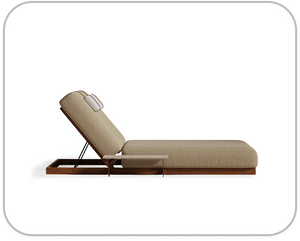
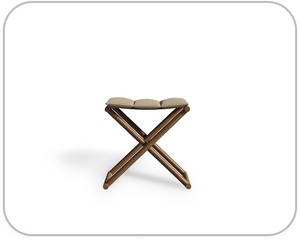

Interior design is not just about aesthetics; it's about creating a living space that truly feels like you. Whether you’re a young professional in a bustling city or a newlywed couple settling into your first home, how you set up your space speaks volumes. But where do you even begin? Let's break down the essential elements of planning your interior design, so you can transform your dwelling into a place that truly feels like home.
Start with a Vision
Before you buy anything, you need a vision for your space. Think of it as your home’s thesis statement. What kind of vibe do you want? Cozy and intimate, or sleek and modern? Perhaps a bit of both? It’s like picking out the perfect outfit for an occasion; you wouldn't wear a tuxedo to a beach party, would you?
Creating a mood board can be incredibly helpful. Use platforms like Pinterest or cut out images from magazines to gather inspiration. This process will help clarify your tastes and highlight patterns in your preferences. Are you noticing a lot of greenery or perhaps a penchant for mid-century modern furniture? These clues will guide your choices down the line.
Once you have a general theme or style picked out, it's time to consider how each room will serve that vision. Every space should communicate with the others to create a cohesive flow throughout your home. It’s like making sure everyone in your band is playing the same song, not just random solos.
Prioritize Your Needs
Functionality is paramount. What do you need each room to do for you? A home office that is more than just a cramped desk in your living room? A dining area that also doubles as a workspace? Identify the primary function of each space so you can prioritize your purchases accordingly. The key is to ensure that form follows function.
Consider your lifestyle. If you love hosting dinner parties, investing in a large dining table might be essential. On the other hand, if you frequently work from home, a comfortable, ergonomic office chair should be high on your list. Prioritizing needs ensures that your home works well for your daily life, rather than just looking good in photos.
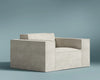
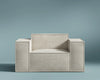
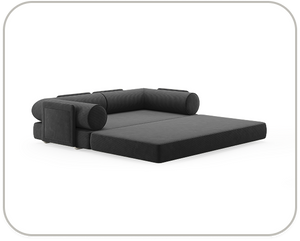
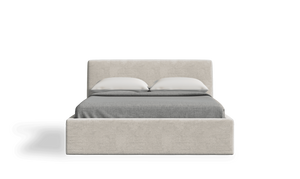
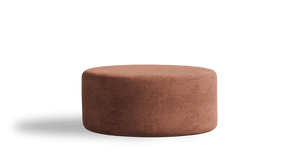
Don't forget about storage. In smaller spaces, storage solutions can make or break your design plans. Look for furniture that serves dual purposes, such as beds with built-in drawers or ottomans that open up for storage. This is where Rove Lab's M1 Ottoman Sofa Seat can be a game-changer with its smart use of space.
Plan Your Layout
Before you start moving furniture, plan your layout. Get out a tape measure and note down the dimensions of your rooms. This will prevent the classic mistake of buying furniture that doesn't fit. There's nothing more frustrating than falling in love with a sectional only to find it dominates your living room like a giant spaceship.
Use graph paper or a digital room planner to experiment with different arrangements. This is your chance to play with various configurations without breaking a sweat. Consider how people will move through the space—traffic flow is essential. Avoid creating obstacles that make it difficult to navigate your home.
Remember to leave some breathing room. Over-sized furniture in a small space can make it feel cramped, while tiny pieces in a large room can look lost. Getting the balance right is crucial for a harmonious look.
Choose Your Color Palette
Colors set the mood of a room. They can energize, calm, or even make a space feel larger or warmer. When selecting a color palette, consider both your personal preferences and the natural light in each room. A room with plenty of natural light can handle darker hues, while a dim space might benefit from lighter, brighter colors.
A classic rule is the 60-30-10 rule. Sixty percent of your room should be a dominant color, thirty percent a secondary color, and ten percent an accent color. This balance creates a cohesive look without overwhelming the senses.
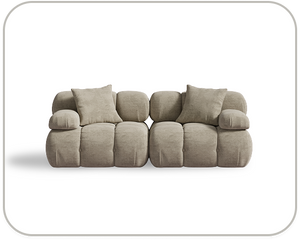
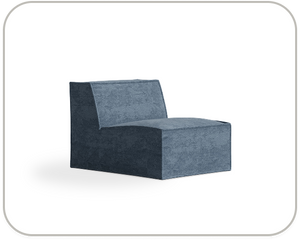
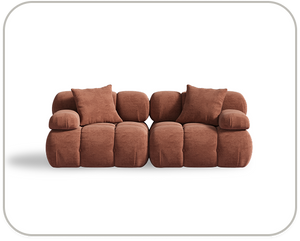
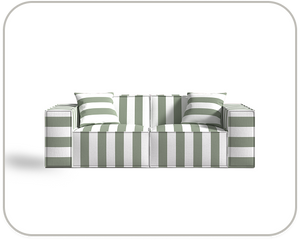
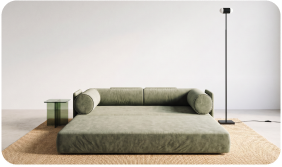
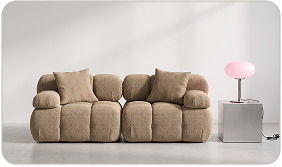
Don't overlook the impact of textures. A variety of textures can add depth to a monochromatic scheme and make a room feel more inviting. Think velvet cushions, a jute rug, or a chunky knit throw. Rove Lab's M1 Sofa Loveseat comes in performance weave, adding a tactile element that is both durable and stylish.
Invest in Quality Furniture
Furniture is a significant investment, so it's worth choosing wisely. Opt for quality pieces that will stand the test of time. This doesn't mean you have to break the bank, but it does mean looking for pieces that offer durability and style.
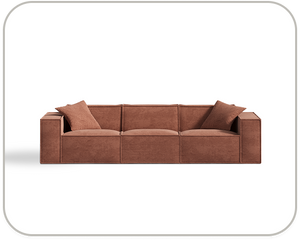
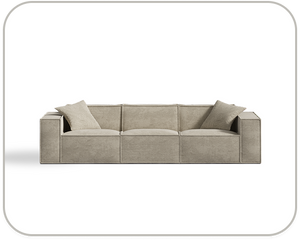
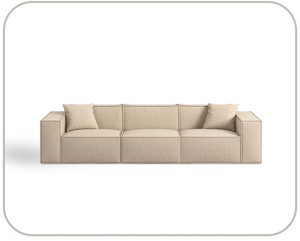
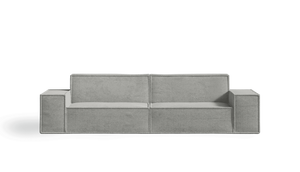
When selecting a sofa, for instance, consider the frame, fabric, and cushion filling. A solid wood frame is more durable than particleboard, and a high-quality fabric will withstand wear and tear better over time. Rove Lab's M1 Three Seater Sofa combines SmartFoam technology with stain-resistant fabric, ensuring it's both comfortable and practical.
Think about versatility. Can a piece be reconfigured or used in different ways? Modular furniture is an excellent choice for those who appreciate flexibility. It allows you to adapt your space as your needs evolve, which is particularly useful in smaller homes or for renters who move frequently.
Layer Your Lighting
Lighting is often an afterthought in interior design, but it shouldn't be. The right lighting can transform a space, adding warmth and ambiance. Think of it as your home's jewelry—it's the finishing touch that completes the look.
A well-lit room has multiple sources of light at different levels. Include overhead fixtures, floor lamps, and table lamps to create a layered effect. Dimmers are an excellent addition, allowing you to adjust the brightness to suit the mood or occasion.
Don't forget about natural light. Make the most of it by using sheer curtains that allow sunlight to filter through while still providing privacy. Mirrors can also help to reflect light and make a space feel larger and brighter.
Add Personal Touches
Your home should reflect your personality and interests, so don't be afraid to add personal touches. Display items that hold meaning to you, whether it’s a collection of travel souvenirs, family photographs, or a piece of art you adore.
Layering different elements adds depth and warmth. Mix old with new, high-end with low-end. Perhaps you've inherited a vintage rug that pairs perfectly with a modern coffee table. These juxtapositions make a space feel lived-in and authentic.
Plants are another great way to add life to a room. They bring a touch of nature indoors and can improve air quality. If you don't have a green thumb, start with easy-to-care-for varieties like succulents or snake plants.
Mix and Match Styles
Gone are the days when everything had to match perfectly. Mixing styles can create a more dynamic and interesting space. The trick is to find a common thread to tie everything together, whether it’s a color, a texture, or an era.
For example, you might pair a mid-century modern sofa with a bohemian rug, or an industrial coffee table with a farmhouse-style armchair. The result is a home that feels curated rather than generic.
Don't be afraid to experiment. Sometimes the most unexpected combinations work beautifully together. Let your personality shine through, and remember that rules are meant to be broken.
Re-evaluate and Evolve
Your home should evolve with you. As your needs and tastes change, don't be afraid to re-evaluate your decor and make adjustments. This might mean swapping out a piece of furniture, adding new artwork, or simply rearranging what's already there.
Take time to assess how each room feels and functions. Are there areas that aren't working as well as they could be? Are there items that no longer serve a purpose or bring you joy? Letting go of what doesn't work can create space for something new and exciting.
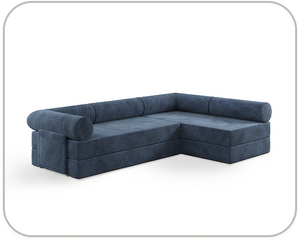
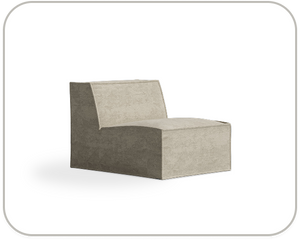
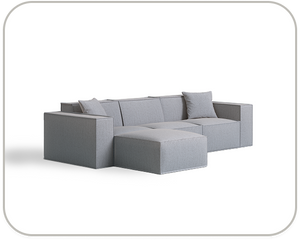
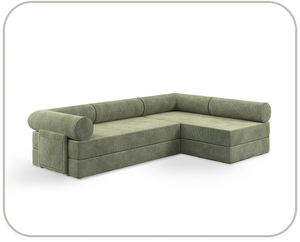
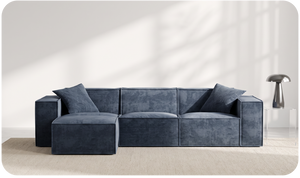
Remember, decorating is a journey, not a destination. Enjoy the process, and take pride in creating a home that is uniquely yours. For example, if you find yourself needing to change up your living room seating arrangement, consider Rove Lab's M1 Sofa Sectional. Its modular design allows you to reconfigure your space effortlessly, making it perfect for those who appreciate flexibility and style.
Final Thoughts
Designing your interior is a personal adventure that reflects who you are and how you live. It’s about creating a space that not only looks good but feels good. So take your time, trust your instincts, and don’t be afraid to experiment. And when you're ready for a piece that combines style, comfort, and flexibility, consider the M1 Sofa Sectional from Rove Lab. Its modular design and durable materials make it a smart choice for any evolving home.