![Rove Lab™ [Canada]](http://rovelab.ca/cdn/shop/files/rovelab_logo.svg?v=1781628572)



Finding the perfect spot for a large rug in a spacious living room can be as satisfying as placing the last piece of a puzzle. You’re not just looking for a place to drop it; you’re crafting a symphony of design, color, and comfort. A well-placed rug unifies the room, adds warmth, and defines areas without the need for walls. Let’s unravel the mystery of large rug placement in big living rooms, ensuring your space feels cohesive and inviting.
Choosing the Right Rug Size
First things first: size. It sounds straightforward, but ensuring your rug is the right size is crucial. Too small, and it looks like an afterthought. Too large, and it overwhelms the room. Ideally, you want a rug that extends beyond your furniture, creating a border that frames your lounging area. A good rule of thumb? Aim for at least 8 to 12 inches of visible flooring around the rug’s edges.
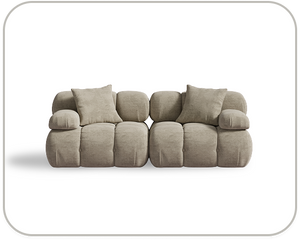
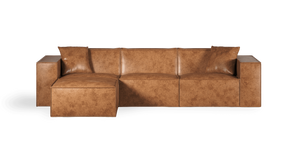
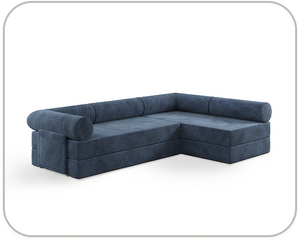
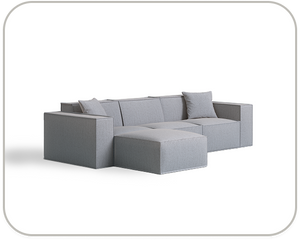
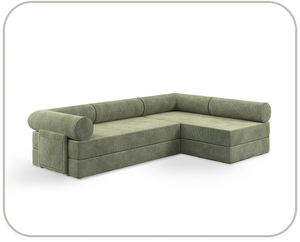
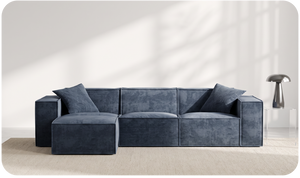
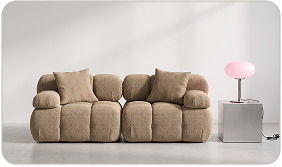
Consider your furniture arrangement. For instance, if you have a sectional sofa like the M1 Sofa Sectional from Rove Lab, you'll want the rug to comfortably slip under the front legs of the sectional. This anchors the furniture while providing a cozy underfoot experience, which is especially nice for bare feet on chilly mornings.
If you're working with an open-concept space, using a large rug can help delineate different zones. Whether it's a reading nook or a conversation area, the rug acts as a visual separator, ensuring each section of your room feels purposeful.
Aligning with Room Shape
The shape of your room plays a significant role in how you place your rug. Rectangular rooms often benefit from rectangular rugs, aligning with the natural flow of the room. However, if your space is more square, a large square or round rug can add a playful touch.
In rectangular rooms, position the rug lengthwise to guide the eye through the space. This approach can enhance the room’s proportions and make it feel balanced. If your room is square, centering a round rug can soften angular lines and add interest.
Sometimes, the room might have an odd corner or alcove. In such cases, consider layering rugs. A smaller, complementary rug can highlight an awkward corner, making it an intentional part of your design rather than an overlooked space.
Balancing Colors and Patterns
The color and pattern of your rug should harmonize with your room’s existing decor. If your furniture or walls are bold, opt for a more subdued rug to avoid visual clutter. Conversely, a neutral room can benefit from a rug that adds a pop of color or a striking pattern.
Think about the mood you want to create. Warm tones like reds and oranges can make a large space feel cozy, while cool blues and greens bring a sense of calm and openness. Patterns, too, have their role. A geometric print can add a modern edge, while traditional motifs bring a sense of timelessness.
Don't forget about texture. A shaggy rug offers plush comfort, perfect for lounging, while a flat-weave or low-pile rug provides a sleeker, crisper look. Mixing textures can add depth to your room, making it feel richer and more layered.
Positioning Under Furniture
One of the most critical aspects of rug placement is how it interacts with your furniture. Ideally, your rug should anchor the main pieces in your room. For example, ensure the front legs of your sofa or chairs rest on the rug. This creates a unified look and prevents furniture from appearing to float in space.
For dining areas, a good rule is to ensure the rug extends at least 24 inches beyond the table on all sides. This allows guests to pull their chairs out without the legs catching on the rug's edge. In living spaces, you might consider placing the entire furniture arrangement on the rug, which can make the space feel more cohesive.
If you have a coffee table, center it on the rug, making sure there's ample space around for traffic flow. A well-positioned rug can enhance the sense of flow in your room, guiding movement and creating an inviting atmosphere.
Layering Rugs for Depth
Layering rugs can add depth and interest to a room. Start with a large, neutral base rug and layer a smaller, more colorful, or patterned rug on top. This technique works wonders in large living areas, adding texture and visual intrigue.
Layering is also a practical way to experiment with patterns and colors without full commitment. You can easily swap out the top layer for a seasonal refresh or to match your mood. This approach also allows you to use smaller, perhaps more expensive, rugs that might be out of budget if purchased in a larger size.
When layering, ensure the rug edges are either aligned or intentionally offset. This creates a deliberate look that appears curated rather than haphazard. The goal is to create a sense of depth and dimension, enhancing the overall design of your space.
Considering Traffic Flow
Think about how people move through your living room. The rug should support this natural flow, guiding movement rather than obstructing it. In high-traffic areas, a durable rug is essential. Look for materials that can withstand wear and tear, such as wool or synthetic blends.
If your living room connects to other rooms or hallways, ensure the rug doesn't block these pathways. Instead, use it to help guide the flow, perhaps orienting it in the direction of main thoroughfares. This approach makes the space feel cohesive and navigable.
Don't forget about door clearance. Make sure doors can open and close freely over the rug. If you have a tight space, consider a thinner rug or a rug pad to prevent slipping without adding bulk.
Creating a Focal Point
A large rug can serve as a stunning focal point in your living room. Use it to draw attention to a particular area, such as a seating arrangement or a fireplace. The rug's color, pattern, and placement should complement this focal point, enhancing its appeal.
If you have an element like an impressive coffee table or a piece of art, use the rug to anchor it. Position the rug in a way that frames the focal point, adding emphasis and creating a sense of balance in the room.
Remember, the rug doesn't need to steal the show. It should support the overall design, enhancing other elements rather than overpowering them. That said, a bold rug can make a statement if that’s the direction you choose to go.
Working with Different Furniture Styles
Your rug should complement not only the room's color scheme but also the style of your furniture. If your pieces are modern and minimalist, a simple, geometric rug can tie the room together. For more traditional or eclectic spaces, consider a rug with ornate patterns or classic motifs.
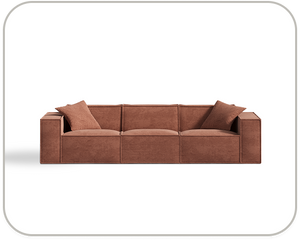
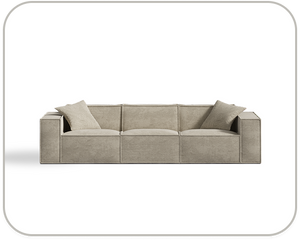
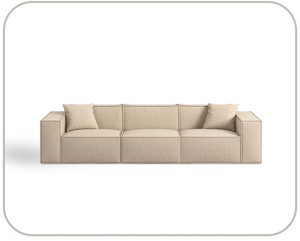
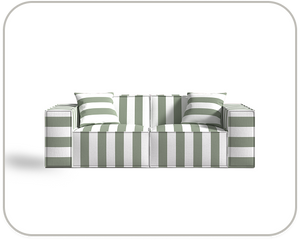
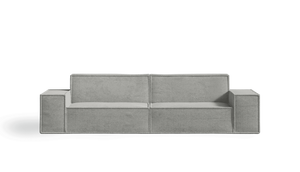
Mixing styles can be effective too. A bohemian rug with a mid-century modern sofa can create an interesting contrast that feels intentional and curated. The M1 Three Seater Sofa from Rove Lab, with its minimalist design, pairs beautifully with a variety of rug styles, offering flexibility in your design choices.
Ultimately, the goal is to create harmony. The rug should enhance the furniture, and vice versa, creating a balanced and cohesive look. Don’t be afraid to experiment until you find the perfect match.
Maintaining Your Rug
Once you've found the perfect spot for your rug, keeping it in good condition is essential. Regular vacuuming prevents dirt buildup and keeps fibers fresh. Rotate the rug every few months to ensure even wear, especially in high-traffic areas.
For spills, act quickly. The sooner you address them, the less likely they are to become permanent stains. Blot, don’t rub, to absorb the spill without spreading it. A good rug pad can also help, preventing slipping and adding a layer of protection between the rug and the floor.
Finally, consider professional cleaning once a year to maintain the rug’s freshness and vibrancy. This step is particularly important for natural fibers like wool, which can retain dirt and odors over time. Proper maintenance ensures your rug remains a beautiful part of your living room for years to come.
Final Thoughts
Positioning a large rug in a grand living room is not just about aesthetics; it's about crafting a harmonious environment where design meets function. Whether you're anchoring a sectional sofa or highlighting a coffee table, the right rug placement can transform your space into a cohesive and inviting haven. For those seeking a versatile seating option, the M1 Sofa Sectional from Rove Lab offers modular flexibility, ensuring your living room beautifully adapts to your lifestyle.