![Rove Lab™ [Canada]](http://rovelab.ca/cdn/shop/files/ffd50d6b335e43f560dde12ee492d89e_5.svg?v=1792150825)


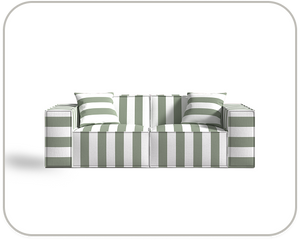

Positioning a rug in a living room might seem simple, but it's a play of balance and aesthetics. The right rug placement can anchor your furniture, define spaces, and inject personality into the room. But where to start? This article will guide you through essential tips and ideas, transforming your space into a cohesive and welcoming living room.
Size Matters: Choosing the Right Rug Dimensions
Before you even think about where to place your rug, consider its size. A rug that's too small can throw off the entire room, making it feel disjointed. Conversely, an oversized rug might overwhelm the space. The sweet spot? Ensuring the rug fits under all your key furniture pieces.
- For Smaller Living Rooms: A rug that allows the front legs of your furniture to rest on it helps tie the room together without overwhelming the space.
- Large Spaces: Opt for a rug that accommodates all furniture legs. This approach creates a cohesive look, making larger rooms feel more intimate.
- Open-Concept Layouts: Use a larger rug to define the living area from the rest of the zone.
Remember, it's not just about fitting the rug into the room; it's about harmonizing the rug with your living space. A well-proportioned rug sets the stage for everything else in the room.
Center Stage: Making Your Rug the Focal Point
Once you've nailed down the size, consider how the rug integrates into the room's overall design. A rug can be more than a functional item—it can be a dramatic focal point.
- Bold Patterns: If your living room features neutral tones, a vibrant, patterned rug can inject energy and become the room's centerpiece.
- Neutral Palettes: In a room with bold furniture or decor, a neutral rug can ground the space without overpowering other elements.
- Textural Play: A textured rug can add depth and warmth, perfect for minimalist spaces needing a touch of coziness.
Think of your rug as a painting on your floor. It should either stand out in contrast or blend seamlessly with the room's decor, depending on the vibe you want to create.
Layering Rugs: A Trend Worth Trying
Layering rugs is an artful way to add dimension and interest to your living space. It's not just for the boho-chic crowd; it can work in any home style with the right approach.
- Start with a Base: Use a large, neutral rug as your foundation. This base rug should be durable and easy to clean, especially if it covers a high-traffic area.
- Add a Smaller Top Rug: Choose a patterned or textured rug to layer on top. This secondary rug doesn't have to be centered. Experiment with angles and off-center placement for a dynamic look.
- Play with Shapes: Combine different shapes (like a round rug over a rectangular one) to break monotony and add visual intrigue.
Layering rugs allows you to easily change the room's mood. Swap out the top layer with the seasons or as your style evolves, keeping the space fresh and exciting.
Defining Zones in Open-Concept Layouts
One of the biggest challenges of open-concept living is distinguishing different areas without walls. This is where rugs become your best friends, acting as visual boundaries that define spaces without interrupting flow.
- Living and Dining Distinction: Use different rugs to separate the living area from the dining space. Ensure they complement each other in style and color to maintain cohesion.
- Reading Nook: Create a cozy corner by placing a small rug under a chair and side table. This small touch carves out a dedicated relaxation spot.
- Entryway Definition: In larger rooms, a rug near the entrance can signal a transition from the outside world to your private haven.
By defining spaces with rugs, you create distinct zones while maintaining the openness and flow that makes open-concept living so appealing.
Considering Furniture Arrangement
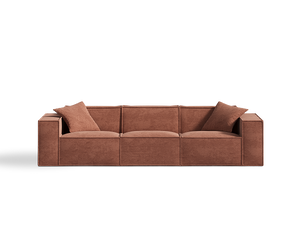
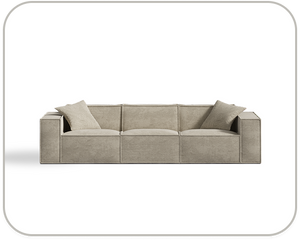
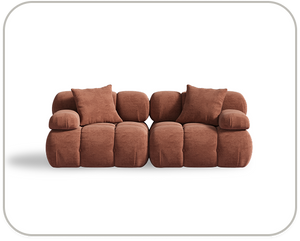
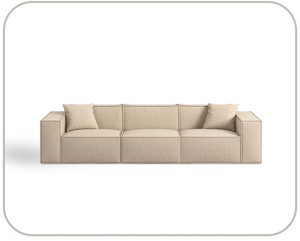
Furniture arrangement often dictates rug placement, but the inverse can also be true. Whether you're working with a sectional, a three-seater, or a loveseat, the rug can unify the furniture layout.
- Under the Coffee Table: This classic placement anchors the seating area. All primary furniture pieces should at least have their front legs on the rug.
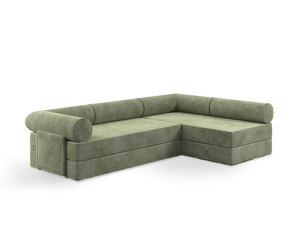
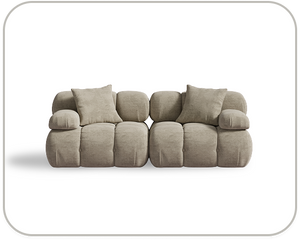
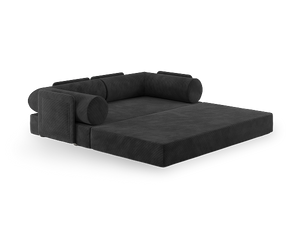
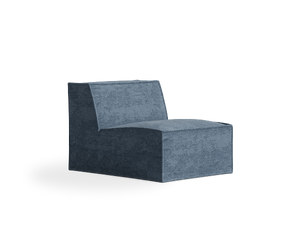
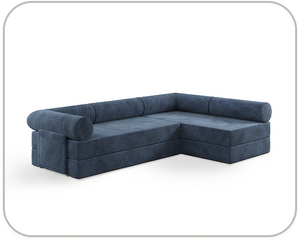
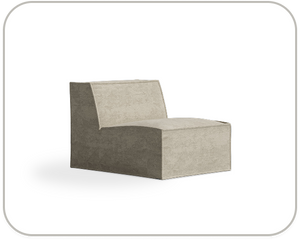
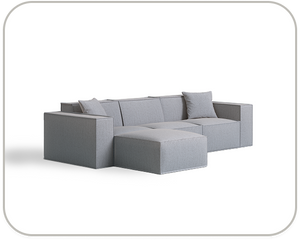
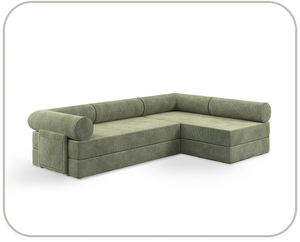
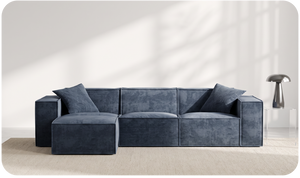
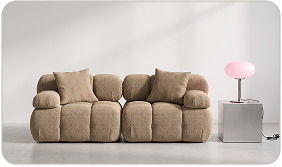
- Floating Layout: For a more modern arrangement, consider placing the rug in the center with furniture around it. This can work well with modular seating like the M1 Sectional Sofa from Rove Lab, allowing for easy reconfiguration.
- Off-Center: If your room is asymmetrical, an off-center rug can balance visual weight and add interest.
Your rug doesn't just sit on the floor; it interacts with every piece of furniture around it, shaping the room's flow and function.
Choosing the Right Material
Your rug's material is just as important as its size and color. It affects not only the look and feel but also durability and maintenance requirements.
- High-Traffic Areas: Opt for durable materials like wool or synthetic blends that can withstand wear and tear.
- Comfort Zones: In areas where you'll often be barefoot, consider plush materials like shag or a soft wool blend.
- Pet-Friendly Options: If you have pets, look for stain-resistant and easy-to-clean rugs.
Choosing the right material ensures your rug not only looks great but also lasts, maintaining its beauty and function over time.
Rug Placement on Different Floor Types
The type of flooring can influence a rug's look and function in your living room. Whether you have hardwood, tile, or carpet, each surface interacts differently with a rug.
- Hardwood Floors: Rugs can add warmth and protect the floor from scratches. Use a rug pad to prevent slipping and add cushion.
- Tile Flooring: A rug can soften the hard surface and provide comfort underfoot. Consider textures that contrast with the coolness of the tiles.
- Carpeted Floors: Choose rugs that complement the existing carpet in color and texture. A thinner rug works best to avoid bulkiness.
The interplay between your rug and flooring type can enhance comfort and aesthetics, contributing to the overall ambiance of your living space.
Maintenance: Keeping Your Rug Fresh
Once you've perfectly placed your rug, keeping it fresh and clean is crucial. Regular maintenance ensures longevity and keeps your room looking its best.
- Regular Vacuuming: This prevents dirt and dust from settling into the fibers, maintaining the rug's appearance and hygiene.
- Spot Cleaning: Address spills immediately to prevent stains. Use a clean cloth and a mild detergent for most materials.
- Professional Cleaning: Depending on the material, consider professional cleaning once a year to deep clean and refresh the rug.
With proper care, your rug will continue to enhance your living space, looking as good as the day you laid it down.
Final Thoughts
Positioning a rug in your living room can transform the space, offering warmth, style, and definition. Whether you use it to define open areas or simply add a pop of color, the right rug placement is about balance. And remember, when arranging your room, the M1 Sectional Sofa from Rove Lab pairs beautifully with any rug, thanks to its modularity and sleek design, making it a prime choice for those looking to refresh their living space. Happy decorating!